REVIEW · MILAN
3 Italian sparkling wines and how to distinguish them: Prosecco, Franciacorta..
Book on Viator →Operated by Milano Wine Affair · Bookable on Viator
Three methods, one clear lesson.
In Milan, this 2-hour tasting helps you spot the difference between the ancestral style, the Martinotti/Charmat-style bubbles (think Prosecco), and the traditional classic-method fizz (think Franciacorta). I love how you learn practical tasting terms like dosage and perlage while you compare the wines side by side, and I also like that the host connects technique to what you actually taste and what that means for quality and price. The only real consideration: you’re sampling three styles in a short time, so it moves fast if you like slow, long wine-study sessions.
I also like the human scale here. The host, Cornelia, comes across as passionate but down to earth, and the setup works for solo travelers or a small group. You meet at Piazza Fontana at 5:00 pm, tour in English, and end back at the start, with a chance to enjoy a view of Milan along the way.
In This Review
- Key things to look forward to
- Why This Sparkling-Wine Tour Is the Fastest Way to Get Better at Bubbles
- Piazza Fontana at 5:00 pm: The Part That Sets the Tone
- The Ancestral Style Pour: Learning the Old-School Bubble Feel
- Prosecco and the Martinotti/Charmat Method: Why the Bubbles Feel This Way
- Franciacorta and the Classic Method: Where Time and Technique Show Up
- Dosage, Perlage, and the Words That Make You a Smarter Buyer
- How Methods Affect Quality and Price (Without the Snob Stuff)
- Who This Tour Fits Best in Milan
- Price and Value: Is $112.38 per Person Worth It?
- Should You Book This Sparkling Wine Tour?
- FAQ
- FAQ
- Where does the tour start and end?
- How long is the experience?
- What time does it start?
- Is the tour offered in English?
- What will we taste during the tour?
- Is this a private tour?
- What are the age rules for alcohol?
- Does the tour include a mobile ticket?
- Is it easy to get to public transportation-wise?
- Can I cancel and get a refund?
- Should I book if I’m a beginner?
Key things to look forward to

- Meet Cornelia and get a guided tasting you can ask questions in
- Learn the words that unlock what you taste: dosage, perlage, Charmat, classic method
- Compare three sparkling styles so your next shop stop feels easier
- Taste Prosecco and Franciacorta in context, not as random bottles
- Understand why methods can change both quality and price
- See Milan from a pleasant vantage point during the session
Why This Sparkling-Wine Tour Is the Fastest Way to Get Better at Bubbles
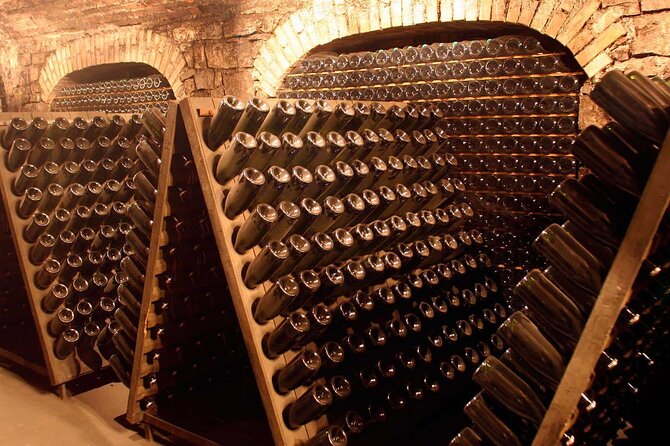
If you’ve ever stood in a shop thinking, I like bubbles, but what am I actually buying—this is built for that moment. Instead of turning sparkling wine into a history lecture, the experience focuses on cause and effect: how the production method shapes the feel of the bubble, the balance of sweetness, and the overall style in your glass.
What makes it click is the structure. You’re not just tasting three wines. You’re learning the language that helps you distinguish them—so you can repeat the skill later. Even if you’re new, the pace is friendly, and Cornelia makes room for beginner questions. In a short 2-hour window, that’s a rare mix of learning and enjoyment.
Still, don’t book expecting a slow stroll with drinks at every corner. This is a concentrated tasting lesson, so come with curiosity and a willingness to compare quickly.
You can also read our reviews of more wine tours in Milan

Piazza Fontana at 5:00 pm: The Part That Sets the Tone
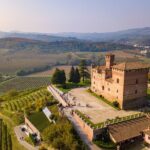
You start at Piazza Fontana (20122 Milano), and the tour ends back at the meeting point. Starting at 5:00 pm is smart. It’s late enough that you’ll have a more relaxed evening mood, and it’s early enough that the two-hour session doesn’t eat your whole night.
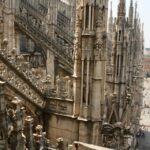
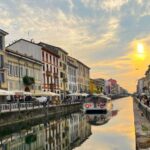
One of the practical wins: the tour is offered in English, and it’s private for your group. That matters because sparkling wine lessons work better when you can ask a question without waiting. Reviews also point to a lovely view from where the group gathers, so you’re not stuck in a sterile tasting room vibe the whole time.
Add in a mobile ticket and that it’s near public transportation, and you can usually slot it in without turning your day into a logistics puzzle. If you’re doing your first evening in Milan, this is also an easy way to get oriented—mentally and with your palate.
The Ancestral Style Pour: Learning the Old-School Bubble Feel
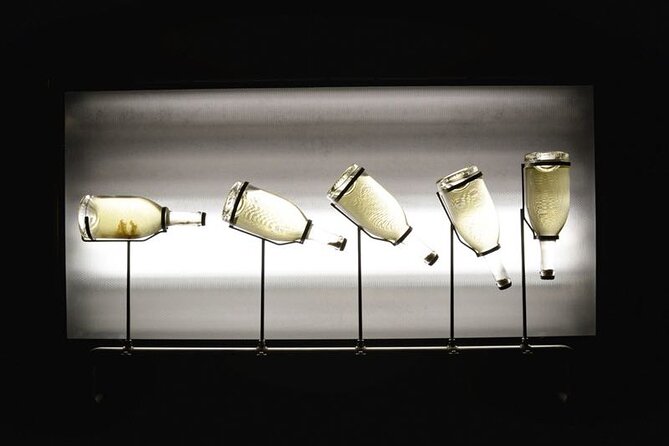
One of the three methods in the program is the ancestral style. Even without getting lost in winemaking theory, you’ll learn how to tell this style apart by taste and texture, not just by name on the label.
Here’s what to pay attention to as you listen and taste:
- Perlage character: How fine or lively the bubbles feel, and how long that fizz seems to hold.
- Overall balance: Whether the wine reads more fresh, more rustic, or more straightforward on first sip.
- How it finishes: Sparkling wines can change a lot from first sip to the final impression, and the method often shows up there.
This part is valuable because it trains your senses to notice what’s different when the winemaking path changes. Many people treat sparkling wine as one category. This tour makes you treat it like three separate styles with different goals.
Potential drawback here: if you already have strong opinions about one type of sparkling wine, the ancestral style might feel unfamiliar. That’s not a problem—just a heads-up that this lesson asks you to stay open-minded for the full set.
Prosecco and the Martinotti/Charmat Method: Why the Bubbles Feel This Way
Now you get to Prosecco, which is tied to the Martinotti/Charmat method in the tour’s framework. This is where a lot of people finally connect the dots between method and mood: why one sparkling wine feels more fruit-forward or lighter in its overall impression, while another feels more structured.
As the host walks you through terms like Charmat method and the tasting basics, the key is learning to spot:
- Freshness cues: Often, Charmat-style bottles are perceived as lively and more immediate.
- Bubble sensation: You’ll learn how bubble size and texture impact what the wine feels like in your mouth.
- Balance and adjustment terms: This is where dosage comes into the conversation—how sweetness or balance is used to shape the final taste.
What I like about including Prosecco specifically is that it’s the most approachable doorway into Italian sparkling. Once you know what to look for, you stop buying Prosecco by default and start buying it with intention.
Franciacorta and the Classic Method: Where Time and Technique Show Up
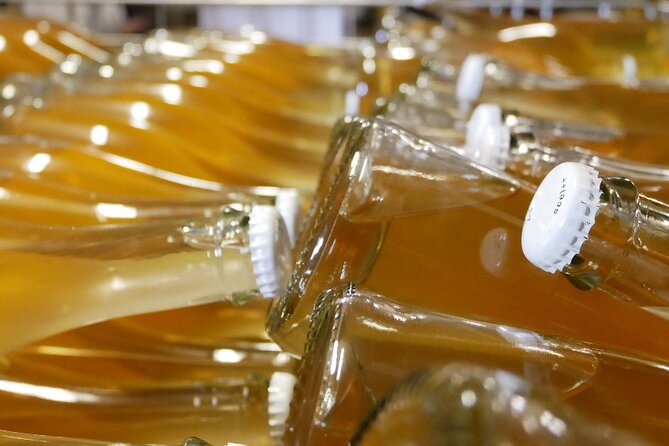
The third big anchor is Franciacorta, which represents the traditional (classic) method side of the tasting. This is the part where sparkling starts to feel more like a structured wine, not just a celebratory drink.
In the classic-method segment, the host’s focus on the classic method, plus the sensory vocabulary (like perlage), helps you understand why some bubbles taste more complex and why the finish can feel longer or more layered.
When you taste, try to separate these effects:
- Texture over time: How the wine evolves after the first sip.
- Bubble detail: How fine or persistent the bubbles feel.
- The role of balance: How terms like dosage show up as sweetness or restraint, not just as a technical label.
Franciacorta is a great choice for a lesson like this because it gives you a high-quality benchmark. Even if you’re not planning to become a collector, tasting it alongside other styles helps you understand what you’re paying for when the method demands more effort.


Dosage, Perlage, and the Words That Make You a Smarter Buyer
A big reason this tour earns strong marks is how it turns wine jargon into usable tools. The program explicitly covers key terms like dosage, perlage, the Charmat method, and the classic method.
Here’s how you can translate those terms into something practical for yourself:
Dosage
Think of it as balance. After certain stages in sparkling production, a small amount of sweetness can be added to shape the final taste. When you taste, don’t just look for sugar. Instead, notice how the wine feels calmer or more assertive, and how the sweetness changes your perception of fruit and acidity.
Perlage
This is the bubble story: the size, feel, and persistence of the bubbles. Two wines can look similar in a glass, but if the perlage is different, your palate reads it differently. Once you learn this word, you start tasting like you have a checklist.
Charmat method vs classic method
These are not just fancy names. They’re the reason the wine lands with a certain texture and flavor profile. Even if you don’t remember every detail later, you’ll remember the sensory outcome.
And yes, you’ll likely leave with more confidence at wine shops. That’s where value shows up. You’re not just paying for drinks. You’re buying the ability to choose better without second-guessing.
How Methods Affect Quality and Price (Without the Snob Stuff)
One of the most useful parts of the experience is the explanation of how production techniques affect quality and price. The simplest truth: different methods require different amounts of time, labor, and handling. That cost isn’t just marketing. It tends to show up in how the wine tastes.
Here’s the balanced way to look at it:
- If you want fresh and approachable sparkling, you’ll often find that in methods like Charmat-style production.
- If you want more texture and complexity, classic-method bottles often deliver that, because the process takes longer and creates more time for development.
- If you like the quirky or rustic side of sparkling, ancestral-style bottles can feel distinct, even if they’re not the most uniform-sounding category on a menu.
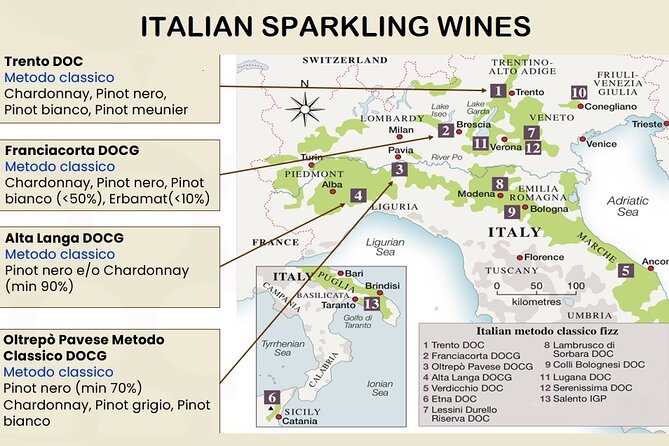
The tour also nudges you toward “lesser-known but equally fascinating territories.” Even if you stay focused on Prosecco and Franciacorta, this opens your mind to what else exists beyond the big names.
Who This Tour Fits Best in Milan
This experience is a solid fit for:
- Solo travelers who want a social moment but still feel comfortable asking beginner questions.
- Couples looking for something more fun than a standard museum-and-dinner loop.
- People who love Prosecco but are tired of only comparing brands, not methods.
- Sparkling wine beginners who want a clean starting point with terms you can remember.
It’s also a good “first night in Milan” activity. Starting at 5:00 pm means it can be a gentle entry into the city. Reviews mention it was a strong first event after arrival, which makes sense: you’ll leave with both local context and a sense of how to taste more intelligently.
If you’re an advanced wine nerd, you might still enjoy it because it’s designed for clarity and comparison. Just know it’s a short format, so it won’t be a full technical seminar.
Price and Value: Is $112.38 per Person Worth It?
At $112.38 per person for about 2 hours, you’re paying for more than three pours. You’re paying for guided structure, a private-group setup, and an English-speaking host who teaches you the terms and the method differences that make sparkling wine easier to understand.
Here’s how I judge value for this kind of experience:
- Do you leave with repeatable skills? You do—especially around dosage and perlage and recognizing the Charmat vs classic method differences.
- Do you get more than passive tasting? Yes. The tour explains why techniques affect taste and price.
- Is it comfortable for beginners? Reviews highlight that beginner questions are welcome and the teaching stays down to earth.
If your goal is simply to drink as much as possible, there are cheaper ways to do that in Milan. But if your goal is to become a better sparkling buyer and enjoy the ride while doing it, this feels like a fair trade for the time and instruction.
Should You Book This Sparkling Wine Tour?
Book it if you want a fast, friendly crash course in Italian sparkling wines, with real comparisons and a guide who helps you learn the language behind what you taste. It’s especially worth it if you already like Prosecco but want to understand what makes other Italian bubbles different, or if you want a clear explanation of why classic-method wines often cost more.
Skip it if you hate tasting environments that move quickly, or if you’re only looking for a general nightlife activity. This is a tasting lesson, so your enjoyment will track your interest in learning.
FAQ
FAQ
Where does the tour start and end?
The tour starts at Piazza Fontana, 20122 Milano MI, Italy, and it ends back at the meeting point.
How long is the experience?
It runs for about 2 hours.
What time does it start?
The start time is 5:00 pm.
Is the tour offered in English?
Yes, it is offered in English.
What will we taste during the tour?
You’ll taste three Italian sparkling wines that represent different production methods, including Prosecco and Franciacorta.
Is this a private tour?
Yes. It’s private for your group only.
What are the age rules for alcohol?
In Italy the legal drinking age is 18. Customers who haven’t reached legal drinking age will not be served alcoholic beverages.
Does the tour include a mobile ticket?
Yes, you’ll have a mobile ticket.
Is it easy to get to public transportation-wise?
It is near public transportation.
Can I cancel and get a refund?
Yes. You can cancel for a full refund if you cancel at least 24 hours before the experience’s start time, and cancellation is free.
Should I book if I’m a beginner?
The experience is set up so you can ask beginner-level questions, and it explains tasting terms like dosage and perlage so you can follow along.