REVIEW · MILAN
Milan: Entrance Ticket to La Scala Theatre Museum
Book on GetYourGuide →Operated by Vivaticket SPA Teatro Alla Scala · Bookable on GetYourGuide
Opera history is waiting inside Milan’s most famous stage. With a ticket to the La Scala Theatre Museum, you get more than posters in a hallway—you walk through the story of La Scala, from early days to legendary performances, and you can often catch an eye-level look into the auditorium area.
I especially like two things: the costumes, set designs, and instruments that make famous productions feel tangible, and the chance to see the theatre interior rather than only reading about it. Even if you’re not in an opera at the time, the museum still connects you to what happens in this room when the lights go down.
One possible drawback: what you can view inside the theatre can vary. If there’s activity like a rehearsal, you may not get full access to every area, and in some cases the main view is limited to higher seating.
In This Review
- Key highlights you’ll care about
- Why La Scala’s Theatre Museum Ticket Works
- Getting There: Easy Location Near Duomo and the Galleria
- Timed Entry: Skip the Ticket Line, Then Use Your Time Wisely
- Bags, Cloakroom, and the One Rule That Can Slow You Down
- Inside the Theatre: What You Can See (and Why Timing Matters)
- The Museum Displays: Costumes, Sets, Instruments, and Portraits
- The Stories Behind La Scala: Early Years and Memorable Performances
- Videos and Media: A Smart Way to Picture Opera On Stage
- Audioguide in 7 Languages: How to Get More Out of Each Room
- Accessibility and Stroller-Friendly Layout
- Price and Value: Is $17 a Good Deal for La Scala?
- Who Should Book This (and Who Might Want More)
- A Local Touch: The Name to Know
- Booking Decision: Should You Get This Ticket?
- FAQ
- FAQ
- How long is the La Scala Theatre Museum ticket valid?
- How much does the ticket cost?
- Does this ticket include skip-the-line entry?
- Is there an audioguide included, and how many languages?
- What can I see inside?
- Are there restrictions on bags or luggage?
- Is the museum wheelchair accessible?
- Can I cancel for a refund?
- What should I check for best theatre visibility?
Key highlights you’ll care about
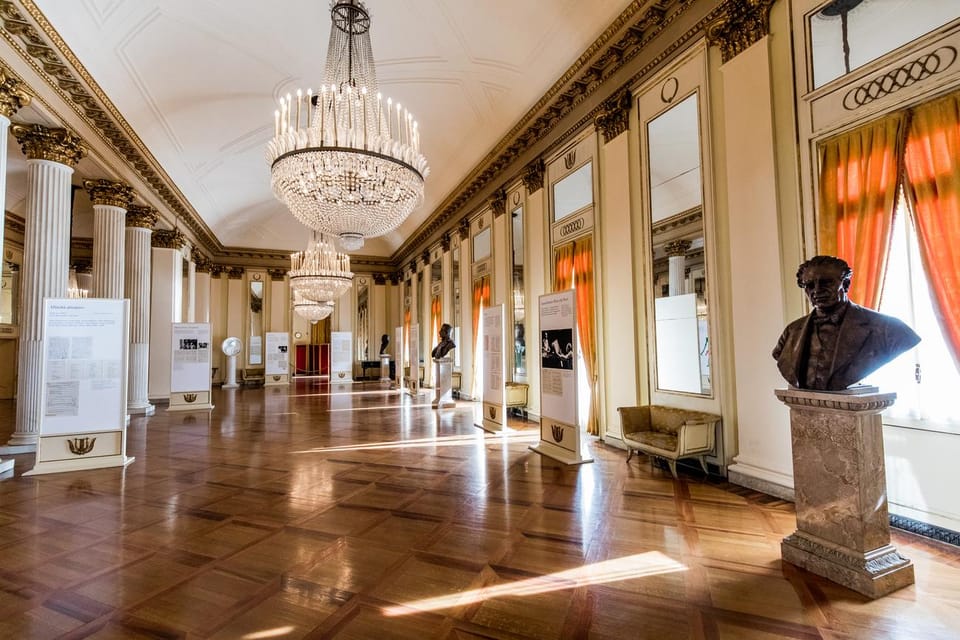
- The theatre itself is part of the ticket, not just a museum room
- Costumes, sets, instruments, and portraits connect performances to real objects
- 7-language app audioguide helps you move fast and understand what you’re seeing
- Rehearsals can affect visibility, so your theatre view may be less than perfect
- You’re steps from Duomo and Galleria Vittorio Emanuele II, so it fits neatly into a classic Milan walk
Why La Scala’s Theatre Museum Ticket Works
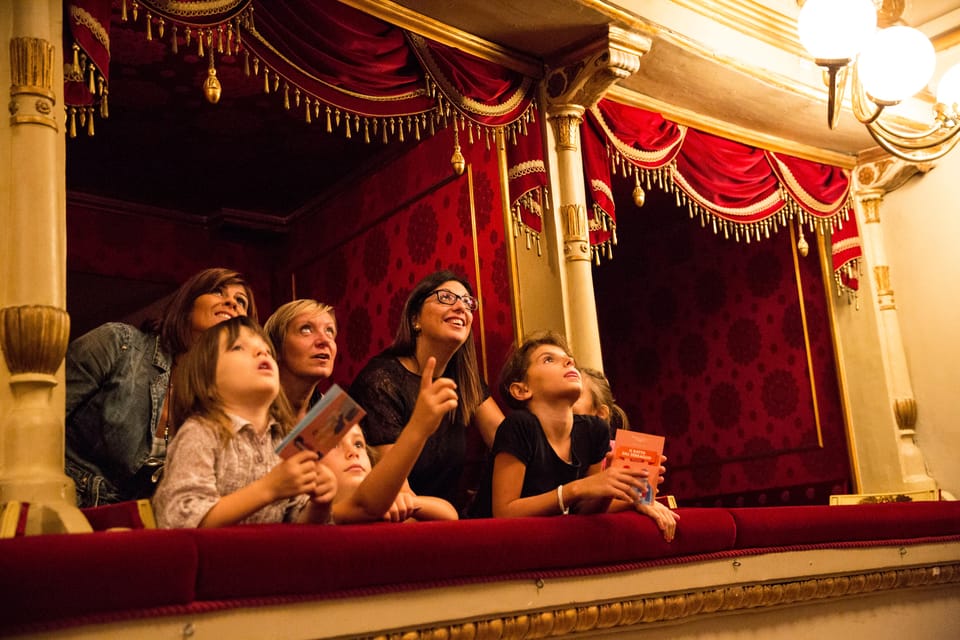
This ticket feels like a smart compromise. You’re in Milan either way, and even on days without performances, La Scala still has a strong “show” component—because the museum is built around what the stage looks like and what productions used to require.
The value comes from the mix. You’re not only looking at history in frames; you’re seeing how opera was staged—through costumes, set pieces, and instruments—then grounding it with theatre views and portraits of major musicians.
You can also read our reviews of more tours and experiences in Milan


Getting There: Easy Location Near Duomo and the Galleria
La Scala is in central Milan, and the museum experience is conveniently close to two major landmarks: the Cathedral area (Duomo) and Vittorio Emanuele Gallery. That means you can plan this as a “bookend” activity around your sightseeing, without adding long transit time.
In practice, this is useful if you like walking cities in short bursts. Do Duomo and a bit of gallery time, then head to La Scala while you’re already in the center.
Timed Entry: Skip the Ticket Line, Then Use Your Time Wisely
Your ticket includes skip-the-ticket-line entry, and the experience is valid for 1 day (you’ll check availability to see your starting time). Timed entry matters here because it helps the staff manage the flow into the theatre and museum spaces.
Plan to arrive a little early. Not because you need to rush, but because you’ll likely want a minute to settle in, download the audioguide, and understand where you’re headed next.
Bags, Cloakroom, and the One Rule That Can Slow You Down
There’s an important restriction: no luggage or large bags. Instead, large bags and backpacks must be checked into the cloakroom.
This is the part where people often lose time. If you’re carrying a bigger daypack (or anything bulky), it’s worth adjusting your packing so you can move smoothly through the entrance process.
Inside the Theatre: What You Can See (and Why Timing Matters)
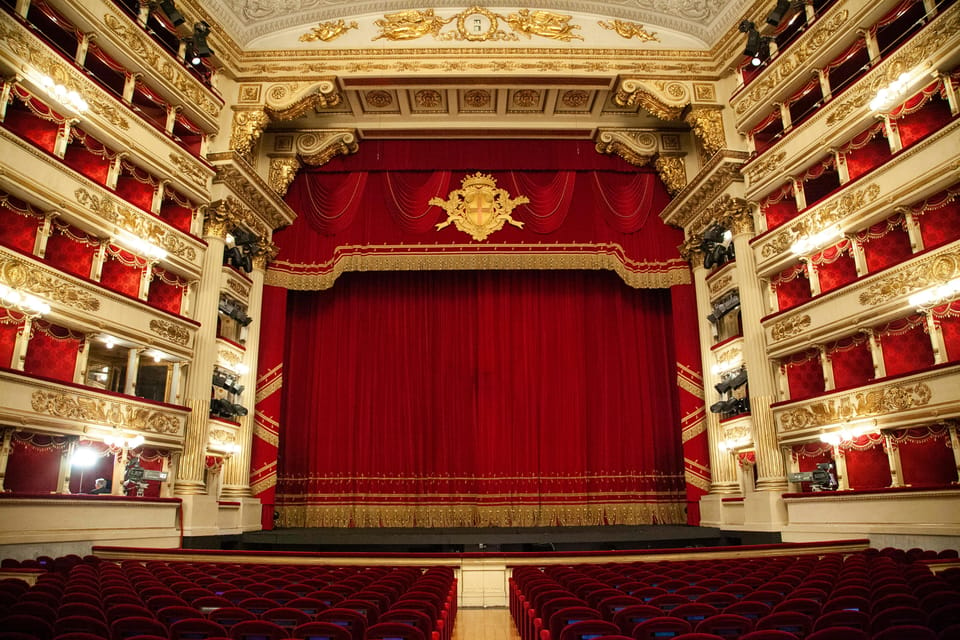
The big draw is that you’re not just touring a museum—you’re also getting access to the theatre atmosphere. Expect to admire the interior and, depending on conditions, you may get a view of the auditorium area from seating points near boxes.
A key detail: check whether the theatre lights are on for the best visibility. There’s an official visibility guide on the museum site (the theatre lighting affects how clearly you can see from the visitor areas), so it’s worth checking before you pick your time.
Also, rehearsals can play a role. Some visitors have reported getting to watch rehearsal activities, while others found their view to the main area limited during rehearsal—especially if they couldn’t access the same spots they expected. Bottom line: your theatre viewing experience is a bit “schedule-dependent.”
You can also read our reviews of more museum experiences in Milan




The Museum Displays: Costumes, Sets, Instruments, and Portraits
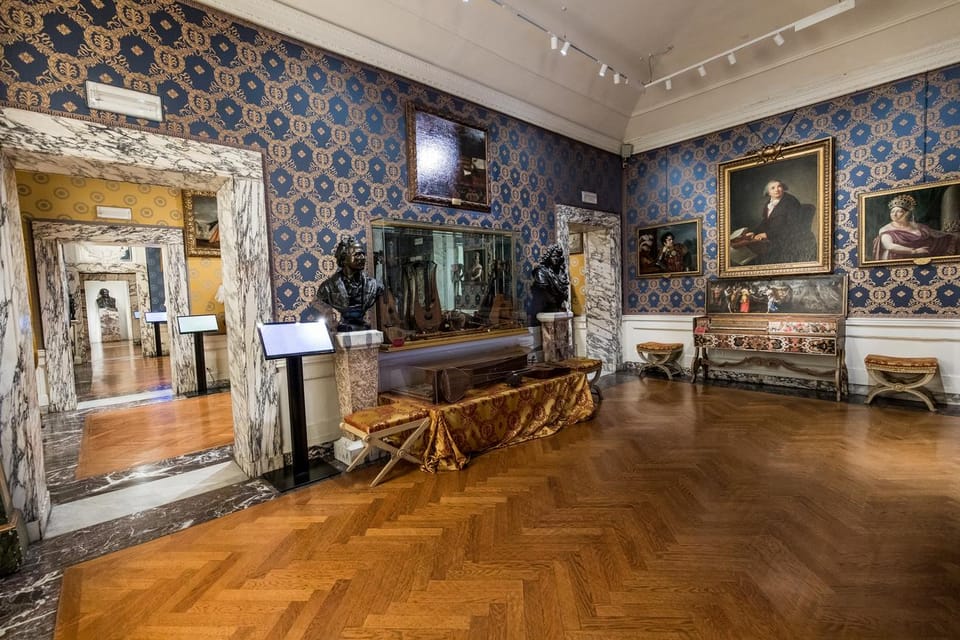
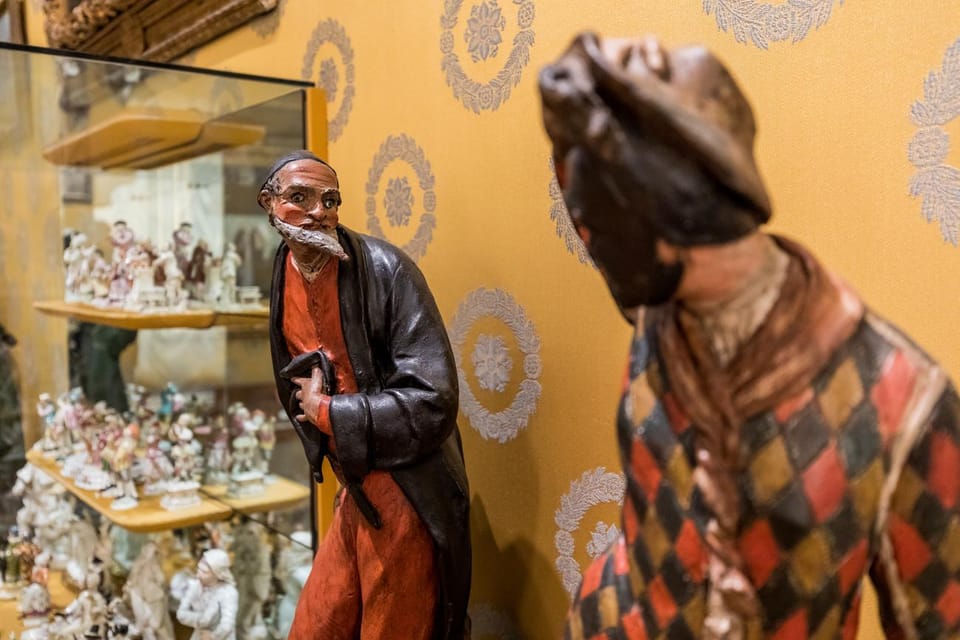
Once you move from the theatre-facing area into the museum route, you’ll find the heart of what makes this ticket worthwhile. The museum includes a collection of costumes, set designs, and musical instruments tied to notable La Scala productions.
This is the best section for anyone who likes to understand the mechanics of opera. You get objects that explain how singers and orchestras are supported by the production world—what a stage required visually, and what tools were part of performances.
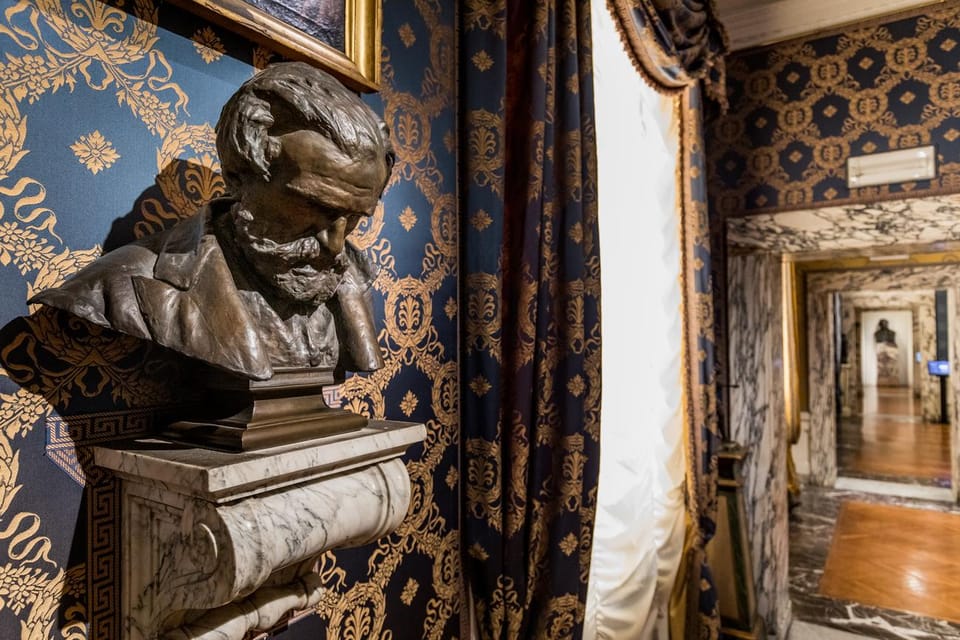
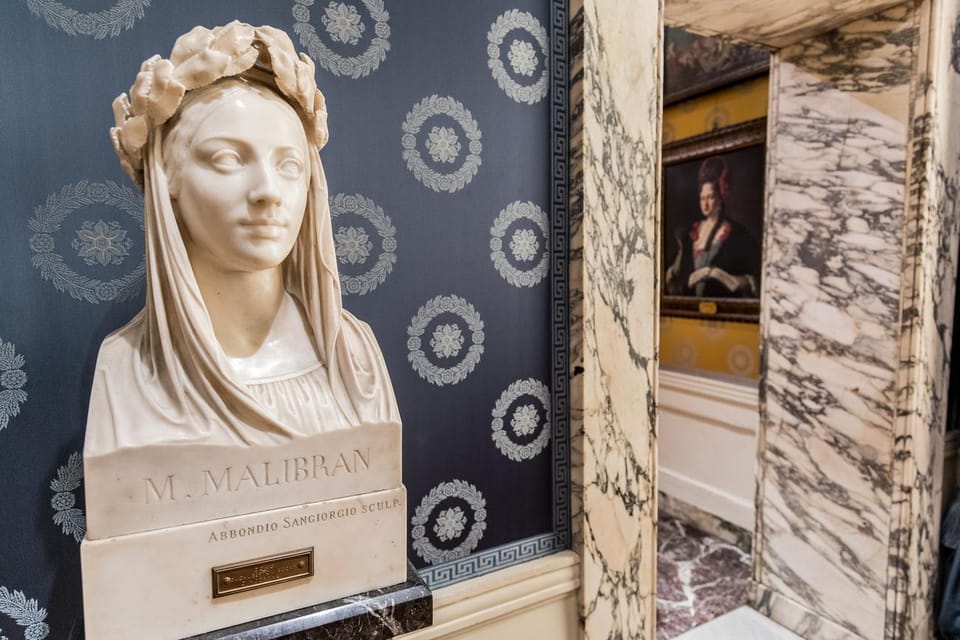
You’ll also see a gallery of portraits and busts of important musicians. It’s a quick way to connect the theatre to the people who shaped its reputation over time, including names you’ll recognize from opera history.
The Stories Behind La Scala: Early Years and Memorable Performances
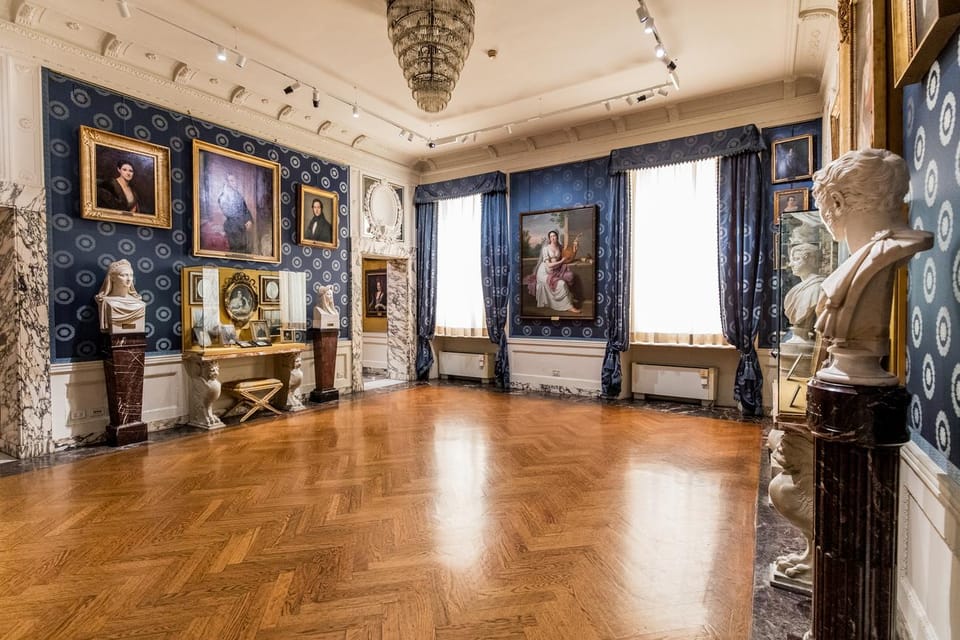
The museum doesn’t treat La Scala like a single famous event. It walks through the early years of the theatre and highlights notable performances, helping you understand why this opera house became a cultural reference point.
A practical tip: don’t only scan plaques. Look for the way the museum connects production objects (costumes, sets, instruments) to the personalities and eras connected with them. That’s what turns “history facts” into something you can picture.
Videos and Media: A Smart Way to Picture Opera On Stage
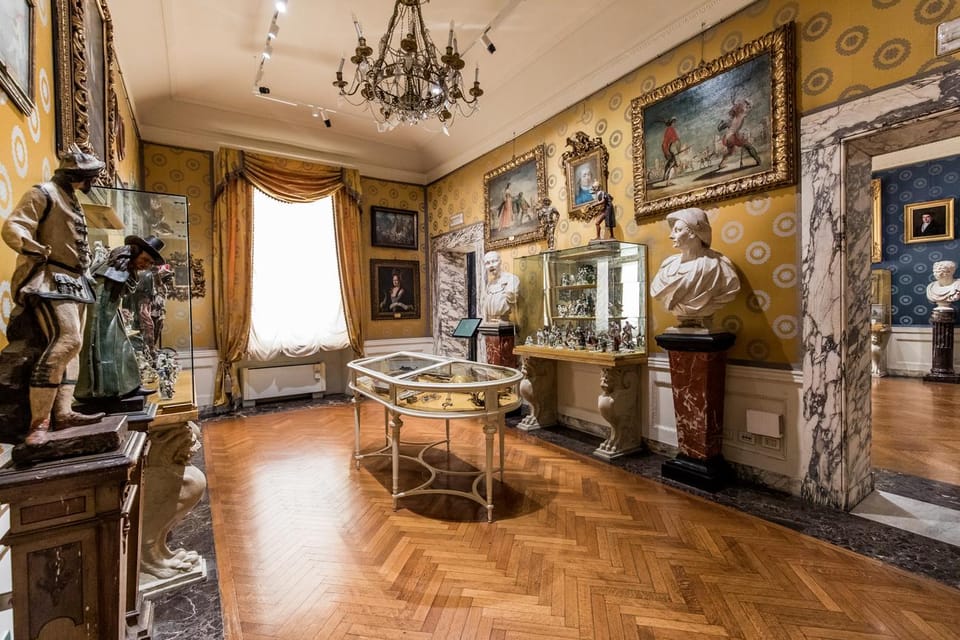
Even without an on-site opera or ballet performance, the museum uses informative videos and pictures to show what the stage experience is like. This is especially useful if you’re visiting during a quiet week in the calendar.
Some visitors have described the museum as a surprise, with strong visual media that helps you imagine how it would feel to be there for a live show. In other words, the multimedia pieces are doing real work here, not just acting as filler.
Audioguide in 7 Languages: How to Get More Out of Each Room
Your ticket includes an app audioguide (downloadable at the museum) in 7 languages. This matters because La Scala’s story is dense, and the museum layout can move quickly.
My advice: use the audioguide for the “big stations” first—where you see major exhibits, portraits, or instrument displays—and then skim the smaller items without audio if you’re pressed for time. That approach keeps you from tuning out everything while you hunt for the right sections.
Also, if you’re someone who likes context, the audioguide is the best way to connect what you see to the early years, landmark performances, and the broader cultural impact.
Accessibility and Stroller-Friendly Layout
If you’re bringing a wheelchair or stroller, good news: the theatre and museum are accessible. That makes this a realistic option even for visitors who prefer not to deal with lots of steps or tight turns.
One practical note: since luggage restrictions exist, traveling light is still smart for smoother movement through entry and cloakroom.
Price and Value: Is $17 a Good Deal for La Scala?
At $17 per person, this ticket can be a strong value, especially because it includes more than one “experience layer”:
- theatre access beyond a basic photo stop
- a museum route with real production artifacts (costumes, sets, instruments)
- an audioguide in 7 languages
You’re paying for a focused museum visit plus the chance to see the theatre space from visitor viewpoints. If you were paying museum-only admission somewhere else in central Milan, you’d still likely get objects and labels—but you’d be missing the theatre component that’s central to La Scala.
Where value can shift is theatre visibility. If conditions (like rehearsal) reduce access to the main theatre area, your personal “theatre view” might not hit the maximum potential. Still, the museum side remains a solid core.
Who Should Book This (and Who Might Want More)
This is a great pick if you:
- want La Scala context without needing tickets to a performance
- like production design details (costumes, sets, instruments)
- enjoy audio-guided museum pacing
It’s also worth considering if you love historic theatres but don’t want a long day searching for “something meaningful to do.” This gives you a concentrated, culture-heavy stop in central Milan.
You might want a different option if your main goal is a full, unobstructed theatre view at floor level. Because viewing can vary, the best-case experience depends on what’s happening in the space during your time slot.
A Local Touch: The Name to Know
One standout from the experience feedback: people mention a guide named Simona, praised for knowing local history well. If she’s part of your visit and you get a chance to interact, it’s a nice bonus—because her context can connect what you see to Milan beyond just the theatre walls.
Booking Decision: Should You Get This Ticket?
I’d book this if you want La Scala to be more than a quick landmark photo. The mix of museum artifacts and theatre access, plus the 7-language audioguide, makes it feel like you’re getting “the thinking behind the spectacle.”
But choose your time thoughtfully. Check the theatre visibility guidance (lights on matter), and aim for a slot where you’ll have enough time to slow down through the museum without feeling rushed. If you’re flexible and value a high-impact cultural stop, this ticket is an easy win.
FAQ
FAQ
How long is the La Scala Theatre Museum ticket valid?
The ticket is valid for 1 day. You’ll select a starting time based on availability.
How much does the ticket cost?
The entrance ticket price is $17 per person.
Does this ticket include skip-the-line entry?
Yes. The ticket includes skip the ticket line.
Is there an audioguide included, and how many languages?
Yes. It includes an app audioguide in 7 languages, available to download at the museum.
What can I see inside?
You can explore the La Scala Theatre Museum with exhibits such as costumes, set designs, and musical instruments, plus portraits and busts, and you can also see areas of the theatre interior.
Are there restrictions on bags or luggage?
Yes. Luggage or large bags are not allowed, and large bags and backpacks must be checked into the cloakroom.
Is the museum wheelchair accessible?
Yes. The theatre and museum are accessible to wheelchairs, and the site is also suitable for strollers.
Can I cancel for a refund?
Yes. There’s free cancellation up to 24 hours in advance for a full refund.
What should I check for best theatre visibility?
It’s recommended to check whether the theatre lights are on using the museum visibility guidance before you go.