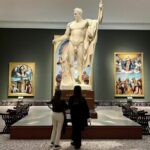
REVIEW · MILAN
Milan: Natural History Museum Entry Ticket & Audio Guide
Book on GetYourGuide →Operated by Vox City International · Bookable on GetYourGuide
A museum built for big questions is here, in Milan. What I like most is the smartphone audio guide with 40+ points, plus the easy entry ticket setup that gets you inside without slow paperwork. The one thing to watch: you’ll need your own headphones and a working download link before you arrive.
You’ll spend about 2 hours meandering through the museum’s natural-science collections, guided by a digital map and narration in several languages. The building itself is part of the experience, with the museum’s location by the Public Gardens of Milan giving you a pleasant setting before and after.
In This Review
- Key highlights to look for
- First impressions: the museum setting and how the visit flows
- Tickets, e-ticket setup, and the fastest way to get inside
- The audio guide experience: 40+ points that turn rooms into a story
- Pacing your visit: what a 2-hour self-guided route can realistically cover
- The museum building and the gardens: why the setting adds value
- Collections you’ll actually care about: what each theme gives you
- Paleontology: fossils as evidence, not just objects
- Mineralogy: the science behind shapes and formations
- Zoology: diversity in a way you can feel
- Botany: plants as Earth’s long-term system
- Conservation and the modern link
- Price and value: is $12 worth it for this format?
- The main risk: tech and instructions
- Who this museum stop is perfect for
- Should you book this Natural History Museum audio ticket?
- FAQ
- What’s included with the Milan Natural History Museum ticket?
- How do I get the e-ticket and audio guide?
- How long should I plan to spend in the museum?
- What languages are available for the audio guide?
- Do I need headphones?
- Where is the museum meeting/entry location?
Key highlights to look for

- 40+ audio points that help you pace your visit without guessing what to see
- Multilingual narration in English, Italian, French, with German added from 15 April
- Entry ticket + skip-the-line process using an e-ticket on your phone
- Digital map in the app so you can move efficiently through the halls
- Natural history themes across paleontology, minerals, zoology, and botany
- Quiet, self-guided flow that you can adjust on the spot
First impressions: the museum setting and how the visit flows
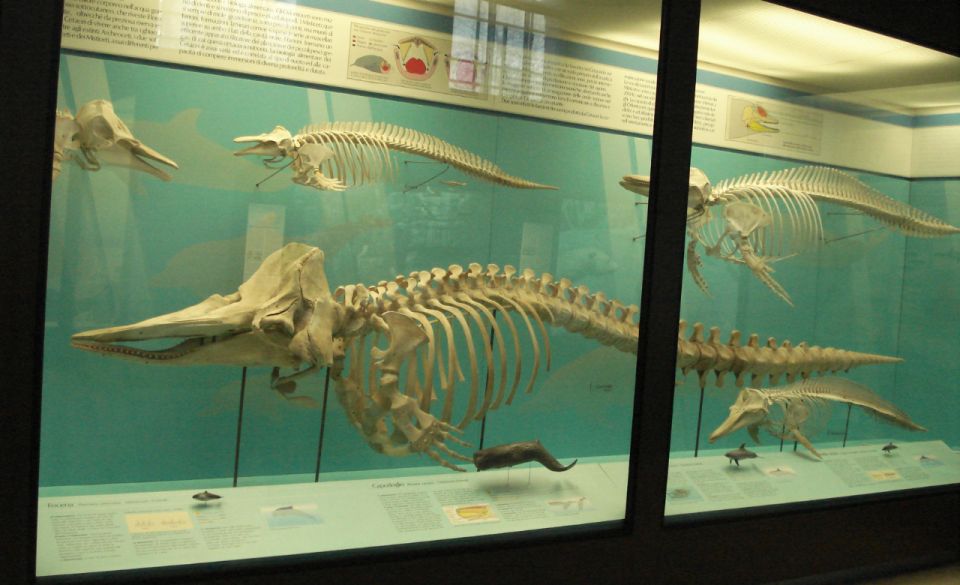
Milan’s Natural History Museum has a classic, museum-in-a-park vibe. It sits at Indro Montanelli Gardens, Corso Venezia 55, so you get that nice “science day with a stroll” feeling instead of feeling crammed into a busy city stop.
What makes this format practical is that you’re not stuck in a fixed group timeline. You get your entry ticket and then follow the audio guide at your pace. Most people will naturally end up doing a loop through the main collections, but the app’s digital map is there if you want to jump ahead or slow down.
The big planning note: this is a smartphone-guided experience. If your battery is low or the audio guide doesn’t download smoothly, you’ll feel it immediately. The product includes everything except headphones, so bring your own or you’ll need another workaround once you’re there.
You can also read our reviews of more tours and experiences in Milan



Tickets, e-ticket setup, and the fastest way to get inside
This activity includes an e-ticket that’s delivered via WhatsApp within 24 hours of your travel date. You also get told to scan a QR code on your voucher to download the audio guide before you arrive.
Here’s the practical way to make this painless:
- Make sure your phone can open WhatsApp links and view QR codes.
- Download the audio guide before you set foot inside, not while you’re standing at the entrance.
- Bring your ticket up on your screen so staff can scan it easily.
You don’t need a printed ticket. Staff entry is handled by showing the e-ticket on your mobile device. The listing also says it skips the ticket line, which is a real time-saver in a museum where people can bunch up at the desk.
The audio guide experience: 40+ points that turn rooms into a story
The heart of this experience is the audio guide with over 40 audio points of interest. That’s a sweet spot: it’s enough stops to keep you focused, but it doesn’t force you to sprint from one display to the next.
You’ll be guided through major themes, including:
- Paleontology (fossils and ancient life)
- Mineralogy (mineral formations and the science of materials)
- Zoology (the diversity of animal life)
- Botany (plants and the story of Earth’s vegetation)
- Evolution and conservation themes mentioned throughout the narration
- The museum’s own arc from the 19th century to today, tied into how the collections developed
The narration format matters because these topics can be hit-or-miss in a self-guided visit. With 40+ points, you’re not relying on your eyes alone to make sense of what you’re seeing. The audio helps you connect specimens to larger ideas like how we know Earth’s past and how conservation fits into that big timeline.
And if you’re the type who likes to browse slowly, this works well: the audio points are there when you want them, rather than pulling you into a strict tour script.
Pacing your visit: what a 2-hour self-guided route can realistically cover
The duration is listed as 2 hours, which is a good window for a thoughtful visit without turning it into a full-day project. In a museum like this, 2 hours typically means you’ll focus on the most meaningful exhibits and use the audio guide to “thread” your way through the rooms.
A realistic flow looks like this:
- Start with orientation and the most visually striking displays first, so you get grounded in the museum layout.
- Then move through the big collection themes in order (paleontology → minerals → zoology → botany), or jump around based on what interests you that day.
- Use the audio points as your guideposts, not as a checklist you must finish perfectly.
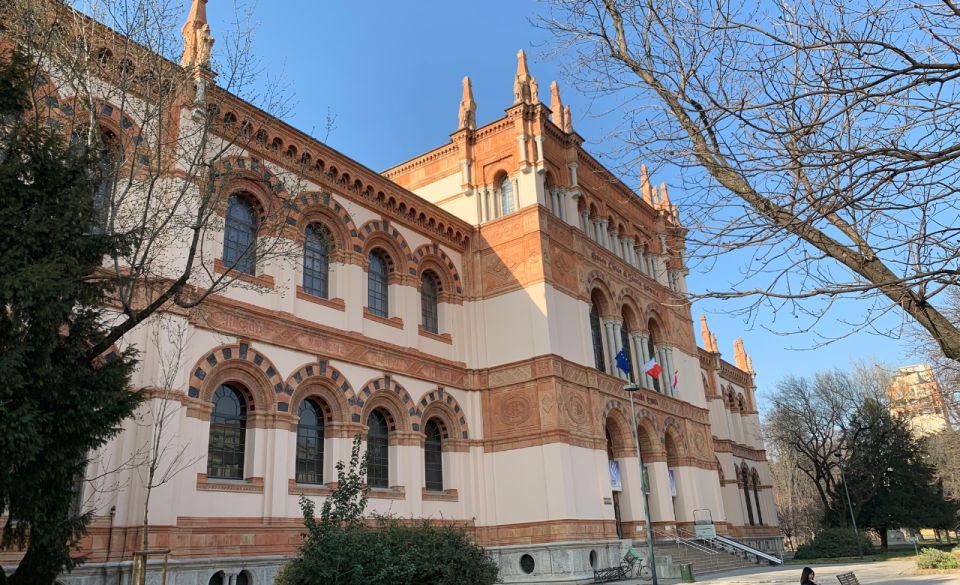
- End with the architectural vibe and the setting by the gardens—because leaving the museum is part of the experience here.
One small drawback: since it’s self-guided, you’ll have to decide where you want to spend more time. If you hate making choices, you might feel like you’re “waiting for someone to tell you where to go.” The digital map reduces that stress, but it doesn’t replace the comfort of a human guide.
The museum building and the gardens: why the setting adds value
This museum isn’t just what’s inside the cases. It sits in Indro Montanelli Gardens, so you get a calmer start and a more pleasant finish to your visit than many indoor-only attractions.
That matters because it changes how you feel in the space. You’re not bouncing between crowded streets and loud venues all day. You can arrive, take a breath in the garden area, then step into a collection space that’s meant for long looking.
It’s also a good plan for photos and “I’m done with museums” decompression time. Even if you only spend a few minutes outside, it makes the whole visit feel less like a checklist item.
You can also read our reviews of more guided tours in Milan




Collections you’ll actually care about: what each theme gives you
Here’s how the content themes usually land when you follow an audio guide like this—especially if you’re trying to get value out of a 2-hour ticket.
Paleontology: fossils as evidence, not just objects
The paleontology section is the easiest entry point, because fossils naturally create curiosity. The audio narration helps you connect individual specimens to bigger questions: what fossils can tell us about ancient life, and how Earth’s history is reconstructed.
Mineralogy: the science behind shapes and formations
Minerals can look like pretty rocks at first glance. With audio narration, you start seeing patterns: crystal structure, formation processes, and why specific specimens are meaningful to scientific study.
Zoology: diversity in a way you can feel
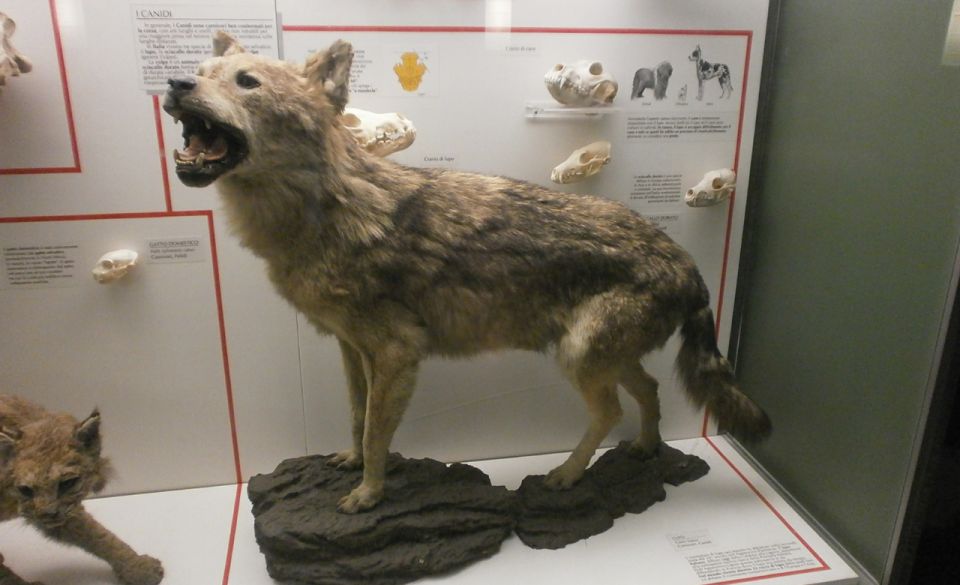
Animal displays can blur together if you’re only looking visually. Audio points can help you slow down and notice categories of diversity—how many different ways life exists and how classification works.
Botany: plants as Earth’s long-term system
Botany often takes longer for people to appreciate, because plants don’t get the same immediate wow-factor as dinosaurs or big animal skeletons. The guide’s role is to make plant life feel connected to the broader story of Earth, ecosystems, and survival.
Conservation and the modern link
One of the useful things about natural history museums is the bridge from past to present. The audio guide includes conservation-related themes, which gives you a “why this matters now” ending instead of ending on ancient facts only.
Price and value: is $12 worth it for this format?

At $12 per person, the value is mostly about what you’re getting bundled: entry ticket, skip-the-line, and a smartphone audio guide in multiple languages. That’s a practical combo because you’re paying for both access and interpretation.
The trade-offs are simple:
- You must have a charged smartphone and the ability to download the audio guide via QR link.
- Headphones are not included, so factor that in if you don’t already have a spare pair.
- If you’re expecting a live guide talking in real time, this isn’t that. The narration is self-guided, with the app doing the teaching.
So the question becomes: will you use the audio? If you enjoy museum explanations and like structuring your visit, $12 feels fair. If you prefer reading every label yourself and hate phone-based experiences, you may not get as much value from the audio portion.
There’s also a hint from a review that buying through the wrong channel can cost extra. If you’re price-sensitive, compare the final total before you confirm and make sure you’re paying the amount shown for this exact product.
The main risk: tech and instructions
Two things can spoil the flow, based on real feedback patterns.
1) Audio guide download problems
One unhappy experience described a link issue where the audio guide attempt led to the wrong Natural History Museum location. Whether it was a mistaken link or a device/browser problem, the takeaway is clear: scan the QR code and download the audio guide before arrival, and don’t wait until you’re at the front door.
2) Staff help and meeting instructions confusion
Another complaint said no one was there to assist, with unclear instructions until later. For you, that means: if you’re arriving and you don’t immediately understand where to go, ask at the entrance staff desk quickly and show your e-ticket. Don’t keep wandering.
To reduce hassle, I recommend you:
- Screenshot your voucher details (just in case).
- Keep mobile data or Wi‑Fi available for downloading.
- Plan to start your download at home or near your hotel.
Who this museum stop is perfect for

This works best if you fit one of these profiles:
- You like independent museum visits but want guidance so you don’t miss the good stuff.
- You’re traveling with limited time in Milan and want a strong indoor experience that doesn’t drag.
- You want multilingual narration without the cost and pressure of a private guide.
- You enjoy natural science themes and want a coherent path through paleontology, minerals, animals, and plants.
It may be less ideal if:
- You dislike phone apps inside museums.
- You don’t bring headphones and don’t want to improvise.
- You’re the type who needs a human guide to keep motivation up for every room.
Should you book this Natural History Museum audio ticket?
Yes, for most people. If you’re paying $12 for entry plus a multilingual audio guide with 40+ points, this is a practical value deal—especially if you use the app to guide your pace.
Book it if you want a calm, self-directed museum visit and you’re comfortable downloading content before you arrive. Skip it or be cautious if you know your phone struggles with QR links, or if you refuse to use headphones with a smartphone audio guide.
The simplest decision tool: if you’ll actually listen to the audio, you’ll likely feel like you got your money’s worth.
FAQ
What’s included with the Milan Natural History Museum ticket?
You get an entry ticket for the Natural History Museum and a digital audio guide via smartphone app in English, Italian, and French (German is noted as available from 15 April). It also includes access to the self-guided city of Milan experience.
How do I get the e-ticket and audio guide?
The e-ticket is available to download and is sent via WhatsApp within 24 hours of your travel date. You’re also instructed to scan the QR code on your voucher to download the audio guide before you arrive.
How long should I plan to spend in the museum?
The experience is listed as 2 hours.
What languages are available for the audio guide?
The audio guide is available in English, Italian, French, and German (from 15 April).
Do I need headphones?
Yes. Headphones are not included, so you’ll want to bring your own.
Where is the museum meeting/entry location?
The museum is at Indro Montanelli Gardens, Corso Venezia 55. You can head there directly. Entry is gained by showing your e-ticket on your mobile device.