REVIEW · MILAN
Milan: Pasta, Gnocchi and Tiramisù Cooking Class with Wine
Book on GetYourGuide →Operated by Chef in Milan · Bookable on GetYourGuide
Fresh pasta beats restaurant shortcuts. In Milan, I like the hands-on format where you make truffle gnocchi, ravioli, and tiramisù from scratch, and I also like the Italian wine tasting with both reds and whites.
The main catch is timing: tiramisù needs time to set in the fridge for a couple of hours, so the class includes a little waiting built into the flow.
In This Review
- Key things that make this cooking class worth your time
- Milan Cooking Class With Truffle Gnocchi, Ravioli, and Tiramisù
- The menu you’ll make (and why each dish is a skill-builder)
- Tiramisù: cream, assembly, and the fridge wait
- Fresh pasta for ravioli: dough and cooking the right way
- Gnocchi with truffle sauce: technique first, crunch at the end
- Hands-on teaching: patience, humor, and real answers
- Wine tasting that matches the meal (not just a free pour)
- Dietary options: vegetarian, vegan, and gluten-free choices
- Recipes you can actually use at home
- Getting there: Via Lodovico Settala and the easy metro approach
- Timing and pace: what a 3-hour class feels like
- Price and value: how $96.29 stacks up
- Who this is best for (and who should skip it)
- A balanced take: what’s great and what to plan around
- Should you book this Milan cooking class?
- FAQ
- What dishes will I learn to make?
- Will I eat what I cook?
- Are there vegetarian, vegan, or gluten-free options?
- Is wine included, and what kind is it?
- How long is the class?
- Where do I meet the chef?
- What should I do if I have an allergy, and can I cancel?
Key things that make this cooking class worth your time
- Start-to-finish cooking: You work through three dishes, not just watch and taste.
- Tiramisù first, set later: You assemble it from scratch, then let it chill.
- Truffle gnocchi + baked finish: You learn the gnocchi basics and end with a cheesy, lightly crunchy bake.
- Wine pairing built into the meal: You taste both white and red Italian wines alongside what you’re cooking.
- Small-group attention: You get time to ask questions and get technique-level answers.
- Recipe booklet to take home: You leave with a written guide so it’s repeatable at home.
Milan Cooking Class With Truffle Gnocchi, Ravioli, and Tiramisù
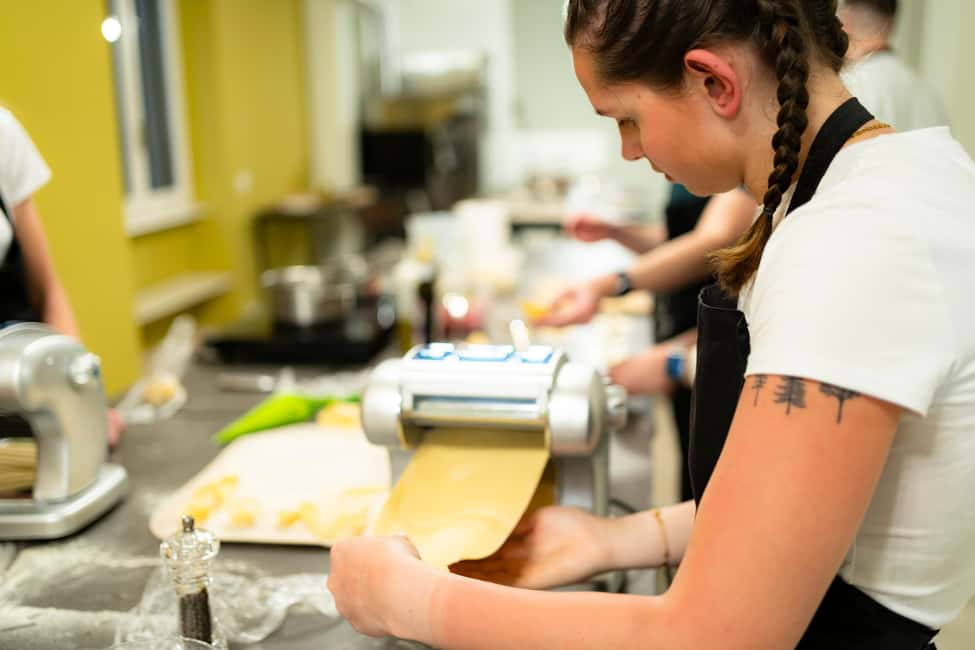
If you’ve ever ordered pasta in Italy and thought, I should learn how this actually works, this class is a strong match. It’s in Lombardy, and it focuses on the kind of food you see everywhere in Milan, done with skill: fresh pasta, gnocchi technique, and a tiramisù you build yourself.
This isn’t a vague food tour. You’re not just tasting your way through ingredients. You’re making a full dinner—then eating it—after learning why Italian dishes succeed (and why they flop).
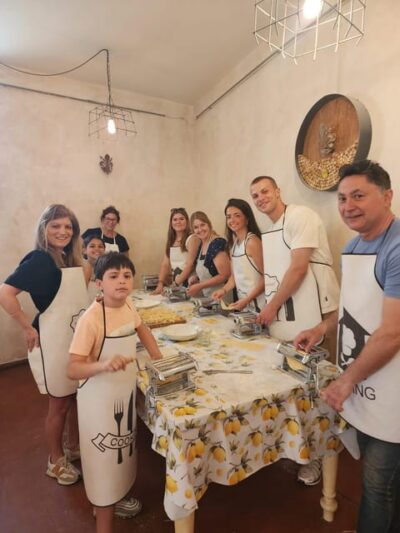
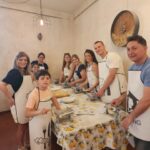
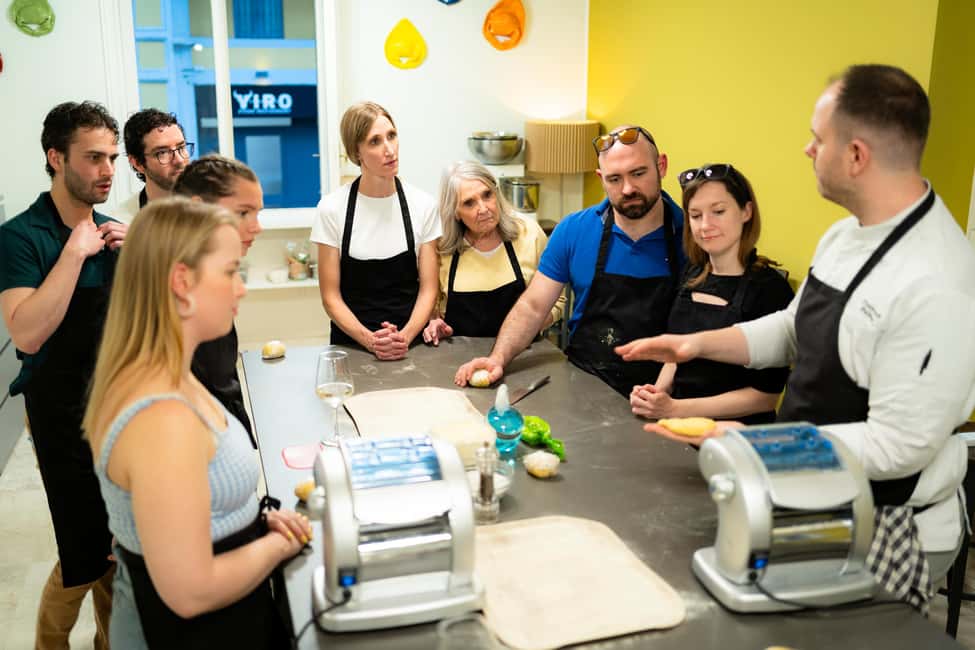
The setting is practical and friendly: a native, experienced chef leads a small group in English, with lots of room for questions. That matters because pasta and desserts can look simple and behave badly if one step is off.
You can also read our reviews of more cooking classes in Milan

The menu you’ll make (and why each dish is a skill-builder)
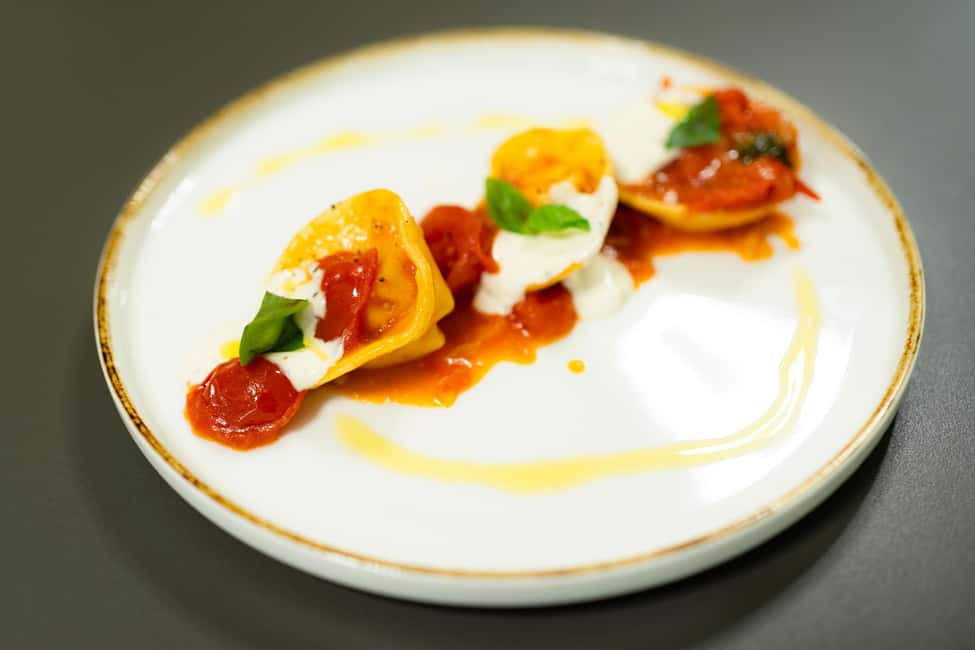
You’ll cook three dishes from start to finish: truffle gnocchi, ravioli, and tiramisù. The structure matters because each dish teaches a different “how” behind Italian cooking.
Tiramisù: cream, assembly, and the fridge wait
You start with tiramisù, completely from scratch. That means you’re not relying on packaged components; you’re making the cream and assembling your own version. Then it needs time to set in the fridge for a couple of hours.
This is the part that surprises people expecting to eat immediately. The wait is real, but it’s also part of learning. You see how texture firms up and how assembly affects the final slice.
When dinner time comes, you’ll have something you made with your own hands—plus the confidence to recreate the method later.
Fresh pasta for ravioli: dough and cooking the right way
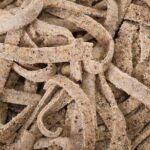
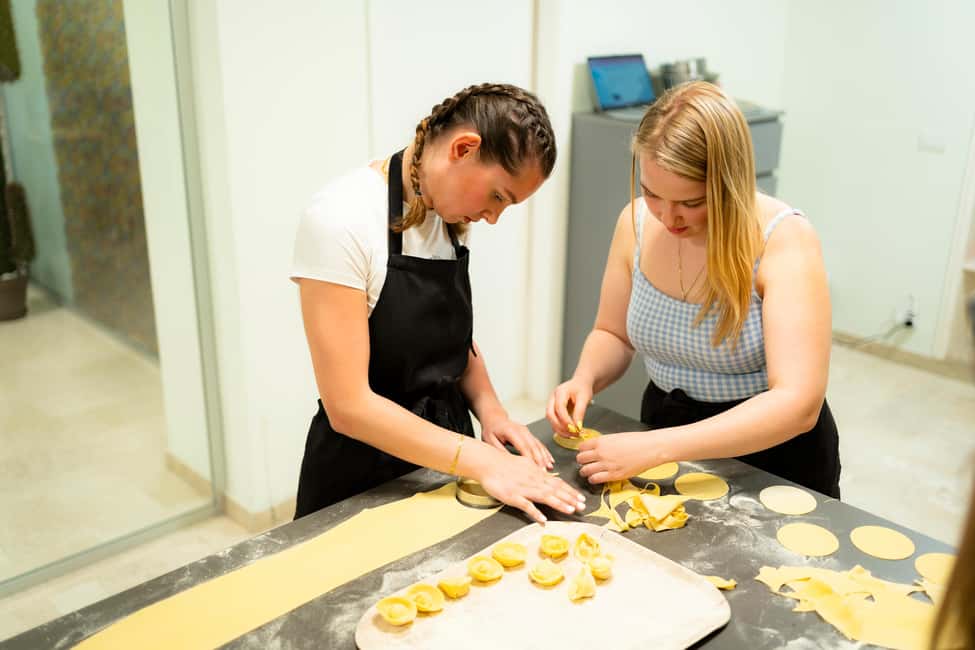
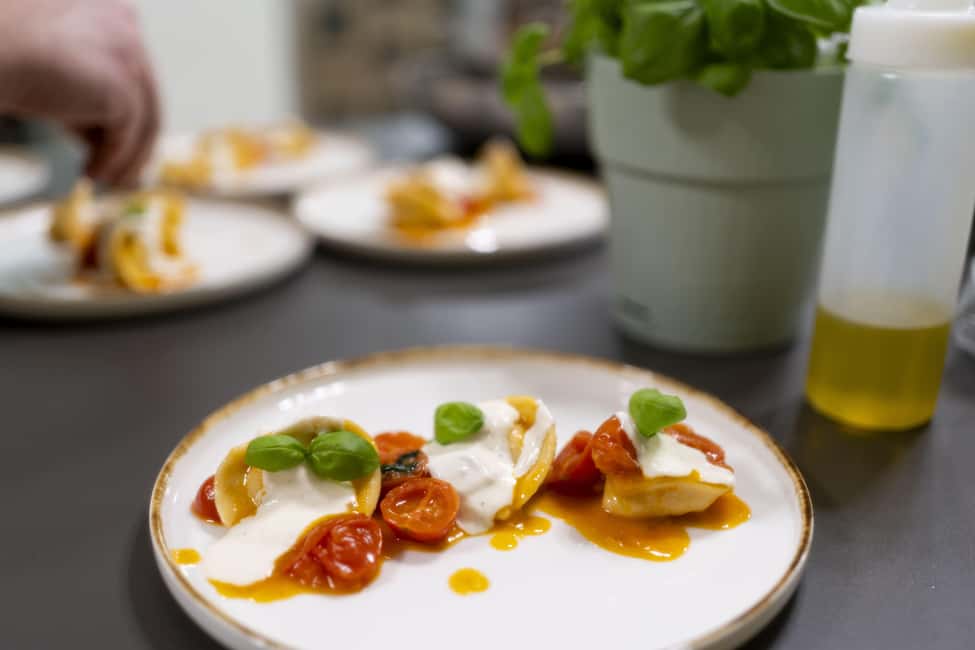
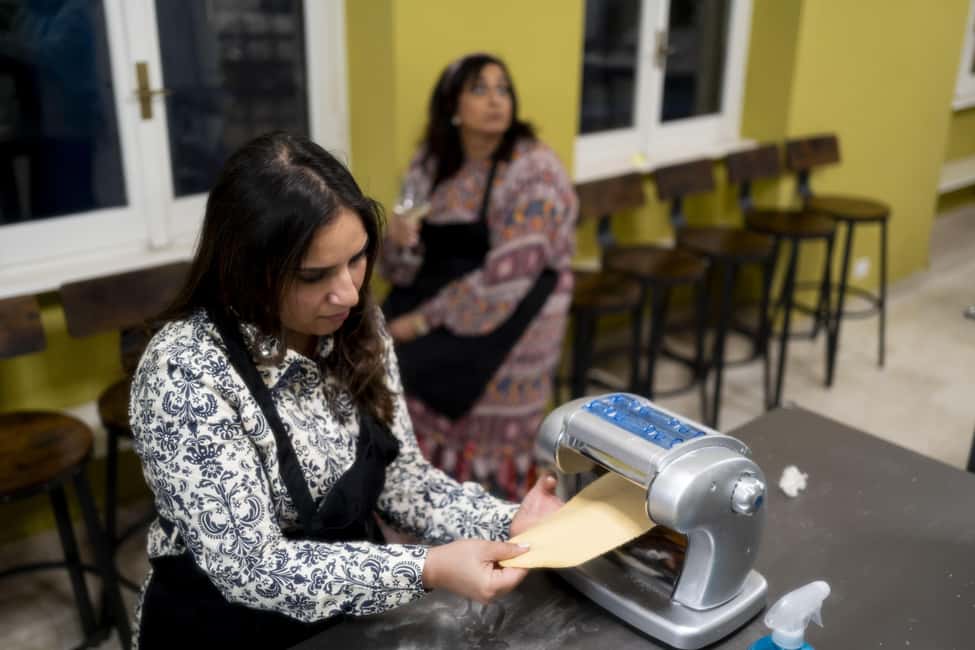
Next comes fresh pasta. You learn how to make pasta from scratch and how to handle it without turning it into an exercise in sticking and tearing.
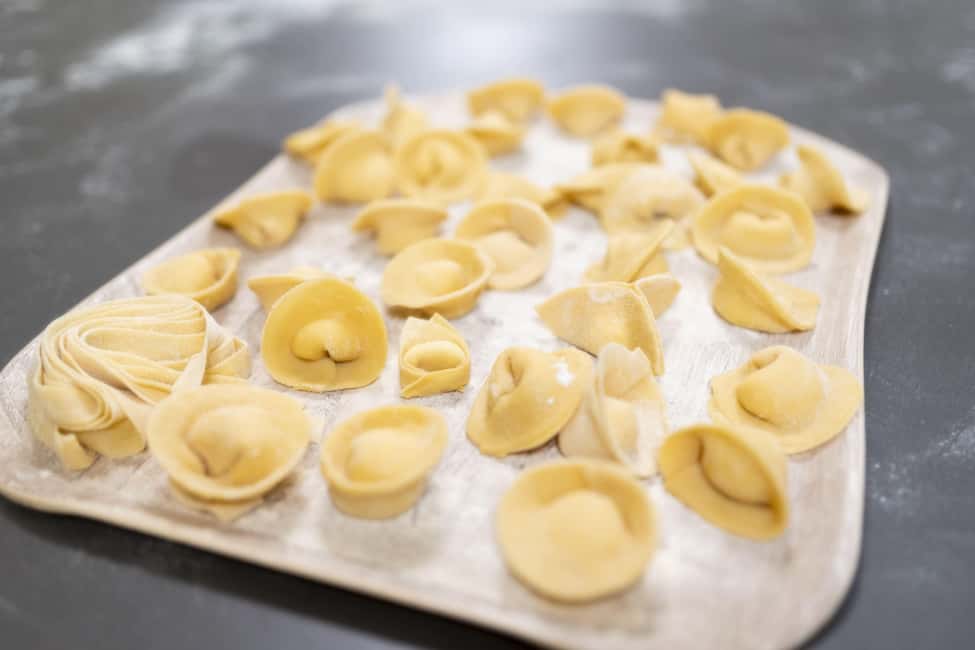
Ravioli teaches discipline. The dough has to be rolled well, and the filling needs to be portioned and sealed so they cook evenly. In the end, you eat the results as part of your dinner, so there’s no “just for practice” feeling.
You’ll also talk through common mistakes—things like dough issues, cooking errors, and sauce timing. Those details are the difference between food that tastes good once and food you can actually cook again.
Gnocchi with truffle sauce: technique first, crunch at the end
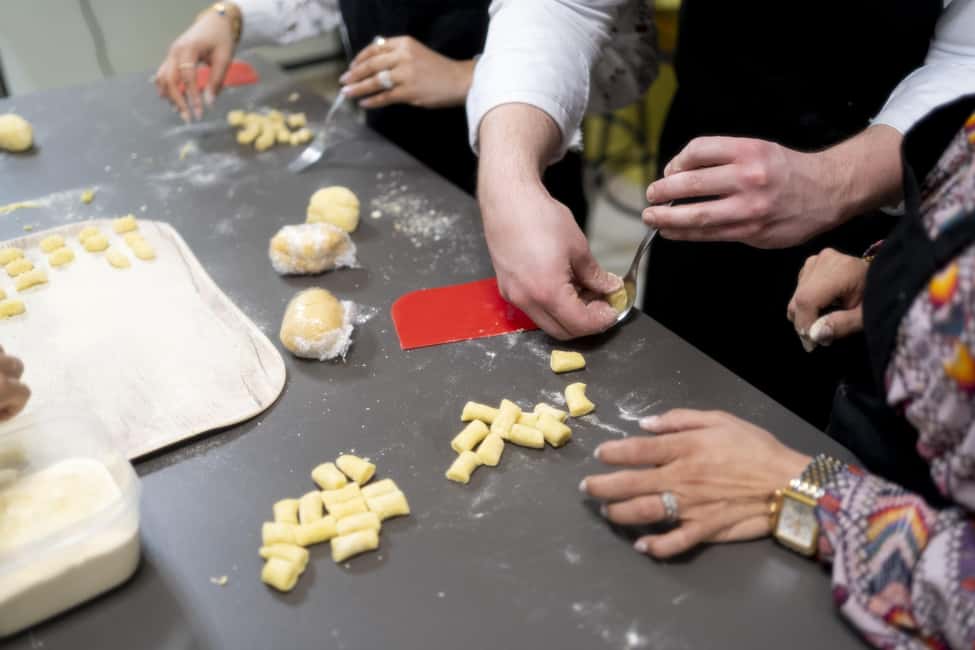
Then you shift to gnocchi. You’ll make gnocchi from scratch and learn the approach that helps them hold their shape and taste right. You’ll prepare a truffle sauce, too.
One of the nicest practical details is what happens at the end: you bake your own dish to get a cheesy top that turns just a bit crunchy. That’s a simple idea, but it teaches you how Italian cooking balances softness with texture.
You can also read our reviews of more wine tours in Milan

Hands-on teaching: patience, humor, and real answers
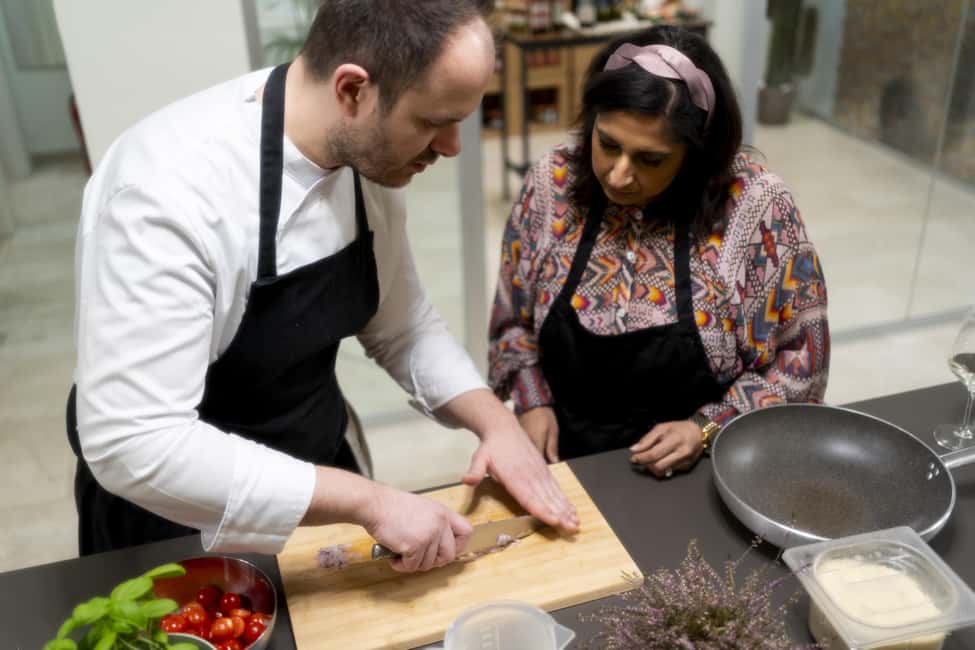
What stands out most is how the chef teaches. The lessons aren’t just a checklist. You’ll get step-by-step guidance and plenty of chances to ask why.
If you’re the type who freezes when something goes wrong (sticky dough, lumpy cream, gnocchi that won’t cooperate), you’re in luck. Reviews highlight that chefs are patient and engaging, and that they keep instruction clear while still making it fun.
You might even meet Liù. One past class was led by Liù, and the big takeaway was flexibility. When a participant couldn’t eat cheese, Liù adapted so everyone could take part in the process rather than watching from the sidelines. That’s the kind of teaching you want in a hands-on class.
Also, expect conversation beyond food. The class talks about Italian food traditions, and it includes advice on how to buy the right products so your home cooking doesn’t turn into guesswork.
Wine tasting that matches the meal (not just a free pour)
Included in the experience is wine tasting: both white and red top class Italian wines. This is more useful than it sounds.
Why? Because wine isn’t just an add-on in a cooking class. It’s part of training your palate. When you taste while you cook, you start making connections between sauce styles, acidity, and richness.
It’s also just a good way to settle in after learning dough technique and before eating. Wine is woven into the pace, so you’re not waiting until the end to enjoy anything.
Dietary options: vegetarian, vegan, and gluten-free choices
This class builds in options for vegetarian, vegan, and gluten-free diets. That’s a big deal for practical travel planning. You don’t want to spend a week in Italy worrying about what you can safely eat.
What you can expect is adaptation during the class. The chef can guide you through equivalents so you still do hands-on cooking. One review specifically noted flexibility around cheese, with an alternate approach so the participant still fully participated.
A quick note: if you have allergies or intolerance, tell the organizer in advance. The class says to let them know ahead of time, and you’ll be glad you did once you’re in the middle of dough and sauce work.
Recipes you can actually use at home
You’ll take home a recipes booklet. That’s more valuable than it sounds, because cooking classes can be great in the moment and useless later if you don’t have exact steps and proportions.
This is one reason I like classes like this versus pure tastings. You leave with a plan for how to recreate what you cooked, not just the memory of it.
If you’re cooking for friends back home, this booklet gives you something to follow when the kitchen doesn’t look like your Italian classroom.
Getting there: Via Lodovico Settala and the easy metro approach
Meeting point is in Milan at Via Lodovico Settala n.1. You ring at number 18 once you’re there.
Getting there is straightforward by transit. The nearest subway stops are Porta Venezia or Repubblica. And yes, you can walk if you’re already exploring the city: it’s about 2 km from Milan Cathedral, roughly 25 minutes on foot.
That 25-minute walk matters if you’re trying to time the day around Duomo photos. Plan a little cushion so you don’t arrive rushed.
Timing and pace: what a 3-hour class feels like
The duration is 3 hours, and starting times vary, so you’ll want to check availability for the slot that fits your schedule.
Here’s how the flow typically makes sense:
- You begin with tiramisù assembly.
- You move into fresh pasta lessons and cooking techniques.
- You shift to gnocchi and truffle sauce.
- You bake the gnocchi dish to finish with that lightly crunchy top.
- You then enjoy the dinner you made: ravioli, gnocchi, and tiramisù.
The built-in fridge time for tiramisù is why the class lasts a full 3 hours. It’s not a flaw; it’s how the dessert behaves properly.
If you want a class where you eat instantly, this one isn’t that. If you want a class that teaches how real Italian timing works, it fits well.
Price and value: how $96.29 stacks up
The price is $96.29 per person for 3 hours. On paper, that can sound like “a lot for cooking,” but here’s why it often feels worth it.
You’re paying for:
- instruction from a professional chef in a small group
- hands-on cooking for three dishes from scratch
- a wine tasting (both white and red)
- your dinner built around what you cook
- a recipes booklet to take home
If you were to do a similar meal at a restaurant and add wine, you’d be spending real money anyway. The difference is that you also get the skills and the written method, not just a plate.
So the value depends on your mindset. If you just want to eat, a restaurant can be simpler. If you want to learn and bring something home, the price starts to look fair.
Who this is best for (and who should skip it)
This class is ideal if you:
- want a hands-on food experience rather than a tasting only
- like learning technique—dough, cooking, sauce timing, and dessert assembly
- want a meal plus wine in one structured session
- travel with a partner, friend, or even family and want a shared activity
- care about having dietary options that don’t feel like an afterthought
You might skip it if you:
- hate waiting for dessert to set in the fridge
- only want a quick, casual food walk
- have very strict food needs and haven’t planned to notify the organizer ahead of time
A balanced take: what’s great and what to plan around
What’s great is the combination. You get real cooking time, not just a demonstration. You also get wine and a full dinner, so the class doesn’t end with crumbs and regrets.
What to plan around is the pacing and the setting time for tiramisù. If you’re the type who gets impatient when food needs to chill, build your expectations around that.
Also keep in mind that it’s an English class, and the chef is teaching in that language, so if you’re a fluent Italian speaker you might still enjoy the experience, just know it won’t be an immersion-only format.
Should you book this Milan cooking class?
I think it’s a good booking for most food-minded travelers doing Milan for a few days. The structure makes it practical: three dishes, hands-on learning, wine included, and a recipe booklet to keep the experience from evaporating after your trip.
Book it if you want to leave with skills you can use, and if you’re happy to follow a class rhythm that includes some fridge time. Skip it if you need something ultra-fast or purely self-guided.
If you’re choosing between this and another food experience, consider what you actually want at home: another great meal, or a repeatable Italian cooking plan.
FAQ
What dishes will I learn to make?
You’ll learn how to make truffle gnocchi, ravioli, and tiramisù. The class is hands-on and you cook from start to finish.
Will I eat what I cook?
Yes. The experience includes dinner with the dishes you prepare, including ravioli, gnocchi, and tiramisù.
Are there vegetarian, vegan, or gluten-free options?
Yes. The class notes that the dishes have vegetarian, vegan, and gluten-free options.
Is wine included, and what kind is it?
Wine tasting is included, with both white and red Italian wines.
How long is the class?
The duration is 3 hours, and starting times depend on availability.
Where do I meet the chef?
Meet at Via Lodovico Settala n.1 and ring at number 18. The nearest subway stops are Porta Venezia or Repubblica.
What should I do if I have an allergy, and can I cancel?
If you have any food allergy or intolerance, let the organizer know in advance. Cancellation is free up to 24 hours in advance for a full refund, and you can reserve now and pay later.