REVIEW · MILAN
Museum of Senses Milan admission ticket
Book on GetYourGuide →Operated by Museum of Senses Milano · Bookable on GetYourGuide
Your feet will get a workout. The Museum of Senses Milan is a hands-on stop where you move through exhibits built around six senses and you actually use them, not just watch. I love the touch-first approach and the fact that the museum is set up for adults and kids to learn through play. One drawback: this experience can feel short if you expect lots of time in each activity.
You also get the stuff that makes the experience more than eye-candy. The ticket includes a special Senses Kit with tactile socks (plus a Taste Box for the taste area), and staff are on hand with explanations as you go. That said, the price can feel steep if you rush through or if you get stuck on exhibits that are more fun than meaningful for you.
In This Review
- Key points before you go
- Entering the Museum of Senses Milan: what the ticket gets you
- Your six-sense route: sight, hearing, smell, touch, taste, and balance
- The Senses Kit socks and tactile floors: getting real value from touch
- Taste Box expectations: fun, learning, and the occasional confusion
- Photo spaces and staff support: make it easier for families and first-timers
- How long to plan: a quick 30 minutes, or a more relaxed session
- Price and value: is $18 worth it?
- Who this works best for in Milan
- Practical tips for a smoother visit
- FAQ
- FAQ
- Where is the Museum of Senses Milan located?
- How much is the Museum of Senses Milan admission ticket?
- How long is the ticket valid?
- What sensory areas are included?
- Are tactile socks included with the ticket?
- Is taste included in the ticket?
- Is the museum wheelchair accessible?
- Is free cancellation available?
- Are animals allowed inside?
- Should you book the Museum of Senses Milan ticket?
Key points before you go

- Six sense zones built for sight, hearing, smell, touch, taste, and balance
- Included tactile socks through the Senses Kit, aimed at your feet and the tactile floors
- Taste area includes a Taste Box, so you are not just reading about flavor
- Photo-friendly spaces designed for memorable pictures
- Wheelchair accessible, with clear on-site instructions for safety
Entering the Museum of Senses Milan: what the ticket gets you

With a Museum of Senses Milan admission ticket, you get access to all areas and interactive exhibits of the museum. In plain terms: you pay to use your senses, not to stand in a line of artifacts. It’s family-friendly and designed to feel like a game, with staff available to explain what you are seeing and doing.
The ticket price is $18 per person. That sounds simple, but the value depends on your expectations. If you love interactive exhibits and hands-on learning, the price makes more sense. If you prefer long, quiet museum time, you may find yourself wishing you had more time per station—especially since some visitors report finishing in about 30 minutes.
If you want your visit to feel worth it, arrive with a plan: move with curiosity, slow down when something grabs your attention, and don’t treat it like a check-the-box attraction.
You can also read our reviews of more tours and experiences in Milan



Your six-sense route: sight, hearing, smell, touch, taste, and balance
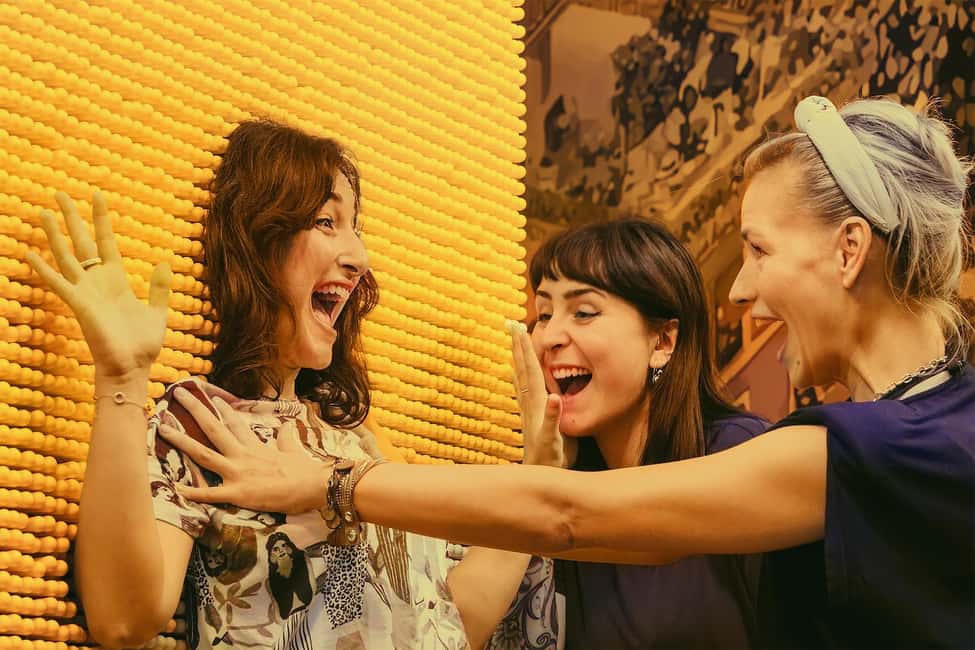
The museum is organized as a sensory journey. You walk through themed spaces dedicated to each sense. The idea is straightforward: forget your usual “look but don’t touch” museum habits and let your senses do the work.
Here’s how the experience tends to land, sense by sense:
- Sight: Expect interactive setups that play with what you think you see. The goal is to make you notice how easily your brain fills in gaps.
- Hearing: You’ll likely be prompted to focus on sound cues and how they affect your perception. Even if you think you know how your ears work, this section is built to surprise you a bit.
- Smell: This is where the museum shifts from screens and lights into more personal, memory-based input. Smell is tied to real emotion, which is why these exhibits can feel more intense than you expect.
- Touch: This is a core strength of the museum. You’re meant to feel textures and surfaces and treat your hands as an information tool.
- Taste: The taste area uses a Taste Box included with your visit. If you like trying small food experiences as part of learning, you’ll probably enjoy this part more.
- Balance: This section focuses on how your body senses position and motion. It’s a great reminder that balance is not just “being steady,” it’s constant input from your inner ear.
The best way to enjoy this route is to play along. Ask yourself what you think will happen, then compare it to what your senses actually tell you in the moment.
The Senses Kit socks and tactile floors: getting real value from touch
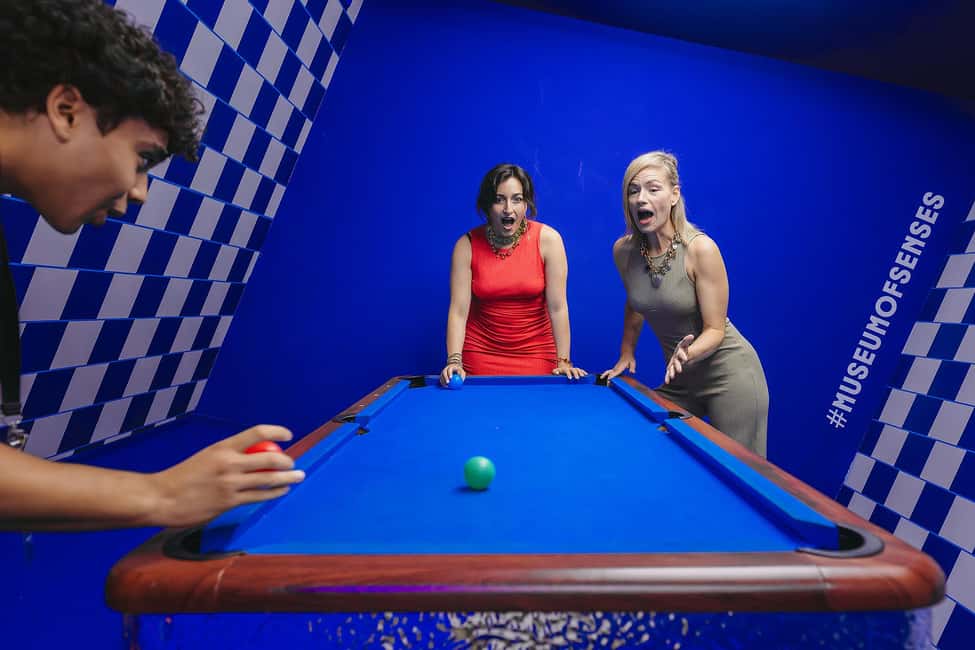
One of the most distinctive parts here is the Senses Kit included with your ticket. The kit includes special socks designed to help you feel the tactile floors. Since those socks are included, you should use them as intended instead of treating them like optional extras.
How to make the touch areas work for you:
- Keep an open mind even if you think you already understand textures. The museum’s whole point is that perception is not always obvious.
- Move slowly where you are invited to focus. Speed usually turns tactile experiences into blur.
- If you’re there with kids, let them lead. They often pick up on the texture-play faster than adults do.
This tactile approach is also why the museum can feel more satisfying than a standard museum with hands-off displays. You’re not just looking at the idea of “senses.” You’re practicing it.
Taste Box expectations: fun, learning, and the occasional confusion
The taste area is supported by the included Taste Box. For some people, this is a highlight because it turns abstract learning into something immediate: flavor and preference in real time.
For others, the taste portion can feel unclear if you are expecting a traditional tasting or a big explanation. The information we have points to a common issue: some visitors didn’t fully understand the idea behind the sweets in the taste experience.
My practical advice: go in expecting that this is more about sensory awareness than gourmet details. Approach it like an experiment. Try what you’re given, then notice how your first impression changes with attention. If you are picky about food or have strong preferences, consider that the taste activity may be small-scale and part of a learning setup rather than a full menu.
Photo spaces and staff support: make it easier for families and first-timers

This museum isn’t shy about being a photo-worthy place. There are dedicated spaces designed for taking unique and memorable pictures. The benefit is practical: you don’t have to hunt for the right angle or wait for someone to move out of the way. The layout nudges you toward those spots.
Even better, staff are available with explanations and insights during your visit. That matters because not every interactive station automatically makes its lesson obvious. If you’re traveling with kids, staff help can turn a moment of chaos into a teachable point. If you’re an adult who wants meaning beyond the fun, asking a quick question can make a station click.
You can also read our reviews of more museum experiences in Milan




How long to plan: a quick 30 minutes, or a more relaxed session
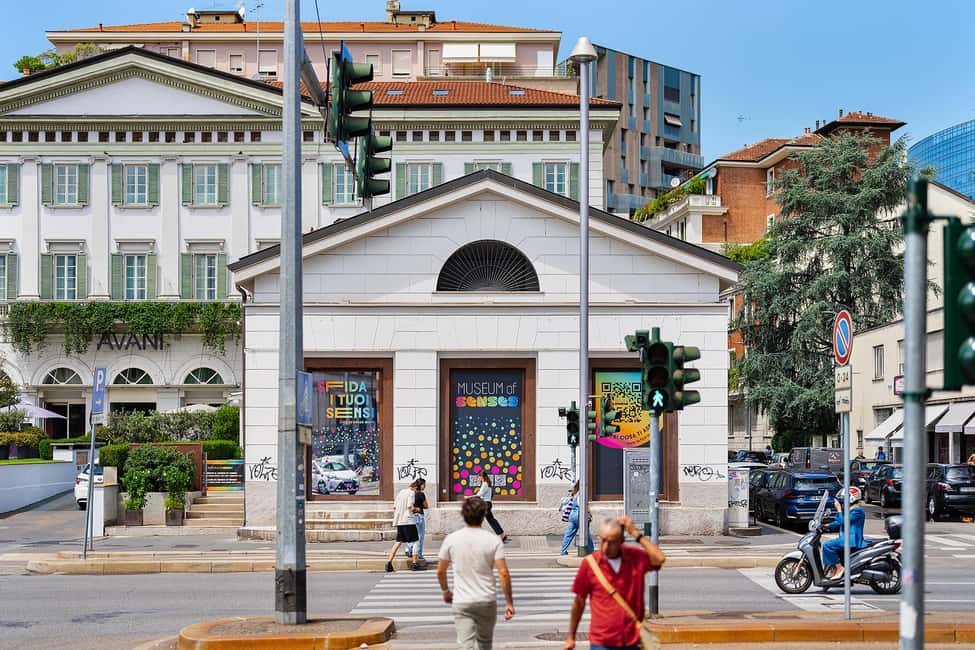
The duration on the ticket is listed as valid for a wide time window (1 to 365 days), and you should check availability to see starting times. What’s missing is a guaranteed on-site duration. That’s where planning matters.
Some visitors report being inside for about 30 minutes at a maximum. If that is close to your style—fast, curious, and ready to move on—this ticket can be a smooth stop in your day. If you want to linger, repeat stations, or give extra attention to the touch and balance activities, you may want to budget extra time so you don’t feel rushed.
A good strategy:
- Do the first pass through the six-sense areas normally.
- When you find an activity that grabs you, slow down for a second round.
- If you feel pulled forward by the next station, you can still get the core experience without overthinking it.
Price and value: is $18 worth it?

At $18 per person, this museum is positioned as a paid interactive experience. Whether it feels worth it comes down to how you engage.
What supports the value:
- You get access to all areas and interactive exhibits.
- Your ticket includes the Senses Kit, including tactile socks (with a stated €5 value) and a Taste Box.
- Staff explanations and photo-friendly spaces reduce friction. You’re not left guessing what to do next.
What can make it feel pricey:
- If you are not into tactile, sensory play, you might treat it like a short detour.
- If you show up expecting a long, deep museum experience, the time on site can disappoint.
Here’s my rule of thumb: if you enjoy science-y fun, family outings, or learning through your body, it’s a strong value. If you want a slow, traditional museum day, consider whether you’d rather spend that time elsewhere.
Who this works best for in Milan
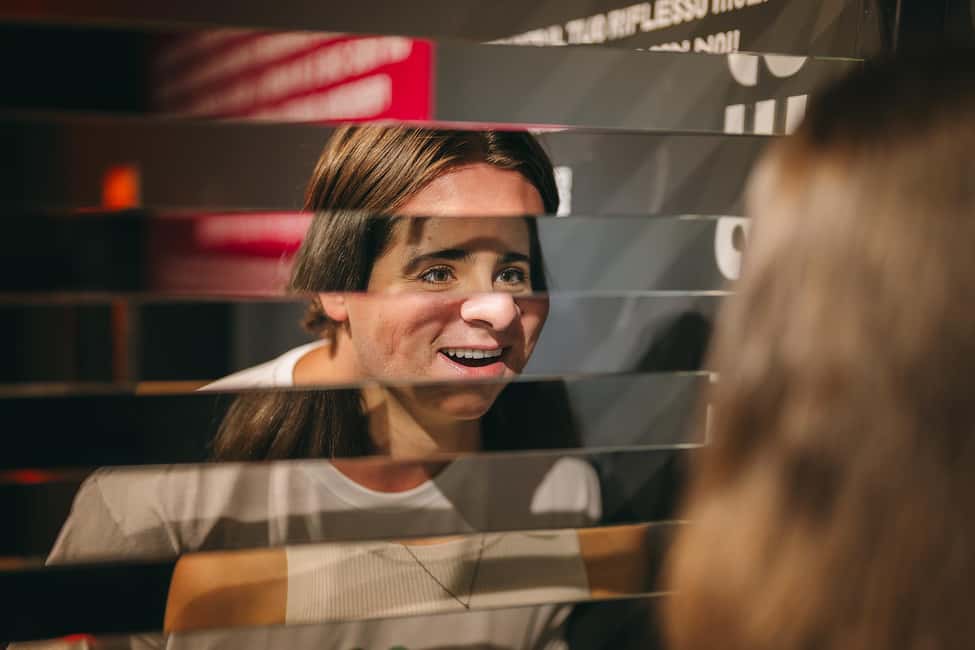
This is built for a wide audience, including adults and children. The six-sense format makes it naturally flexible for different energy levels.
You’ll probably enjoy it most if you:
- Want an activity that feels different from churches and galleries
- Travel with kids who need movement, not just standing
- Like hands-on learning more than reading labels
- Enjoy playful experiments with perception, taste, and touch
- Prefer a clear, structured visit with sections you can predict
You might enjoy it less if you:
- Dislike being directed into interactive stations
- Need long-form, quiet time at museums
- Have strong food sensitivities and want a full menu-style tasting (the taste portion here is described as a specific taste experience with a Taste Box)
Practical tips for a smoother visit
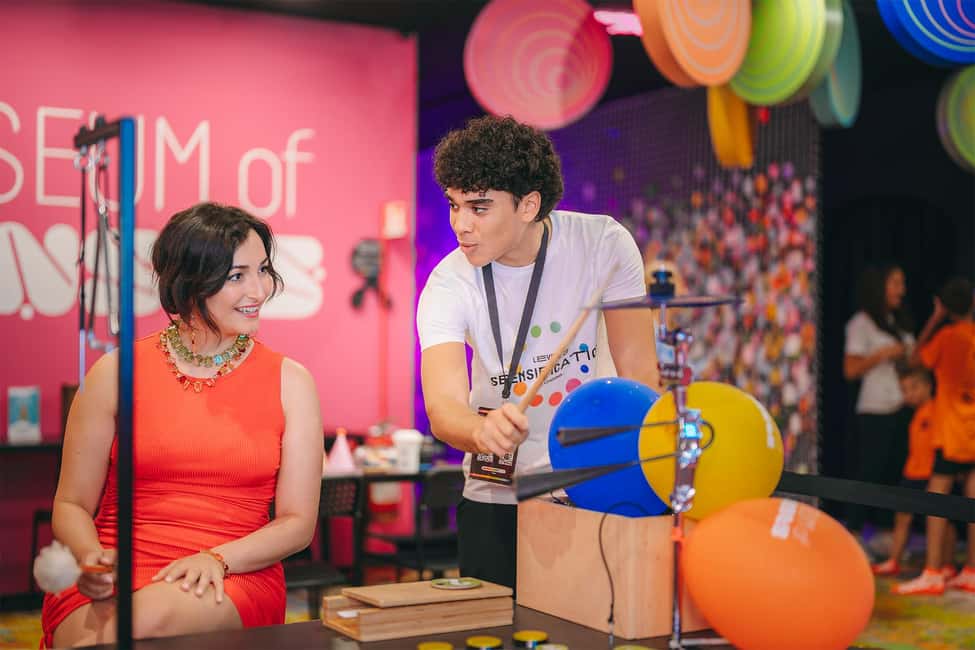
A few things are worth knowing so your day stays fun, not stressful.
- Read the safety notes inside. Some installations may not be suitable for certain categories of visitors, and specific warnings are clearly marked throughout.
- Skip the animals. Animals are not allowed.
- Wear your day like you mean it. Since the tactile experience uses included socks, your clothing matters less than your willingness to use your senses fully.
- Use staff help early. If something feels confusing, ask right away. Explanations can turn a frustrating minute into a real understanding.
Also, since the museum is wheelchair accessible, it’s a good option for travelers who need that level of access. Keep an eye out for the posted instructions at each attraction so you can enjoy safely.
FAQ
FAQ
Where is the Museum of Senses Milan located?
It’s in Milan, in the Lombardy region of Italy.
How much is the Museum of Senses Milan admission ticket?
The price is listed as $18 per person.
How long is the ticket valid?
The ticket is valid for 1 to 365 days. You should check availability to see starting times.
What sensory areas are included?
The museum experience includes six senses: sight, hearing, smell, touch, taste, and balance.
Are tactile socks included with the ticket?
Yes. The ticket includes special socks as part of the exclusive Senses Kit, designed to help you feel the tactile floors.
Is taste included in the ticket?
Yes. A Taste Box for the taste area is included as part of the Senses Kit.
Is the museum wheelchair accessible?
Yes, the museum is wheelchair accessible.
Is free cancellation available?
Yes. You can cancel up to 24 hours in advance for a full refund.
Are animals allowed inside?
No, animals are not allowed.
Should you book the Museum of Senses Milan ticket?
Book it if you want a hands-on, family-friendly break from typical sightseeing and you like learning through doing. The included tactile socks and Taste Box make it more than a casual walkthrough, and the staff explanations help the experience land better.
Skip it (or rethink it) if you prefer long museum stays, quiet galleries, or you hate food-based sensory activities you might not fully understand on arrival. With some visitors finishing in about 30 minutes, this is best as a focused, playful stop—not a whole-day museum plan.