REVIEW · MILAN
The Art of Italian Aperitivo: A Hands-on Cocktail Class
Book on Viator →Bookable on Viator
Aperitivo is more than a drink order. This Milan class is hands-on, split into theory and practical time, and centered on dosage and how to mix Italian classics with a local host like Armando (English offered; reviews note he also speaks French). I love that you’re not just watching. You get to shake, pour, and build a cocktail recipe yourself, not memorize a script. One thing to consider: since 3 alcoholic cocktails are included, you’ll be tasting alcohol for about 2 hours, so plan a slow evening and a simple ride home.
What I also like is the mix of chat and technique. You’ll learn how the main flavors work in Italian cocktails you see every day, while the class stays social and game-like instead of stiff. The potential drawback is that if you want a pure tasting tour with zero hands-on work, this format may feel too active for your style.
If you like learning by doing, this is a fun way to spend an evening in Milan. You leave with practical bartender-style habits you can reuse at home, plus the story thread of why these drinks became staples of Italian aperitivo culture.
In This Review
- Key takeaways before you book
- Italian Aperitivo In Milan: Learn the Dosage Behind the Classics
- Via Collecchio Meeting Point and What the Two-Hour Format Feels Like
- Part One: Theory and History of Italian Cocktails You’ll Recognize
- Part Two: Pouring Techniques, Shaking, and Inventing Your Own Recipe
- What’s Included in Your Drink Program: Classics Plus a Small Twist
- Price and Value: What $70.29 Buys You in Milan
- Who Should Book This Milan Aperitivo Class (and Who Might Skip It)
- Booking Smart: A Few Things to Get Right Before You Go
- Should You Book the Art of Italian Aperitivo Cocktail Class?
- FAQ
- How long is the Milan aperitivo cocktail class?
- Is the class offered in English?
- How many cocktails are included?
- What’s the sample list of cocktails?
- What happens if I want a 4th drink?
- Is this a private group activity?
- Can I cancel for a full refund?
Key takeaways before you book
- Two-part structure: short theory/history, then most of the time on practical mixing.
- Dosage focus: you’re taught how much goes in, not just how to pour.
- Pouring techniques: you’ll practice specific ways to handle the bar tools.
- You create your own recipe: you invent a cocktail and enjoy it with the group.
- 3 cocktails included: you’ll start with classics like Aperol Spritz, Americano, and Negroni.
- English class, private setup: only your group participates, near public transportation.
Italian Aperitivo In Milan: Learn the Dosage Behind the Classics
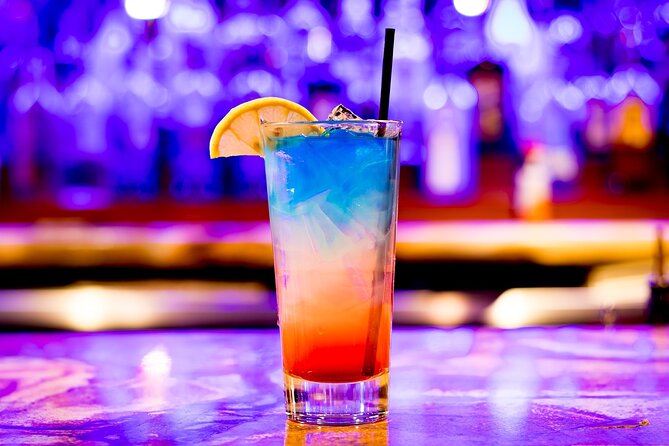
Italian aperitivo has a reputation for being effortless. You sit down, order something bitter-sweet, and the evening starts. In this class, I like that the instructor pulls back the curtain and treats aperitivo like a craft. You learn the idea of dosage, meaning how the balance happens in the glass. That’s the part most visitors never get taught, because bars are built for speed, not education.
You also get the deeper context for why these drinks feel so Italian. The experience includes a short segment on the history of major Italian cocktails, then a practical segment where you use the same principles immediately. It’s not history as a lecture. It’s history as a framework for how people actually make and order these classics.
And then there’s the social part. You’re not alone with a textbook. You chat and socialize while you learn mixing techniques. In the reviews, the evening with Armando is described as fun and interesting, and that matches the vibe: the class is aimed at people who want to enjoy themselves while learning.
You can also read our reviews of more tours and experiences in Milan
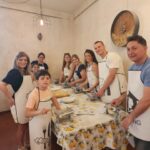


Via Collecchio Meeting Point and What the Two-Hour Format Feels Like
The class meets at Via Collecchio, 20148 Milano MI, and it ends back at the meeting point. That round-trip detail matters. It keeps you from having to figure out how to get across Milan right after you’ve been tasting cocktails.
It runs about 2 hours. That’s a sweet spot for a hands-on class. Long enough to learn the basics and practice, short enough that you’re not stuck in a “class dinner” that turns into a late-night ordeal. Since the tour is private for your group, you can usually expect a bit more attention and less waiting around than you’d get in a massive public workshop.
One practical note: the experience is near public transportation. If you don’t want to wrestle with Milan parking or slow traffic, plan to arrive by transit and keep your route home simple. Also, since the class includes alcoholic beverages, you’ll enjoy it more if you treat the evening like an activity, not something you squeeze between appointments.
Part One: Theory and History of Italian Cocktails You’ll Recognize
The experience is divided into two parts. The first part is theory and history, focused on Italian cocktails you’ll run into often. You’ll hear about the background of the main Italian cocktails, then you’ll move into how they’re built.
This is where I’d frame the value for you. Even if you only remember a few facts, understanding the why makes the how easier. When you later pour and dose ingredients, you’ll have a mental map for what you’re trying to achieve. Without that map, cocktail making can feel like following steps. With it, it becomes problem-solving.
The class also covers the flavors used for the preparation of these main Italian cocktails and the everyday ones. The goal isn’t to memorize a flavor list. It’s to learn how flavors behave together, so you can judge what’s working while you mix. That’s a real skill at a bar, too. If you’ve ever wondered why a drink tastes balanced in one place and flat in another, dosage and flavor structure are usually the reason.
The first part includes plenty of conversation. This matters because aperitivo is a social ritual in Italy. By keeping the talk going while you learn, the class stays lively instead of turning into an overly formal “class.” The reviews also mention games and Italian history, which lines up with this approach.
Part Two: Pouring Techniques, Shaking, and Inventing Your Own Recipe
The second half is where you’ll feel the real payoff. This is the practical section, and it takes up most of the time. You’ll learn bartender-style secrets, practice pouring techniques, and use the tools necessary to shake and create cocktails.
You should expect more than a quick demo. The class is built around you doing the work. That means you’ll get chances to practice pouring and learn how technique affects the drink. Pouring might sound like a small detail, but it’s part of the “control” side of cocktail making. It’s also how bartenders keep drinks consistent even when orders come fast.
Here’s the biggest moment: you have to invent your own cocktail recipe. That part sounds playful because, honestly, it is. But it’s also instructive. When you design your own version, you’re applying the idea of dosage and flavor choices, not just copying someone else’s result. Then you enjoy your creation together with the group.
If you’re worried about not being creative, don’t overthink it. The lesson is about mixing techniques and balance, not being an artist. Your recipe can be simple as long as you follow the principles taught in the first part. This is the kind of assignment that turns learning into a story you’ll remember later.
If you end up with a host like Armando, reviews mention that he explains cocktails with historical notes and interesting curiosities, and he speaks French well. That combination of technique plus context tends to make the practical work feel less random and more meaningful.
What’s Included in Your Drink Program: Classics Plus a Small Twist
You get alcoholic beverages and build your evening around included cocktails. The class includes 3 complete cocktails per person. The sample menu lists Aperol Spritz, Americano, Negroni, and more. So you can expect a menu that covers the kinds of drinks people associate with Milan and Italian aperitivo.
The class also includes use of the tools needed to shake and create cocktails. That means you don’t just learn theory; you work with the equipment you’d actually use at a bar. If you’ve ever made a drink at home and felt like something was missing, handling proper tools and technique helps close that gap.
One detail to note for your expectations: soda/pop is not included from the 4th cocktail per person on. Translation: you’ll have plenty with the included set, but if you keep ordering past the included drinks, you may need to pay for extra mixers. Plan to make your included cocktails count, then decide what you want after.
Because these are Italian classics, you’ll likely recognize at least a couple by name. That familiarity makes it easier to follow along when the host explains history and flavors. And if you don’t know the drinks yet, the class does a good job of teaching the structure so you can taste and understand what you’re experiencing.






Price and Value: What $70.29 Buys You in Milan
The price is $70.29 per person for about 2 hours. On paper, it might look like “just a cocktail class.” In practice, the value comes from a few specific things that are hard to replicate on your own.
First, you’re getting guided mixing and dosage instruction, plus practical pouring and shaking. Many self-guided experiences stop at tasting. This one tries to teach you how the drink is put together, then gives you tools and time to apply it.
Second, you’re getting 3 complete cocktails included. That helps offset cost because you’re not paying for every drink during the lesson. It also keeps the evening fun instead of turning into a strict “buy the ticket, sip one tiny sample” model.
Third, the recipe assignment is a real differentiator. The chance to invent and make your own cocktail gives you a memory that lasts longer than photos. It also forces you to internalize the dosage concept instead of treating it like trivia.
Now the balanced part: you’ll get the most value if you like hands-on work and you’re okay with alcohol being part of the evening. If you’re the type who prefers non-alcoholic drinks only, or you want a short tasting with no mixing responsibility, this might not match your vibe.
Who Should Book This Milan Aperitivo Class (and Who Might Skip It)
This class fits best if you’re in one of these moods:
- You want an evening activity in Milan that feels local, social, and practical.
- You enjoy learning a skill you can repeat later, especially mixing and dosage.
- You like Italian aperitivo culture and want the story behind cocktails you already recognize.
- You’re traveling with a group and want something private for your group only.
You might consider skipping if:
- You don’t want to participate in hands-on mixing.
- You’re sensitive to alcohol and would rather avoid tasting.
- You want a long walking tour format or a purely sightseeing-heavy evening.
The format works especially well for people who feel comfortable asking questions. The class includes theory, then puts you to work, so asking how the flavors and dosage come together can help you get more out of the time you spend there.
Booking Smart: A Few Things to Get Right Before You Go
Because you get instant confirmation and you’ll have a mobile ticket, you don’t need extra printing or complex paperwork. Plan to arrive a bit early so you can settle in and start relaxed. Since the location is near public transportation, it’s easy to plan arrival that way.
Also, go into it expecting interaction. You’re chatting and socializing while you learn, and you’ll be practicing pouring techniques. If you prefer quiet activities, you may find the group energy a little louder than a museum tour.
Finally, since you’re making and tasting, treat the night like an experience. Keep your return route simple. If you’re drinking, choose a safe way home.
Should You Book the Art of Italian Aperitivo Cocktail Class?
If you want a Milan evening that mixes learning, laughter, and Italian aperitivo culture, this is a strong yes. The best reason to book is the structure: short theory and history, then a big practical block focused on dosage, pouring techniques, and creating your own cocktail recipe. Add 3 included cocktails and a private group setting, and you get a real skill-based experience rather than a simple tasting.
If you only want to sample drinks and you don’t care about learning technique, you may feel like you’re doing too much work. If, instead, you enjoy hands-on classes and you like the idea of inventing a cocktail, you’ll likely leave with both a story and a method.
FAQ
How long is the Milan aperitivo cocktail class?
It runs about 2 hours.
Is the class offered in English?
Yes, the experience is offered in English.
How many cocktails are included?
You get 3 complete cocktails per person included in the experience.
What’s the sample list of cocktails?
The sample menu includes Aperol Spritz, Americano, Negroni, and more.
What happens if I want a 4th drink?
Soda/pop isn’t included from the 4th cocktail per person on.
Is this a private group activity?
Yes. Only your group participates.
Can I cancel for a full refund?
You can cancel for a full refund if you cancel up to 24 hours in advance of the experience start time.