REVIEW · MILAN
Milan Culinary Experience: Pasta & Gelato or Tiramisù Class
Book on Viator →Operated by Towns of Italy · Bookable on Viator
Milan turns pasta into a hands-on art. In this small-group class, I love how you learn fresh pasta techniques you can actually repeat at home, and you also get a gelato-making lesson built around real methods, not just watching. One thing to keep in mind: depending on timing, you may not end up eating the exact pasta shapes you personally made.
I’m also a fan of the way the meal is handled. You don’t just learn food; you sit down with wine and the kind of lively, mixed-culture group that makes asking questions feel easy—especially with chefs like Matteo, Fabrizio, or Alfredo leading the session.
You’ll finish with a hands-on skill plus a neat paper trail for your effort: a digital recipe booklet and a graduation certificate. The only real “consideration” is simple—plan to arrive early and get your bearings quickly in the busy Mercato Centrale area.
In This Review
- Key highlights at a glance
- Milan Culinary Experience: what you really do in 3 hours
- Finding the class above Mercato Centrale (and why timing matters)
- Stop 1: the Mercato Centrale area experience before you cook
- Making fresh tagliatelle and ravioli: where the real learning happens
- Sauces, cheese fondue, and the wine-lunch pairing
- Gelato prep and the gelato cone method you’ll remember
- Dessert schedule: gelato now, tiramisù starting March 1, 2026
- Diet fit: vegetarian friendly, but not for celiacs
- Group size and the instructor style that keeps it fun
- Take-home payoff: digital recipes and a graduation certificate
- Who should book this Milan pasta and gelato class
- Should you book? My honest take on the value
- FAQ
- FAQ
- What time does the class start?
- How long is the experience?
- Where do I meet for the class?
- Is hotel pickup or drop-off included?
- What is included in the meal?
- Is tiramisù included?
- Are vegetarians allowed?
- Is this class suitable for celiacs?
- Can children or teens attend?
Key highlights at a glance
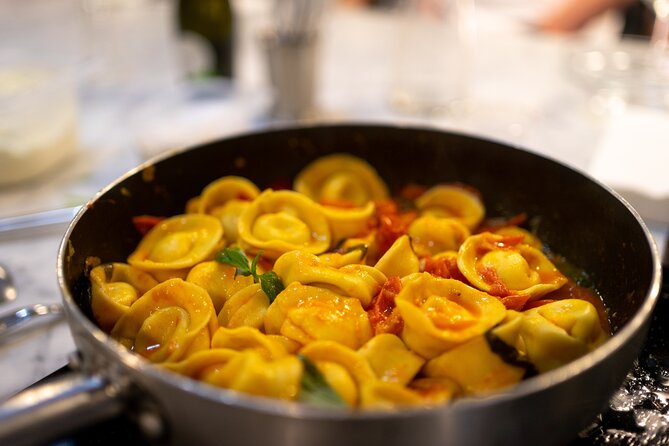
- Fresh pasta skills you can repeat: learn tagliatelle and ravioli methods from dough to shaping
- Gelato know-how, not guesswork: watch gelato preparation and learn how a gelato cone gets assembled
- Wine with lunch: your meal includes wine and soft drinks, served with the cooking session
- Up to 20 people: small group format means questions don’t get lost in the noise
- You leave with recipes: a digital recipe booklet plus a graduation certificate
- Dessert changes in 2026: gelato now, tiramisù starting March 1, 2026
Milan Culinary Experience: what you really do in 3 hours
This is a 3-hour, hands-on food class in Milan focused on two big Italian comforts: fresh pasta and gelato. You start at 11:00am and end back where you meet, so you can plan the rest of your day with less stress.
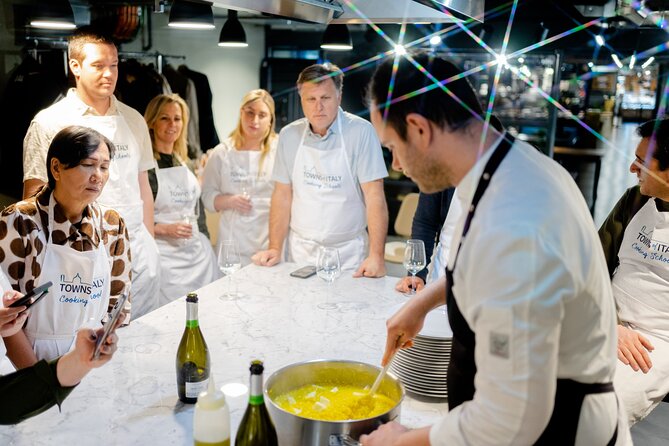
The class is built around learning by doing. You’ll work with the dough (and learn what matters when it comes to texture and rolling/shaping), then you’ll watch the sauce and gelato side of the meal take shape. Finally, you sit down and eat a proper lunch with wine and soft drinks.
At $85.32 per person, it’s not “cheap,” but it’s also not just a ticket to taste things. You’re paying for time with instructors, materials, and a guided meal that includes drinks—plus the take-home recipes and certificate that make it easier to recreate at home. If you like the idea of leaving with skills, not just photos, this value makes more sense.
You can also read our reviews of more cooking classes in Milan

Finding the class above Mercato Centrale (and why timing matters)
Your meeting point is at Towns of Italy – Cooking School inside the Mercato Centrale area, near Milano Centrale. Specifically, it’s listed at Via Giovanni Battista Sammartini, 1, Primo Piano (one floor up), at the Mercato Centrale market.
This location is practical. You’re near public transportation, and being in/around a major station area helps when you’re juggling other Milan plans. It also means you don’t have to schedule hotel pickup and wait on a van.
Still, Central Market zones can feel like a maze if you’re arriving for the first time. I recommend you arrive early—seriously. Give yourself extra minutes to find the correct entrance/floor and get settled before the class starts. While you’re there to cook, you’re also on someone’s schedule, and late arrival is the one thing that can ruin your day fast.
Tip: wear shoes you don’t mind getting a little busy-market dusty. You’ll move around more than you think in a working market setting.
Stop 1: the Mercato Centrale area experience before you cook

You’ll start at Milano Centrale area (the stop is basically the “you’re in the right neighborhood” moment), then head into the cooking school space at the market. Why this matters: it places your class in a real working food context, not a quiet studio in the middle of nowhere.
The session begins from there with the pasta part—so you don’t spend half the time traveling or waiting. You’re in and working quickly, which helps if you like your Milan days to feel efficient.
There’s also a social side to starting in this area. People tend to arrive together, check in, then settle into a small-group format. It makes it easier to chat across languages—especially when you’re all about to handle the same ingredients and tools.
If you’re solo, this kind of shared-start setup can be a big plus. If you’re with friends or family, it gives you a built-in group activity right away.
Making fresh tagliatelle and ravioli: where the real learning happens
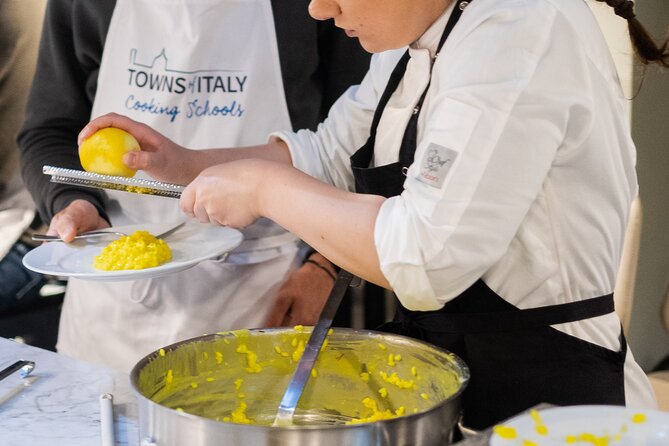
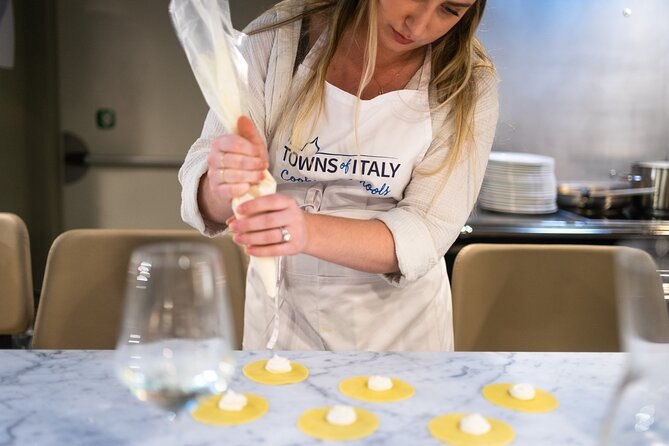
The heart of the class is fresh pasta. Expect to work on tagliatelle and ravioli—hands-on from dough to shape.
What I like about the way these classes are structured is that you learn the “why,” not just the motions. The instructors focus on the tricks that make pasta hold together and cook well. That’s the difference between a fun demo and a skill you can repeat.
In practice, you’ll learn methods for:
- working the dough so it behaves the way it should
- shaping ravioli (including learning reliable techniques for forming the pockets)
- handling tagliatelle so it cooks up with the right texture
Chefs leading sessions can include names like Matteo, Fabrizio, and sometimes Alfredo. Across those leadership styles, the common thread is clarity and engagement—people are encouraged to ask questions, and the pace stays practical instead of overly formal.
One more useful point: if you’re a total beginner, you’re not expected to already know pasta physics. The class is built for mixed skill levels, and the instruction style tends to be step-by-step. If you’ve made pasta once before, you’ll still come away with small adjustments that make a real difference.
Sauces, cheese fondue, and the wine-lunch pairing
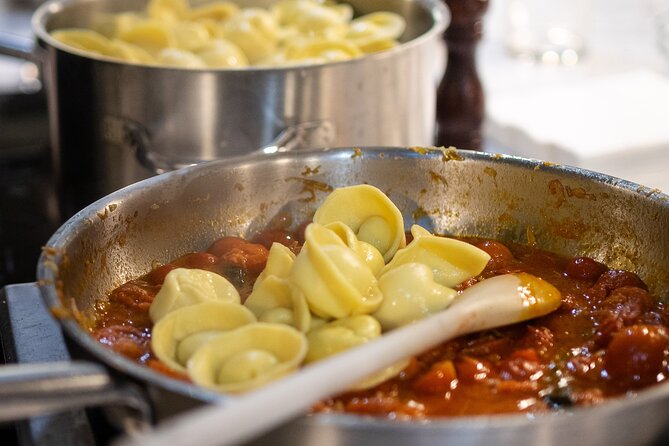
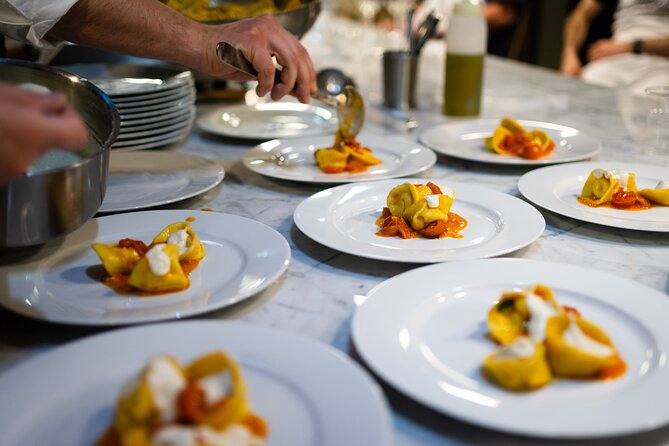
Once the pasta is underway, the class pivots to flavor. You’ll see seasonal sauces in the mix—often including styles like pesto and carbonara. The menu can vary with the season, and you may also see elements such as cheese fondue depending on what’s being prepared.
This is where your “Milan pasta understanding” grows. In Italy, pasta isn’t just pasta. The sauce choices tell you what a region thinks tastes best right now. Learning the sauce style gives you a shortcut for cooking at home later because you know what to look for beyond a vague flavor description.
Then comes lunch: you get your meal with wine. The class includes unlimited wine (soft drinks for children), served alongside the food you’ve made and the demonstration components. It’s a smart pairing choice because wine turns the meal into a proper sit-down experience, not an awkward break between lessons.
If you care about dining culture, this format helps you see how Italians treat cooking as social. You learn, you eat, you talk.
Practical note: some sessions aim for efficiency on serving. A common “gotcha” is that not everyone ends up eating the exact pasta portion they shaped, because the class’s pasta may be combined and served as a shared platter. It doesn’t mean the food is worse—it’s just worth mentally expecting that the plate might not match your personal handiwork 1:1.
You can also read our reviews of more tours and experiences in Milan



Gelato prep and the gelato cone method you’ll remember
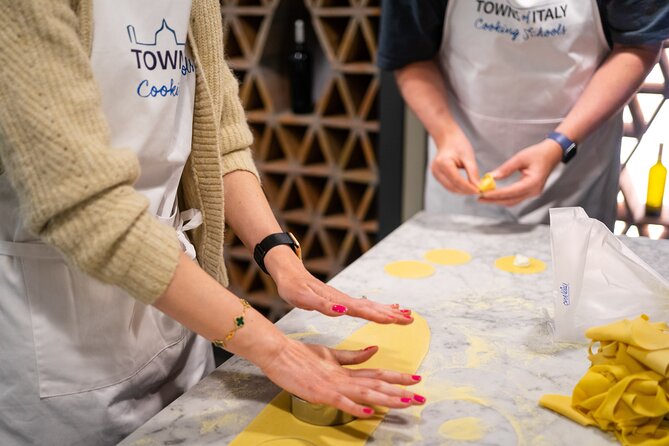
After pasta, you shift into gelato. You’ll watch an authentic gelato preparation demonstration and learn about the basics behind flavor and freezing technique. Gelato isn’t just “sweet cold cream.” The process matters.
One of the more memorable parts is the attention given to how gelato gets eaten. You’ll learn how to make the cone for enjoying gelato. That sounds small, but it’s the kind of detail that makes the lesson stick. It’s also useful when you’re trying to copy the experience later rather than just copying the dessert.
You’re not expected to run the whole gelato production line like a factory worker. But you do get the reasoning and the hands-on cues that help you understand how the texture comes together and why it tastes different from typical ice cream.
And yes, the gelato can be the best payoff in the whole class. When people talk about the class, gelato is usually one of the first things they mention.
Dessert schedule: gelato now, tiramisù starting March 1, 2026
Here’s a key detail for planning your timing in Milan. The dessert included will be gelato until March 1, 2026. Starting March 1, 2026, the dessert changes to tiramisù for classes.
If dessert is a big reason you’re booking, check the date before you commit. If you’re coming before March 2026, plan on gelato as the guaranteed finish. If you’re coming after, tiramisù becomes the sweet finale.
Either way, the class is still built around the same core idea: you learn cooking methods, and dessert is part of that learning—not just a random add-on.
Diet fit: vegetarian friendly, but not for celiacs
This is a good class for many diets, with one major limitation.
- Vegetarians are welcome. Advance notice is appreciated, and alternative recipes are available.
- The class also notes accommodation for intolerance/allergies with advance notice.
- The class is not suitable for celiacs.
So if you follow gluten-free due to celiac disease, you’ll want to pick a different experience. If you have other restrictions, communicate early so the team can plan alternatives that match the class structure.
This matters because pasta classes can go wrong quickly if ingredients aren’t handled thoughtfully. Here, the info given suggests they do plan alternatives rather than leaving you without options.
Also, if you bring kids, you’re covered in the sense that soft drinks are included. If you’re traveling as a family with teenagers, the class requires children/teens under 18 to be accompanied by at least one adult.
Group size and the instructor style that keeps it fun
You’re capped at 20 travelers, which changes the whole feel of the class. In a larger group, you might get stuck watching and hoping someone notices. Here, smaller numbers make it easier to get feedback and correct technique while you’re still in the mixing-and-shaping stage.
From what I’ve seen in how these sessions run, the instructors also tend to keep things interactive. Chefs may invite volunteers for demonstrations or encourage questions during the cooking and tasting phases. That helps if you’re visiting solo, because it makes conversation easier.
Also, some days can run even smaller than the cap. When groups are smaller, the lesson can feel more like a workshop than a show. Either way, the goal stays the same: hands-on pasta and a real gelato finish.
Take-home payoff: digital recipes and a graduation certificate
One reason I like cooking classes in Europe is that you can come home with a memory you can recreate. This one adds two items that help you do that: a digital recipe booklet and a graduation certificate.
The digital booklet matters because it’s not just a vague summary of what you made. It’s meant to help you reproduce your dishes at home. That’s especially useful for pasta, where small details—like dough feel, timing, and shaping—are what make the result succeed or fail.
The certificate is mostly for fun, but it also signals that the class is designed like a real learning experience, not a quick tasting. If you’re traveling with someone who loves collecting certificates or small keepsakes, this one fits the bill.
Who should book this Milan pasta and gelato class
This is a great pick if you want:
- a hands-on lesson instead of a sightseeing-only day
- fresh skills: how to make tagliatelle and ravioli, plus gelato methods
- a meal with wine that feels like part of the class
- a small group where you can actually ask questions
It’s also a good choice for couples and solo travelers. Solo travelers get built-in social time because the group stays together for the full session. Couples often like it because it gives you a shared project and then a shared lunch, instead of splitting your time between “what to do” and “where to eat.”
Families can do it too, as long as kids/teens follow the adult accompaniment rule. Just remember it’s not suitable for celiacs.
If you’re the kind of traveler who likes to go beyond eating and actually learn how a dish is built, this class is a very logical use of a half-day in Milan.
Should you book? My honest take on the value
Book it if you want a real skills lesson in Milan, not just a tasting. The biggest reasons are the combination of hands-on pasta, gelato preparation, and a sit-down lunch with wine, all delivered in a small group format. You also leave with digital recipes and a graduation certificate, which makes the class feel worth your time long after the last bite.
Skip or think twice if:
- you need a celiac-safe option (this one isn’t suitable)
- you strongly prefer eating the exact pasta you shaped (some sessions may combine pasta for serving)
- you’re likely to arrive late or struggle with finding the meeting point in the Central Market area
If you can show up early, bring curiosity, and like learning by doing, this is one of those Milan experiences that turns into a practical souvenir: pasta and gelato you can make at home.
FAQ
FAQ
What time does the class start?
The class starts at 11:00am.
How long is the experience?
It runs for about 3 hours.
Where do I meet for the class?
You meet at Towns of Italy – Cooking School in Milan, inside the Mercato Centrale area: Via Giovanni Battista Sammartini, 1/Primo Piano, 20125 Milano MI, Italy.
Is hotel pickup or drop-off included?
No. Pickup and drop-off at the hotel are not included.
What is included in the meal?
You get lunch with wine and soft drinks, along with the food from the pasta and gelato portions of the class.
Is tiramisù included?
Tiramisù will be included starting March 1, 2026. Until then, the dessert is gelato.
Are vegetarians allowed?
Yes. Vegetarians are welcome, and alternative recipes are available if you share dietary restrictions in advance.
Is this class suitable for celiacs?
No. The class is not suitable for celiacs.
Can children or teens attend?
Children/teens under 18 must be accompanied by at least one adult.