REVIEW · MILAN
Cooking class The Rockin Kitchen
Book on GetYourGuide →Operated by The Rockin Kitchen · Bookable on GetYourGuide
Pasta night comes with a dance soundtrack. The Rockin Kitchen is a hands-on Milanese loft class near Balera dell’Ortica, where every step gets a rhythm thanks to a studied song-timed soundtrack.
I like this format because it’s not just watching or memorizing—it’s doing. You’ll shape cappelletti and learn fresh pasta techniques yourself, and you also get a 40-minute aperitivo with piadina romagnola cooked live.
One consideration: this evening isn’t a good fit if you need vegan food, gluten-free options, or special care for diabetes, since it’s centered on classic dishes and wine.
In This Review
- Key takeaways before you go
- The Rockin Kitchen in Milan: what the 3 hours really feel like
- Entering the loft by Balera dell’Ortica: the setting and your first impression
- Pasta prep in a song-timed rhythm: how the lesson actually works
- The aperitivo break: wine, piadina romagnola, and other Italian bites
- Cappelletti and tagliatelle by hand: what you’ll make and why it matters
- Dessert at the end: tiramisu as the full-stop finale
- Price and value: is $112.15 worth it?
- Who should book this class in Lombardy, and who should skip it
- Practical tips for your pasta night
- Should you book The Rockin Kitchen?
- FAQ
- How long is The Rockin Kitchen cooking class?
- What dishes will I learn to make?
- What’s included in the price?
- Is extra wine included?
- What languages are the instructors?
- Is it suitable for vegans or gluten intolerance?
Key takeaways before you go
- Song-guided timing: pasta steps follow famous songs designed to keep you on track.
- Loft location near Balera dell’Ortica: you’re close to a well-known Milan nightlife spot, which helps set the fun mood.
- Aperitivo first, then pasta: a 40-minute wine-and-snacks break keeps the night moving.
- Hands-on cappelletti and tagliatelle: you’ll do the shaping, not just learn about it.
- Small group size (up to 10): the class format stays personal.
- Tiramisu finish: dessert caps the evening you just cooked.
The Rockin Kitchen in Milan: what the 3 hours really feel like
This is a Milan cooking class built for people who want to eat well, learn by doing, and still have energy at the end of the meal. The big difference is the way the class is paced: instead of a purely lecture-style timeline, you cook to a soundtrack where the timing has been planned around famous songs.
You’ll spend the evening making fresh pasta and two classic shapes: cappelletti and tagliatelle. You’ll also get an aperitivo course—wine plus piadina romagnola prepared live—before the second cooking round. Then you finish with tiramisu, so the night lands as a full meal rather than a short taste-and-go experience.
If you’re comfortable with active, hands-on cooking and you enjoy music-driven group fun, this format makes a lot of sense. If you prefer quiet, watch-from-the-side classes, the constant music and dancing cues may not match your style.
You can also read our reviews of more cooking classes in Milan

Entering the loft by Balera dell’Ortica: the setting and your first impression
The class happens in a Milanese loft, right next to the famous Balera dell’Ortica. That matters because it gives you the sense you’re walking into a real part of Milan life—not a remote workshop where everything feels staged.
You’ll meet at a simple point: ring the bell at Riva. From there, the night stays easy and contained, ending back at the meeting point once everything is done. So you don’t need to plan extra transport once you arrive—just show up, get oriented, and focus on cooking.
Inside, you’re told the house is inhabited by cats, but they’re not present during the experience. It also says the environment is always sanitized. In other words, you get the charm of a real building without the mess and without wondering how clean it is.
Pasta prep in a song-timed rhythm: how the lesson actually works
The first part of the evening starts with fresh pasta preparation in the loft. What makes it memorable is the structure. Each step is supported by the most famous songs, and the soundtrack has been studied to help with timing—so you don’t just figure things out by guesswork.
Here’s what that changes for you. When pasta is moving (mixing, kneading, rolling, portioning), it’s easy to lose the thread—especially if you’re new. The music functions like a countdown and a cue system. You get a sense of when you should be moving to the next step, which makes the learning curve feel less stressful.
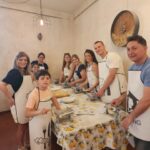
The instructors speak English and Italian, and the class is limited to 10 participants. That size helps you stay involved. You’re not swallowed by a crowd, and you can ask questions when something feels unclear. In the reviews, the vibe around the instructors—Simone and Matteo—comes through as both fun and skilled, with a relaxed tone that still keeps the technique on track.
The aperitivo break: wine, piadina romagnola, and other Italian bites
After the pasta preparation steps, you get a 40-minute aperitif. This is a smart choice in a class like this. It prevents the evening from feeling like nonstop labor, and it also gives you a chance to settle into the group energy before the second cooking round.
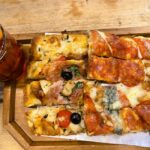
During the aperitivo, you’ll taste good wine, plus piadina romagnola prepared live in front of you. The class also includes other topical Italian food. You’re not left waiting around with only bread and vibes—you’re given a proper snack-and-sip intermission.
This part is also one of the best ways to experience the contrast built into the evening: first you’re focused on dough and technique, then you switch to eating and conversation with wine while someone cooks additional regional comfort food.
One more practical point: the class includes wine, but extra wine and cocktails are not included. So if you know you drink a lot, plan to budget for that separately.
Cappelletti and tagliatelle by hand: what you’ll make and why it matters
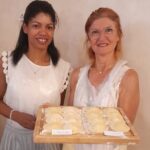
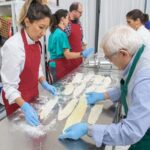
The second part of the evening is where the course turns into real cooking work. You’ll proceed with preparing cappelletti and tagliatelle. The key detail is that it’s by hand—meaning you learn the process of shaping and finishing these dishes yourself.
That’s valuable even if you’re not planning to become a pasta-maker back home. There’s a difference between reading about pasta shapes and doing them once with an instructor standing nearby. You’ll pick up the feel for dough consistency, handling, and portioning. And because the evening uses music cues for timing, you’re more likely to remember the order of steps rather than just the final product.
The final stage is tasting. Once your pasta work is finished, you sit down and eat what you made. That turns the class from a skill workshop into an actual meal experience, which is exactly what you want from a paid night out.
And yes, the whole evening is designed to be fun. The soundtrack is part of the teaching—so much so that it encourages dancing and singing. The goal isn’t just entertainment; it’s that you’ll leave with procedures you can repeat, because you stayed engaged while learning them.
You can also read our reviews of more tours and experiences in Milan




Dessert at the end: tiramisu as the full-stop finale
The night ends with tiramisu. After pasta making, aperitivo, and tasting your own dishes, dessert can feel like an afterthought. Here, it’s treated as the finish line.
Why that matters: cooking classes sometimes stop right when you’re hungry and distracted. A planned dessert keeps the evening satisfying from start to finish. It also gives you a natural endpoint, especially since the experience runs about 3 hours total.
If you like the classic combination of pasta + wine + dessert, this timing is a good match. If you’re sensitive to how much food you’ll eat in a single evening, remember this class includes food, wine, and the dessert—so pace yourself during the aperitivo and the tastings.
Price and value: is $112.15 worth it?
At $112.15 per person for a 3-hour class, you’re paying for more than a recipe. You’re paying for a small group, hands-on instruction, and a complete meal structure: fresh pasta work plus a dedicated aperitivo block with wine and piadina romagnola cooked live, then a tiramisu finale.
The value is in the combination:
- You actively make cappelletti and tagliatelle, not just observe.
- You eat along the way, with wine and additional Italian bites during the aperitivo.
- You get the full experience design, where the soundtrack is integrated into timing and learning.
If you’re the type who learns best by doing, this price feels more justified. If you mainly want food with zero cooking involvement, you might decide you’d rather eat at a restaurant instead. But for a short, social night in Milan that includes instruction and a meal you cooked, this is the kind of class that earns its cost through time, effort, and the meal you take home emotionally, if not literally.
Who should book this class in Lombardy, and who should skip it
This is a great match if you want a Milan cooking class that feels like an event. You’ll enjoy it most if you:
- like hands-on food experiences
- enjoy music and group energy
- can eat classic Italian dishes that include pasta and wine
It’s not suitable for certain people, based on the listed rules:
- Wheelchair users
- Vegans
- People with diabetes
- People with gluten intolerance
- People over 95 years
Also, the class is in a loft, and the evening is structured around cooking and movement. If you have mobility concerns, it’s worth thinking carefully before booking, since wheelchair access isn’t offered.
Practical tips for your pasta night
A few simple things will help you enjoy this more:
- Show up hungry and ready: the evening includes wine, food during aperitivo, the pasta you make, and tiramisu.
- Bring your appetite for technique: you’re learning fresh pasta and two specific shapes, so pay attention to the step-by-step timing cues.
- Expect music-driven energy: the soundtrack is a core part of the class rhythm, not background noise.
- Plan for dietary realities: because it isn’t suitable for vegans or gluten intolerance, pick another option if you need strict substitutes.
- Don’t worry about cats during the session: cats live in the house, but they’re stated as not present during the experience.
Should you book The Rockin Kitchen?
If you want a 3-hour Milan experience that mixes real pasta-making with an aperitivo break, wine, and a finish of tiramisu—while keeping the steps fun with a song-timed soundtrack—this class is a strong choice. The small group size (10 max) and the instructor energy around Simone and Matteo help it feel personal without turning it into a formal classroom.
Skip it if you’re vegan, gluten-free by necessity, managing diabetes, need wheelchair accessibility, or prefer a quiet cooking session. For everyone else who wants a hands-on pasta night with food you actually make and music you can sing along to, I’d book it—especially if you’re only in Milan for a short stay and want one evening that covers multiple parts of Italian eating culture in one go.
FAQ
How long is The Rockin Kitchen cooking class?
The experience lasts about 3 hours. Start times depend on availability.
What dishes will I learn to make?
You’ll prepare fresh pasta by hand and make cappelletti and tagliatelle.
What’s included in the price?
The price includes the cooking class, food, wine, and an apron.
Is extra wine included?
Extra wine and cocktails are not included. Wine is included, but anything beyond that is an add-on.
What languages are the instructors?
The instructor teaches in English and Italian.
Is it suitable for vegans or gluten intolerance?
No. The experience is not suitable for vegans or people with gluten intolerance.