REVIEW · MILAN
Milan: Pasta, Ravioli, and Gelato Class in a Glamorous Home
Book on GetYourGuide →Operated by Cooking Class in Italy · Bookable on GetYourGuide
Fresh pasta in an art-filled palace. That’s the hook: you learn tagliatelle and ravioli from scratch, plus tiramisù and gelato, inside a downtown Milan home that feels more museum than classroom. It’s also not just cooking steps. You’re handed down techniques, with the vibe of a real family kitchen, where nonna-style teaching matters as much as the food.
Two things I really like: first, the location. You’re a short walk from the Duomo area, and the workshop is a tiny hop from the Coni Zugna subway stop, so the evening feels easy to fit into a tight itinerary. Second, the drinks and ingredients are part of the experience—homemade limoncello and organic wine (grown without pesticides) show up with dinner, and the class clearly treats quality as non-negotiable.
One possible drawback: if you’re expecting a huge feast, the meal is tasty but some people note the portions can feel modest at the end of a hands-on session. Also, there’s an age restriction for kids, and the class is held in English (with other languages only for specific requests/private groups).
In This Review
- Key things you should know before you go
- Entering the historic home: where the “class” feels like a visit
- What you actually cook: tagliatelle, ravioli, tiramisù, and gelato
- Tagliatelle with tomato sauce
- Ravioli from scratch, with a Michelin-starred touch
- Tiramisù and gelato flavors you can name and repeat
- You eat your creations
- The limoncello and organic wine moment (it’s not just extra)
- Learning beyond recipes: how the “family” style helps you cook later
- Timing, group size, and the real pacing of a 3-hour class
- Who this class suits best (and who should pick another plan)
- Price and value: why $88 can be a fair deal
- Practical tips to make your evening smoother
- Should you book this Milan class?
- FAQ
- How long is the class?
- How much does it cost?
- Where is the meeting point?
- What language is the lesson taught in?
- How big is the group?
- What will I cook in the class?
- What food and drinks are included?
- Can children join?
- What should I bring?
- What equipment or strollers are not allowed?
- Is there a cancellation policy?
Key things you should know before you go
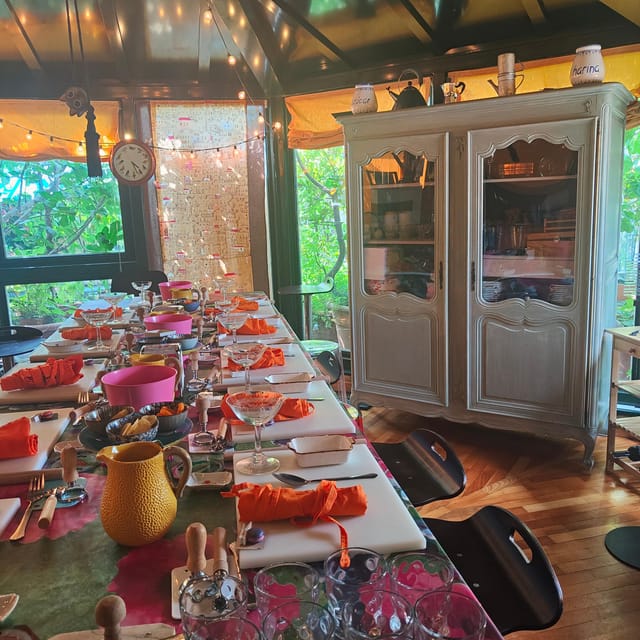
- A real family-home setting in central Milan, with 16th-century art and antique furnishings around you
- Made-from-scratch pasta plus ravioli filling (with a filling created by a Michelin-starred chef)
- You’ll taste what you make: tagliatelle, ravioli, tiramisù, plus gelato in included flavors
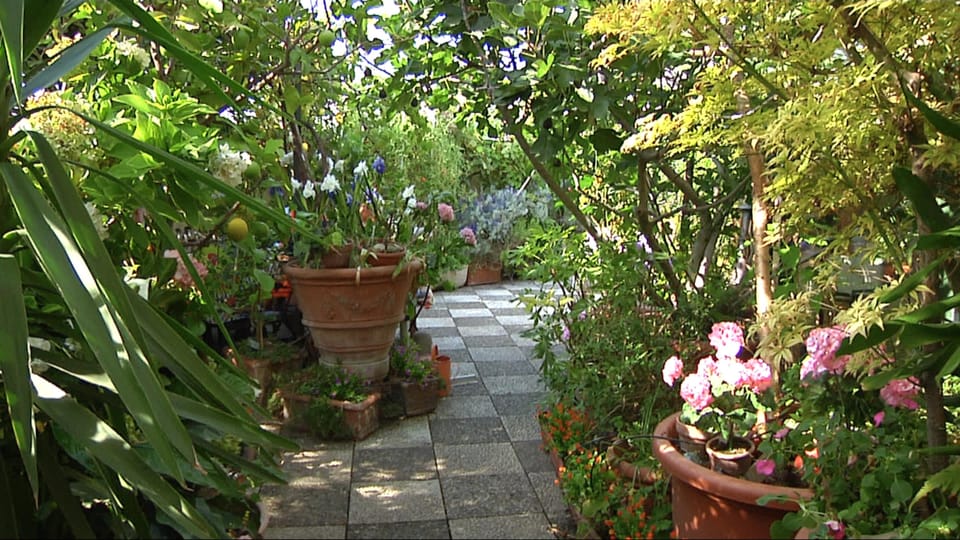
- Homemade limoncello made with lemons from a terrace, alongside organic wine at dinner
- Small group size (up to 10), with instruction always in English
Entering the historic home: where the “class” feels like a visit
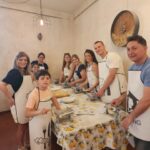
This isn’t a kitchen studio. It’s an elegant home in central Milan, in the Designer and Fashion area, where you walk in and immediately notice the surroundings—paintings and antique furnishings that give the whole experience a museum-like feel. You’ll spend time in spaces that look curated, but the energy is practical: people are there to cook, taste, and learn.
Logistically, it’s also more convenient than a lot of cooking classes. The building is about 20 meters from the Coni Zugna subway stop (blue line), and you can reach it with minimal fuss. If you’re staying near the Duomo, it’s roughly a 20–25 minute walk—close enough that you can pair it with a day of sightseeing without needing a complicated plan.
The vibe tends to be social, but not chaotic. The class caps at 10 participants, which matters because everyone actually gets hands-on time with dough, fillings, and dessert prep. From what you’ll see in the guide lineup, teaching style varies, but the goal stays the same: you should leave knowing what to do next time, not just having watched someone else do it.
You can also read our reviews of more cooking classes in Milan

What you actually cook: tagliatelle, ravioli, tiramisù, and gelato
The menu is the heart of the experience. You’re not just building a single dish—you’re making several Italian classics in a way that teaches technique.
Tagliatelle with tomato sauce
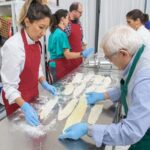
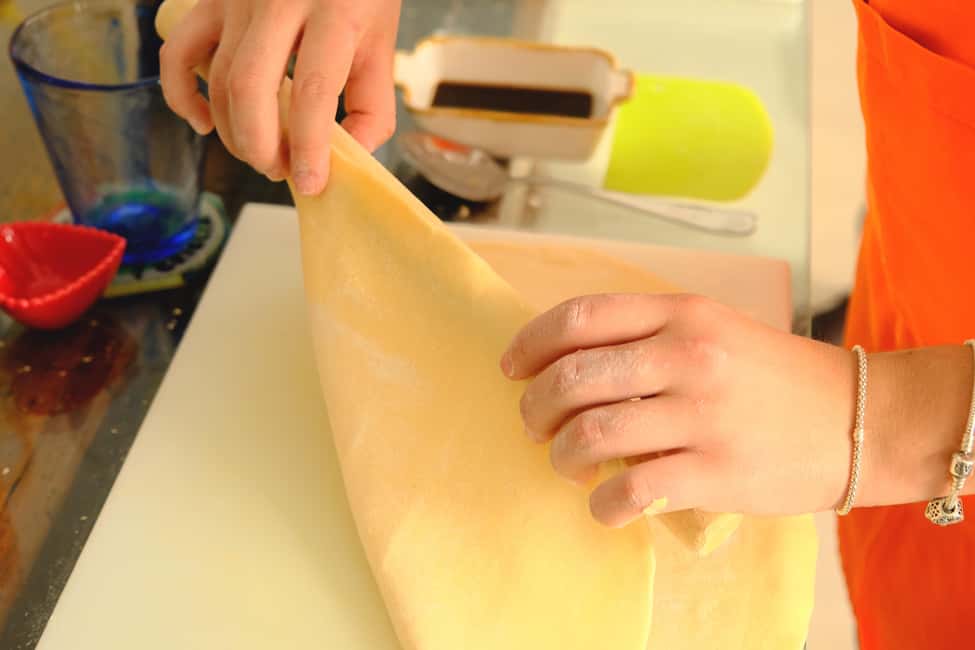
You start with pasta basics: making fresh pasta dough, working it, shaping it into tagliatelle, then pairing it with tomato sauce. Even if you’ve cooked at home before, this is the kind of process that trains your hands. You learn how the dough should feel and how to work it smoothly enough to roll thin and cut clean.
For a first-timer, tagliatelle is a smart anchor. It teaches you pasta discipline without forcing advanced shapes. For someone with experience, it’s still a good reset because you’re doing it with a local approach and a real teachable framework.
Ravioli from scratch, with a Michelin-starred touch
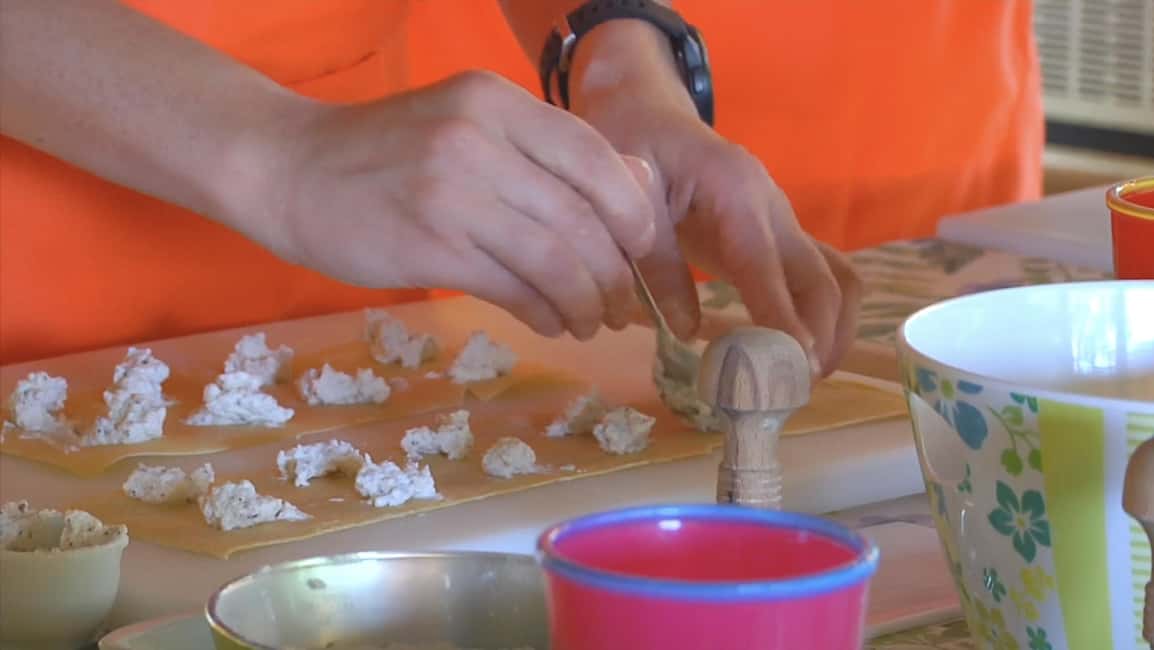
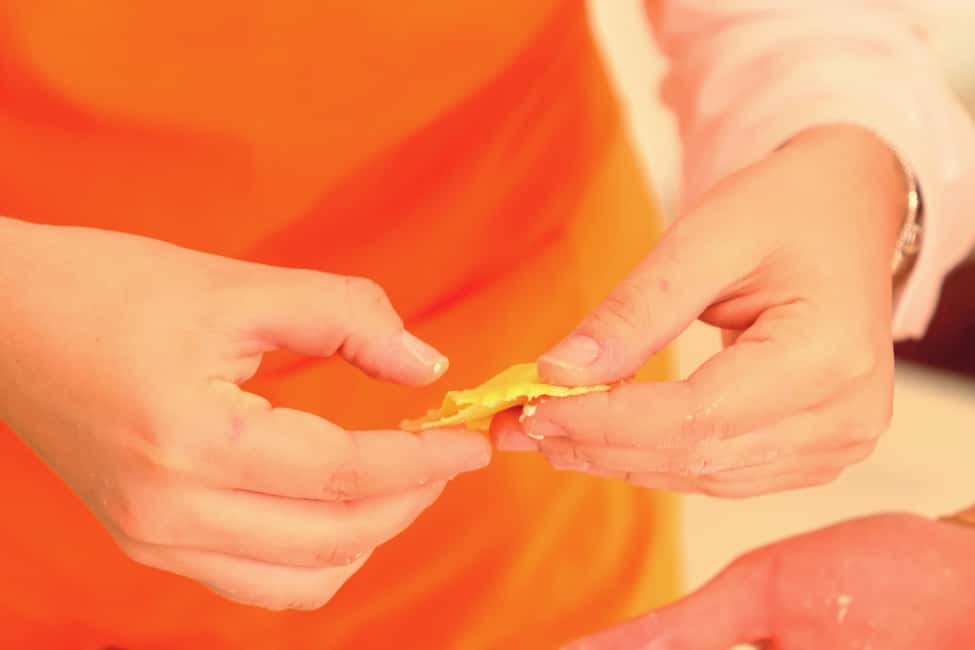
Then comes the main event for many people: ravioli. You’ll make ravioli dough and assemble parcels from scratch. The filling is a standout—created by a Michelin-starred chef and built with butter and sage.
That detail matters for your learning. When the filling is already designed for balance and flavor, you can focus on the things you control: portioning, sealing, and keeping the ravioli intact. It also gives you a flavor profile that feels unmistakably Italian but still clear enough to recreate later.
Tiramisù and gelato flavors you can name and repeat
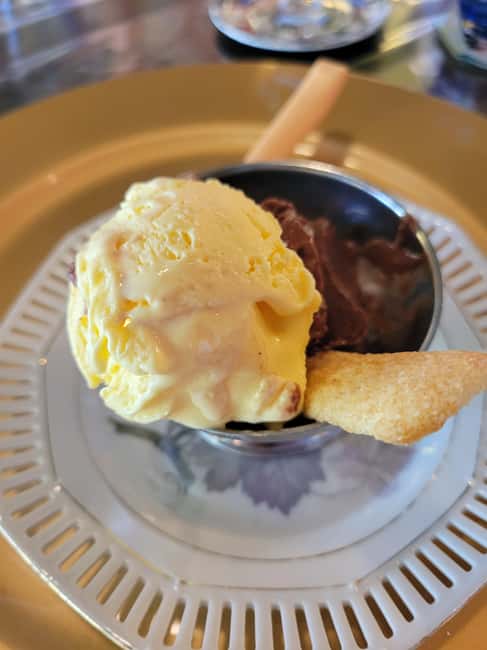
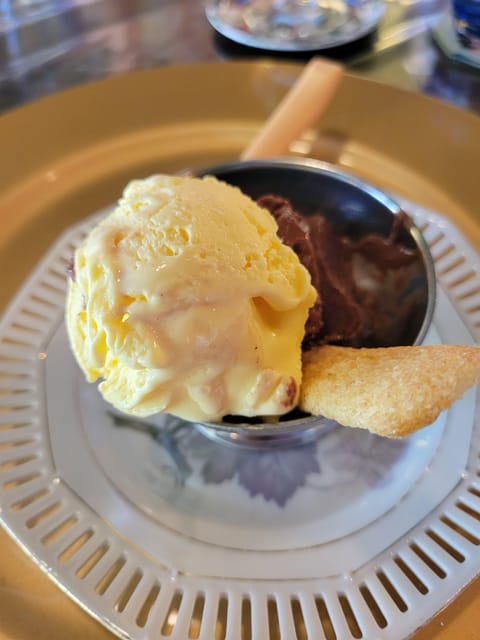
Italian dessert is where this class becomes memorable. You’ll learn to prepare tiramisù, and gelato is also part of what you get to make and eat. Included gelato flavors are listed as tiramisù flavor and chocolate.
This combo is a clever choice for home cooks. Tiramisù teaches technique and assembly, while gelato teaches timing and texture thinking. Together, they cover two common ways Italians turn cream and flavor into something you can serve with confidence.
You can also read our reviews of more tours and experiences in Milan



You eat your creations
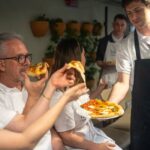
At the end, you sit down and eat the classics you prepared. This part is underrated: many cooking classes stop at finishing steps. Here, the design is to let you taste your own pasta and dessert while the day is still fresh in your head—plus wine and limoncello bring it all together.
The limoncello and organic wine moment (it’s not just extra)
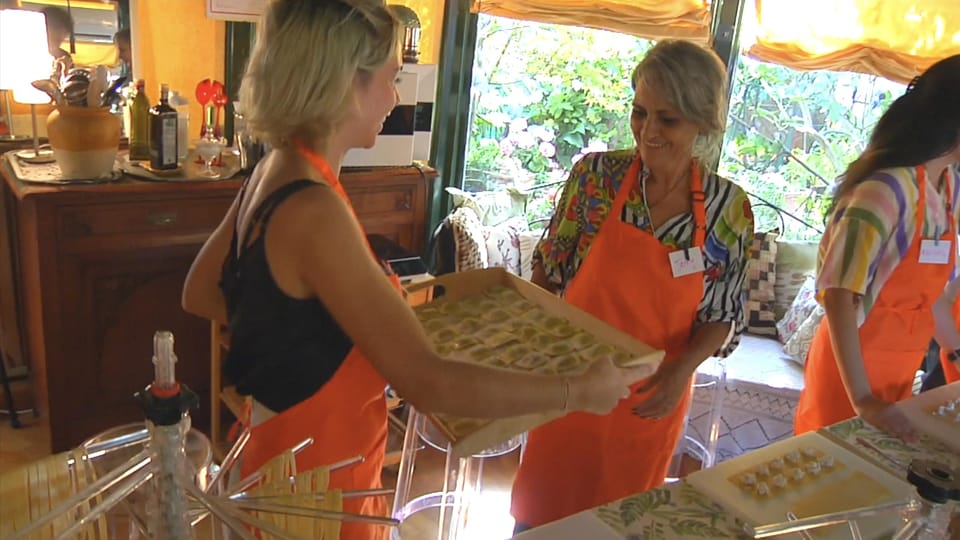
This class includes drinks that actually match the theme. You’ll sip homemade limoncello, prepared with lemons from a terrace, and dinner includes organic wine (grown without pesticides) or a soft drink. The organic wine is listed as about one quarter bottle per person.
Why does this matter for value? Because you’re not paying extra to sit next to food. The limoncello and wine are timed with the meal itself, so they feel like part of the flow. They also help the class become more than cooking technique—it turns into a social Milan evening.
If you’re pairing this with sightseeing, remember this is 3 hours. The pace is energetic but not rushed, and you’ll likely want water on hand since you’ll be mixing, rolling, tasting, and serving.
Learning beyond recipes: how the “family” style helps you cook later
The big promise here is family tradition. The class frames Italian cuisine as part of UNESCO World Heritage recognition and then translates that into practical teaching: handed-down methods, refined over generations.
What you can take from it:
- You’ll get specific guidance on dough feel and handling, not vague advice.
- You learn how to assemble ravioli so they don’t burst or become frustrating.
- You get a recipe booklet by email afterward, so your memory has backup.
Also, the instructor experience seems to vary, but you’ll repeatedly see names like Bruna, Laura, Marco, Federico, Katarina/Katerina, Luca, Paolo, and Pablo linked to the class. That tells you something important: this is not a generic production-line setup. People are drawn back because the teaching tone and hospitality matter.
One more detail that’s genuinely useful: the class is held in English. If you speak English, you’ll follow easily. If you don’t, the data says the teacher can help if you don’t understand English (and other languages are available on request, depending on the instructor). That reduces the “I can’t participate” anxiety that scares people away from cooking classes in a non-native language.
Timing, group size, and the real pacing of a 3-hour class
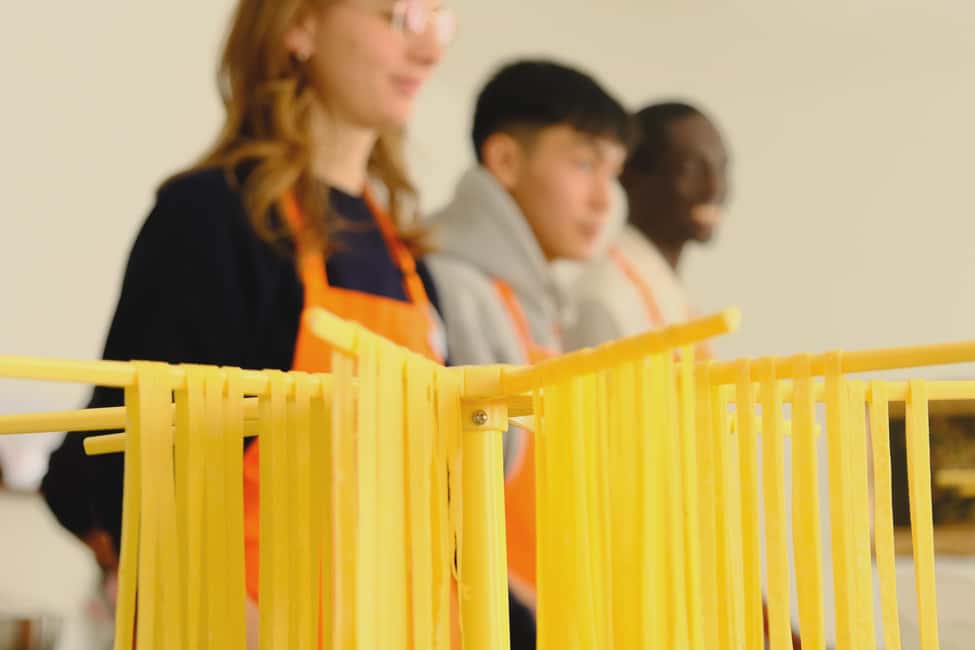
The duration is 3 hours, and the structure is naturally action-heavy. You’re making multiple components—pasta dough, tagliatelle shaping, ravioli filling and assembly, and dessert steps—so you should treat this like a hands-on workshop, not a slow tasting.
Small group size (up to 10) affects pacing in a good way. It means you can ask questions without waiting in line all evening. It also helps you catch mistakes early, especially for pasta and ravioli where timing and handling are everything.
From the feedback pattern, the class tends to feel lively and friendly. Some instructors lean funny and entertaining, and many emphasize clear step-by-step guidance. So even if you’re a beginner, you’re not just given dough and hope—you’re guided while you work.
Who this class suits best (and who should pick another plan)
This is ideal if you want:
- A central Milan activity that doesn’t rely on tickets or timed entry
- Hands-on cooking skills you can use at home
- A small-group social evening with dinner included
- An authentic home setting with art and antiques as part of the atmosphere
It may be less ideal if:
- You’re traveling with very young kids. The information lists children under 6 not allowed, and also states children under 7 aren’t suitable—so treat it as a strict minimum and confirm for your child.
- You use equipment that’s restricted. Strollers, baby carriages, and non-folding wheelchairs aren’t allowed.
Language-wise, it’s built for English speakers. If English isn’t your strength, you may still be fine, but you’ll want to request other languages in advance if that option applies to your group type.
Price and value: why $88 can be a fair deal
At $88 per person for 3 hours, the key question is what you’re paying for. Here, you’re not just paying for a one-dish lesson.
You’re getting:
- All tools and aprons
- Ingredients and instruction to make tagliatelle and ravioli from scratch
- Gelato included (tiramisù flavor and chocolate)
- Tiramisù training as part of the experience
- Dinner with what you prepared
- Homemade limoncello
- Organic wine without pesticides (about 1/4 bottle per person) or soft drink, plus water
- A recipe booklet by email
When you compare that to what it costs to buy ingredients and tools for fresh pasta at home—or to pay for a meal plus dessert plus drinks elsewhere—the price starts to look more reasonable. You’re also paying for time with a teacher in a real kitchen, plus the “place matters” factor: the elegant home setting with antique art makes it feel like a memorable experience, not just a class.
Practical tips to make your evening smoother
A few smart moves before you go:
- Wear comfortable clothes you don’t mind getting a little flour on.
- Plan around the 3-hour timing. Don’t schedule a “must be there” appointment right after.
- If you don’t cook often, don’t overthink it. The class is designed so beginners can succeed, while more experienced cooks still benefit from technique coaching.
- If you’re language-dependent, ask ahead if you need something other than English. The class notes instruction is always in English, with other languages handled only for private groups or requests depending on the instructor.
Also, if you’re hoping for maximum food volume, keep expectations realistic. The meal is included and tasty, but at least one set of feedback flags that the portion sizes may feel a bit small to people who eat big.
Should you book this Milan class?
If you want a real Milan evening—small group, hands-on cooking, a historic home setting, plus dinner with limoncello and organic wine—this is a strong pick. It’s especially worth booking if you care about learning pasta and ravioli technique you can actually repeat, not just collecting photos.
I’d skip it only if you need a huge, slow, sit-down-only food event, or if your child falls below the age limit. Otherwise, the combination of pasta craftsmanship, Michelin-starred input for ravioli filling, and the art-and-antiques setting makes it a standout way to spend 3 hours in Milan.
FAQ
How long is the class?
The class lasts 3 hours.
How much does it cost?
The price is $88 per person.
Where is the meeting point?
The meeting point is listed at a specific map link. It’s easiest by subway blue line to Coni Zugna, then use the escalator exit Coni Zugna–Via Foppa. The workshop building is about 20 meters from the stop.
What language is the lesson taught in?
The lesson is held in English. Other languages are available only for private groups (minimum 10) and upon request, depending on the instructor.
How big is the group?
The class is a small group limited to 10 participants.
What will I cook in the class?
You make pasta including tagliatelle and ravioli from scratch, and you also prepare tiramisù and gelato (tiramisù flavor and chocolate are included).
What food and drinks are included?
Included items include gelato, tagliatelle with tomato sauce, ravioli with a filling made with butter and sage, a meal with friends, homemade limoncello, water, and either organic wine (about 1/4 bottle per person) or a soft drink.
Can children join?
Children under 6 are not allowed, and the additional info also says it is not suitable for children under 7. Check the age requirement carefully for your child.
What should I bring?
Wear comfortable clothes.
What equipment or strollers are not allowed?
Baby strollers, baby carriages, and non-folding wheelchairs are not allowed.
Is there a cancellation policy?
Yes. Free cancellation is available up to 24 hours in advance for a full refund.