REVIEW · MILAN
Milan: ELECTRIC-Bicycle Tour Live Tour Guide 3 hours & half
Book on GetYourGuide →Operated by Segway Bike Walk Tour CITY GUIDED TOUR · Bookable on GetYourGuide
Milan’s best landmarks come at bike speed. This electric-assisted ride is a smart way to see the historic center without turning your day into a sore-feet contest, and you get a licensed live guide pointing out what you’re actually looking at. I especially like the way the route builds in major stops like Duomo Square, then keeps the story moving from medieval to Roman to modern Milan.
Two things stand out most: the small group size (just 6 participants) and the guide’s calm, organized approach. One watch-out: food and drinks aren’t included, so plan on bringing your own water/snacks before you start, especially since you’ll be on the bike for about 3.5 hours.
In This Review
- Key highlights to know before you ride
- Why an electric-assisted bike tour works so well in Milan
- Meeting at Cargo Bike Store and setting expectations for the ride
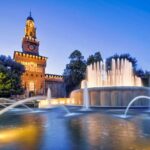
- Sforza Castle kickoff: history you can see, not just read
- Arco della Pace: a monument that works on the move
- Saint Ambrose and the medieval church vibe in Milan
- Roman Columns and the feeling of layers
- Canals and the quieter side between big monuments
- Stock exchange energy: Milan’s financial spine
- Piazza della Scala and Teatro alla Scala: the opera address
- Galleria Vittorio Emanuele II: architecture you can feel
- Piazza del Duomo: cathedral magic plus guided facts
- Piazza Mercanti to Brera: shifting from monuments to artists
- Group size, guide style, and why patience matters
- Timing and pacing: how 3.5 hours can still feel like a lot
- Value for $81: what’s included, what you’ll still pay
- What to wear and bring so the tour feels easy
- Who this Milan electric bike tour suits best
- Should you book it?
- FAQ
- How long is the electric-bicycle tour in Milan?
- Where does the tour meet?
- What is included in the price?
- Are food and drinks included?
- What languages are the guides available in?
- How big is the group?
- What are the key restrictions for participants?
Key highlights to know before you ride
- Electric-assisted biking helps you cover a lot of ground through central Milan without feeling cooked.
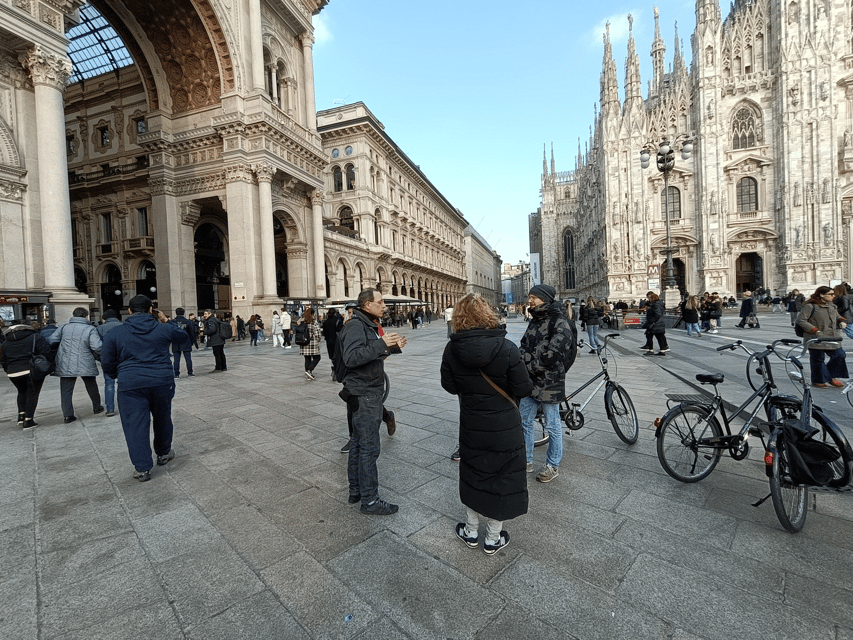
- Duomo Square stop gives you time to take in Milan’s cathedral and the monuments around it.
- Start at Sforza Castle with local commentary that makes the route easier to understand.
- La Scala area (Piazza della Scala) pairs key sights with context, not just photos.
- Brera district + Accademia courtyard adds an arts-focused contrast to all the grand squares.
- Very small group (max 6) keeps the ride comfortable and questions easy to ask.
Why an electric-assisted bike tour works so well in Milan
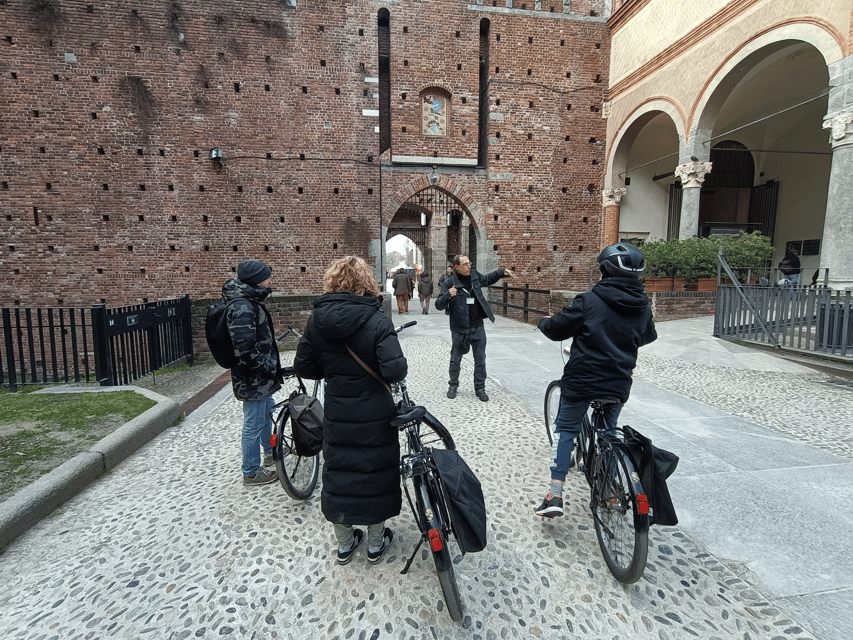
Milan looks best when you can keep moving. The center is packed with big-name squares, ornate buildings, and short stretches where you can go from one landmark to the next in minutes. The trick is doing it without losing the day to slow walking or constant taxi stops.
That’s where an electric-assisted bike tour earns its keep. You’re still riding—so you get that street-level feel—but the assist helps smooth out the pace. You’re not forced into a sprint to “keep up,” which means you can actually look at what’s in front of you. And with a helmet included, the whole setup feels practical rather than gimmicky.
The best part is how the experience is structured for a 3.5-hour window. It’s long enough to touch the big highlights, yet short enough that you’re not exhausted by the time you get back. This is the kind of tour that helps you get your bearings fast, then decide what you want to revisit later on foot.
One more value point: this is a licensed live-guided format, not a self-guided route. The guide’s job is to connect the dots—so the cathedral square doesn’t just look impressive, it becomes meaningful.
You can also read our reviews of more guided tours in Milan

Meeting at Cargo Bike Store and setting expectations for the ride
Your tour meets at Cargo Bike Store, where you’ll check in, get your bicycle, and get set for the route. Helmet use is required, and the tour provides the helmet, which removes a common hassle for visitors.
Because the group is limited to 6 participants, the experience tends to feel orderly. Small-group tours usually mean better spacing and fewer “where is everyone?” moments. It also makes it easier for the guide to notice if someone needs a slower stretch or a quick safety reminder.
There are also clear boundaries that tell you what kind of ride this is. High-heeled shoes aren’t allowed, and you need to avoid alcohol or intoxication. Pregnant women aren’t permitted, and the tour isn’t suitable for people over 287 lbs (130 kg). None of this is unusual for a bike tour, but it’s good to know up front so you can choose the right activity for your situation.
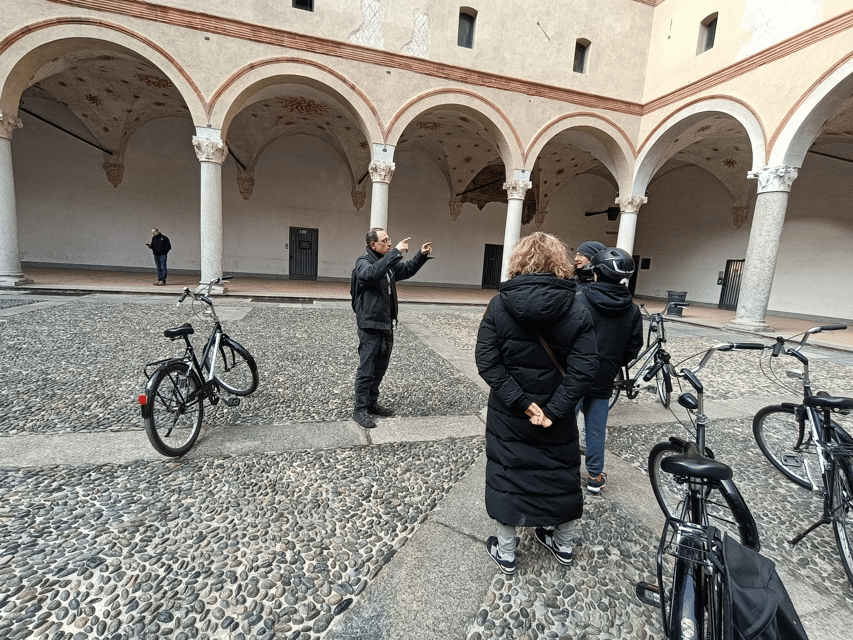
Sforza Castle kickoff: history you can see, not just read
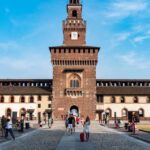
The tour starts at Sforza Castle, which is a smart first stop. It’s a landmark that signals Milan’s power and ambition, and it gives the guide a natural opening for the city’s long timeline. When you begin with context, the rest of the route makes more sense.
From there, you’re not just rolling past buildings—you’re learning what to look for as you move. That’s the biggest difference between a bike tour and a random photo walk. Even if you’ve read a few Milan facts online, having a local guide connect eras (medieval, Roman, later eras) helps you notice details you would otherwise skip.
Practical tip: start thinking of the ride as a sequence of “eras.” Castle, then arches and churches, then Roman remnants and newer city life, and finally major theater and art neighborhoods.
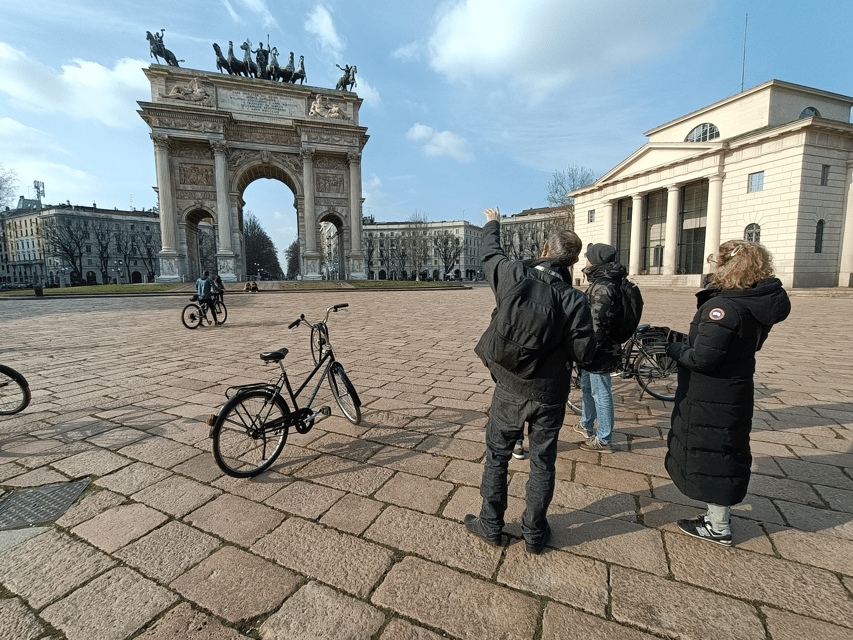
Arco della Pace: a monument that works on the move
Next up is the Arco della Pace, the Peace Arch. It’s one of those sights that feels more impressive when you view it while moving through the city, because the surrounding streets frame it like a stage. The guide’s commentary helps you understand it beyond the surface-level name.
On a bike tour, you get the advantage of timing. You can take a proper look, listen to the explanation, and still keep the momentum. That makes landmarks like this feel less like a stop you rush through and more like a meaningful waypoint.
Saint Ambrose and the medieval church vibe in Milan
You’ll ride to Saint Ambrose, one of the major medieval churches in the area. Churches can be tricky on a quick tour: they can become either a rushed exterior glance or a complicated interior visit. Here, the value is that you’re learning the why behind the sight as you pass through the city’s historic heart.
Even if you only take in what you see from outside, a good guide makes the architecture and location click. The key is that you’re not treating the church as a standalone photo background—you’re understanding it as part of how Milan grew and what mattered to its people.
You can also read our reviews of more tours and experiences in Milan

Roman Columns and the feeling of layers
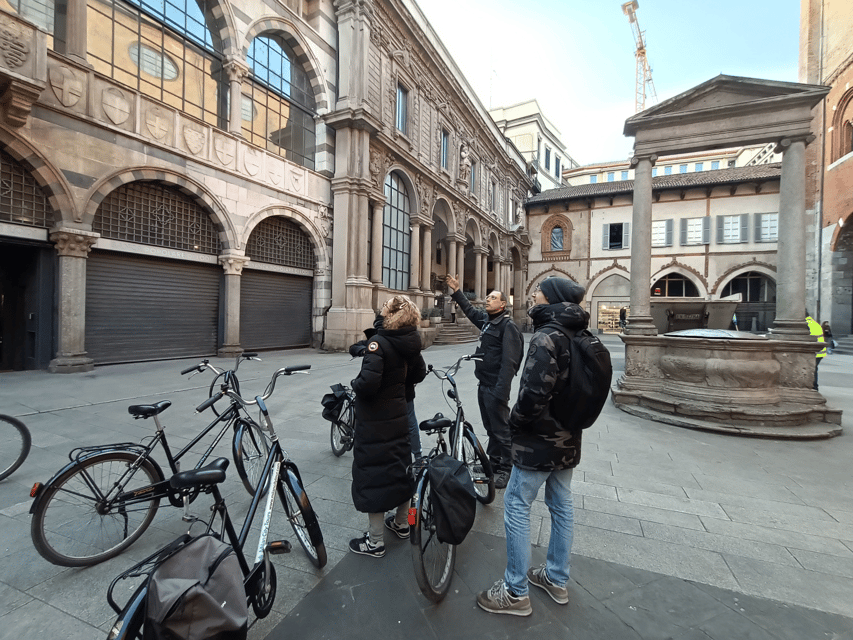
Then comes the Roman Columns. Milan isn’t just one era, and this stop is a reminder that the city has older roots beneath the later glamour. On foot, you might notice the columns and move on. On a guided bike route, you’re more likely to recognize why they matter and how they connect to the city’s longer story.
This is also where the electric assist helps again. Because you’re not struggling with pace, you can give attention to these smaller-but-important details instead of just chasing the next “big” sight.
Canals and the quieter side between big monuments
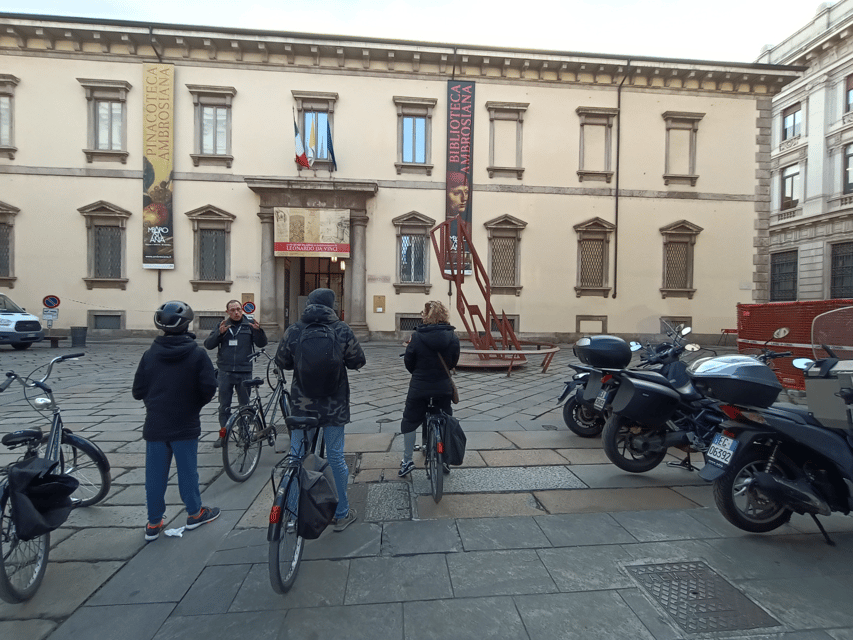
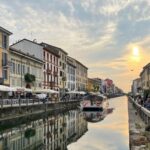
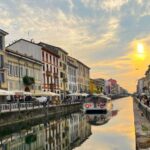
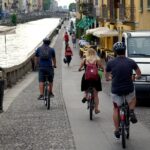
After the central monument cluster, the route heads toward the canals. This shift is valuable. Milan’s classic postcard sights are all about grand scale, stone, and crowds. The canal area adds a different texture, making the tour feel more like a real neighborhood journey rather than a checklist.
And because this portion sits between heavier landmark zones, it gives you a mental reset. You can breathe, look around, and then re-enter the grand squares with fresh energy.
Stock exchange energy: Milan’s financial spine
You’ll pass through the area near the stock exchange. This stop is about showing you another side of the city: Milan isn’t only art and architecture—it’s also commerce, finance, and modern influence.
A guided bike route helps here because it puts the financial district in the same narrative as the older sights you’ve already seen. It’s the difference between “I visited places” and “I learned what kind of city Milan is.”
Piazza della Scala and Teatro alla Scala: the opera address
Next is Piazza della Scala, home to Teatro alla Scala. This is a major moment in any Milan visit, and the tour uses it well. You’re guided through the square’s highlights, including Palazzo Marino, so you get more than a theater facade. The guide frames why the theater matters and how the square functions in the city.
If you’re an opera fan, this is obvious. If you’re not, it still works because the architecture and public space give you something to understand and react to. It’s one of the places where Milan’s identity feels extra visible.
Galleria Vittorio Emanuele II: architecture you can feel
Then you’ll see Galleria Vittorio Emanuele II. Even from the outside, this place has that “how did they build this” quality. The glass-and-stone grandeur stands out, and the tour uses it at the right time: after big open squares, it feels like a change of gear.
A guided electric-bike route makes the Galleria segment smoother because you’re not trying to fight traffic on foot while locating the correct turn. You arrive with context, so you know what you’re meant to notice.
Piazza del Duomo: cathedral magic plus guided facts
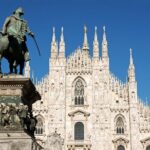
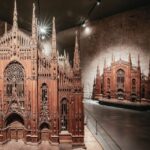
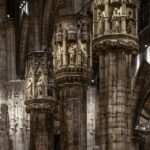
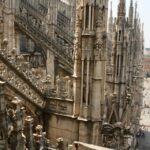
At Piazza del Duomo, you finally hit Milan’s most famous centerpiece: the massive cathedral and the monuments lining the square. This is your big visual reward, and the guide also uses the stop for learning—so the cathedral isn’t just a photo op.
The tour includes time to take it in, and you can learn what’s along the square around you, not just stare at the cathedral entrance and hope you guessed the right details. If you want a souvenir photo, the guide can take it for you in front of the iconic cathedral.
A small but meaningful point: because the ride is timed, you’re likely to feel you have breathing room here, rather than constant moving pressure. That’s what makes the Duomo stop work as the emotional anchor of the tour.
Piazza Mercanti to Brera: shifting from monuments to artists
From Duomo, the tour heads to Piazza Mercanti, then turns toward the Brera district. That shift is more than a geographic move. It changes the vibe from big landmark scale into a more local, creative neighborhood feel.
In Brera, you visit the courtyard of the Accademia di Belle Arti di Brera. Even if you’re not an art expert, the setting helps you understand why Brera became associated with artists. The guide also explains the history of Palazzo Brera and the neighborhood’s artistic identity, which gives this stop extra staying power.
If you plan to explore Brera after the tour, this is a great primer. You’ll know where the arts atmosphere comes from and what kind of streets and spaces you should linger on later.
Group size, guide style, and why patience matters
Small-group tours don’t just mean fewer people. They change how the experience feels day-to-day.
With a limit of 6 participants, you get a steadier rhythm. That matters when you’re riding an electric-assisted bike through a city center with frequent sight-to-sight changes. It also makes the guide’s attention more personalized. Based on the strong feedback for the guide, what stands out is friendliness, professionalism, and a patient teaching style—especially helpful if you’re not a confident cyclist or you haven’t used an electric-assisted bike before.
Guide names show up in feedback as Emilio/Émiliano/Emiliano, and the common thread is how supportive and helpful the guidance feels. One key takeaway for you: if you’re a little rusty on bikes, you’re not expected to perform. The guide’s job is to keep things safe and smooth.
Timing and pacing: how 3.5 hours can still feel like a lot
You’re on the bike for about 3 hours and half, moving through multiple neighborhoods and major landmarks. That sounds like a lot, but the electric assist keeps it from feeling like a workout.
The pacing also seems designed to minimize dead time. You start at Sforza Castle, hit a sequence of monuments, then move toward canals and financial landmarks, and finally close with Duomo and Brera. It’s not random. It’s a flow that matches how Milan is laid out: center-to-edge and back again, with arts neighborhood variety near the end.
If you’re the kind of traveler who likes a clear plan but doesn’t want your afternoon eaten by transit, this timing tends to be a good fit. You’ll finish with enough energy to wander afterward, especially if you focus on re-visiting the squares or streets you liked most.
Value for $81: what’s included, what you’ll still pay
The price is $81 per person for a 3.5-hour guided electric-assisted bicycle tour. Is that good value? For Milan, it can be, because you get several “hard to DIY” benefits bundled together:
Included:
- Bicycle use
- Live guide
- Helmet
Not included:
- Food and drinks
- Hotel pick-up and drop off
- Attraction entrance fees
That means the cost is really paying for transportation and interpretation. Since entrance fees aren’t included, treat this as a sightseeing and learning tour rather than a museum pass. If you’re expecting a lot of indoor ticketed visits, you might want to pair it with another activity later.
For many visitors, the best value is that the guide helps you prioritize. After seeing Duomo, La Scala, the Galleria, and Brera in one sweep, you’ll be able to plan your follow-up time with more confidence.
What to wear and bring so the tour feels easy
This is where small choices make a big difference. Since high-heeled shoes aren’t allowed, stick to comfortable footwear that works on city streets. You’ll be wearing the provided helmet, so you might want a hat or sunglasses if you’re sensitive to sun.
Because food and drinks aren’t included, bring what you’ll need to stay comfortable—especially water. Think of it like a half-day outing: you’ll be moving, stopping, and listening.
And if you’re traveling with any constraints, read the limits carefully. The tour isn’t permitted for pregnant women, and it’s not suitable above 287 lbs (130 kg). If those apply, look for another Milan format that better matches your needs.
Who this Milan electric bike tour suits best
I’d point you toward this tour if:
- You’re short on time and want major Milan highlights in one guided sweep
- You want a small-group experience with a real guide, not just a map
- You’d rather bike through the city than spend the day only walking
- You’re curious about the story behind the landmarks, from medieval church life to Roman-era leftovers and arts-town Brera
I’d be more cautious if:
- You want lots of indoor museum time (entrance fees aren’t included, and the format is more outdoor/seeing-based)
- You can’t meet basic requirements like helmet use and shoe rules
- You’re in any of the not-permitted or not-suitable categories listed for the tour
Should you book it?
Book this tour if you want a high-return first pass through Milan’s center—especially if you like architecture, big public squares, and understanding what you’re looking at while you’re there. The electric-assisted bike format is the kind of practical upgrade that helps you cover more without feeling wrecked, and the small group size keeps the ride comfortable.
Skip (or compare) if you’re trying to build an itinerary around ticketed museum entrances, or if the riding rules won’t work for you. For everyone else, this is one of the more efficient ways to see the city’s headline sights and still feel like you learned something along the way.
FAQ
How long is the electric-bicycle tour in Milan?
The tour lasts about 3.5 hours.
Where does the tour meet?
The meeting point is at Cargo Bike Store.
What is included in the price?
The tour includes bicycle use, a live guide, and a helmet.
Are food and drinks included?
No, food and drinks are not included.
What languages are the guides available in?
The live tour guide offers English and French.
How big is the group?
The group is limited to 6 participants.
What are the key restrictions for participants?
High-heeled shoes aren’t allowed, and intoxication is not permitted. Pregnant women are not permitted, and the tour isn’t suitable for people over 287 lbs (130 kg).