REVIEW · MILAN
Milan: Segway Tour with Local Tourist Guide Live – 3 hours & half
Book on Viator →Operated by City Guided Tour · Bookable on Viator
Milan on a Segway feels like skipping a few pages of walking. I like that this 3.5-hour ride packs real city highlights into a manageable route, and I especially like the local touch from guide Emilio, who keeps things safe and actually adjusts the pacing. You’ll get the sights close up without turning your feet into sandpaper, and you’ll learn how Milan grew from its canals, churches, and civic life. One catch: it does require moderate physical fitness and good weather, since you’re doing most of it outdoors.
I also love the mix of big-name stops and the small moments in between, including the canal-area feel around Darsena and the medieval city details that you’d miss if you only rush to the Duomo. Your tour ends where it starts on Via Lecco, and you can plan to step off for quick breaks (the Duomo piazza has a cafe option that’s ideal for a reset). If you want museum ticket time inside monuments, just note that some entrances aren’t included and a few views are kept outdoors.
In This Review
- Key things you’ll notice on this Milan Segway tour
- Why a Segway is the smart way to see central Milan
- Meeting at Via Lecco and getting comfortable before traffic
- Skyline of Milan: the quick hit of perspective
- Brera District: palace history and the artist quarter feel
- Arco della Pace: a neoclassical pause by Parco Sempione
- Castello Sforzesco: Milan’s big symbol, minus the guesswork
- Sant’Ambrogio and Roman traces: religion and older Milan’s footprint
- Darsena: the canals’ edge and the trade story
- Piazza Mercanti: medieval civic life in a small square
- Duomo di Milano and Piazza della Scala: big outdoor views, not deep-ticket time
- Galleria Vittorio Emanuele II: the arcade as a last-style stop
- How good is the value at about $90 per person?
- What I’d watch for before you book
- Who this Milan Segway tour is best for
- Should you book this Segway tour of Milan?
- FAQ
- How long is the Milan Segway tour?
- What does the tour cost?
- Where does the tour start?
- What language is the tour offered in?
- Is food or drinks included?
- Are admission tickets included?
- Does the tour include transportation to or from your hotel?
- How many people are in the group?
Key things you’ll notice on this Milan Segway tour
- A local guide who customizes timing so you don’t feel herded from stop to stop
- A small group (up to 8) for easier safety checks and smoother riding
- Sforza Castle + Sant’Ambrogio in the same run, so you connect the city’s power and faith
- Canal history around Darsena with practical context about trade and building
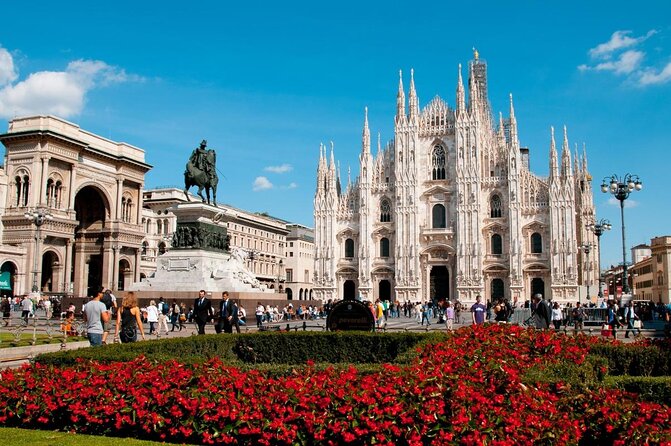
- Duomo and La Scala mostly from outside, best for photos and orientation
- Helmet included plus an early practice period so you feel steady before traffic
Why a Segway is the smart way to see central Milan
Milan has a knack for making you want to do three things at once: look up, look around, and plan your next step. A Segway tour turns that into something far less stressful. Instead of bouncing between tram stops and slow sidewalks, you cover ground in a way that keeps your eyes free for details like street layout, square geometry, and how neighborhoods shift.
You’ll move through major sights and also get the “why” behind them. One big theme on this kind of route is that Milan is not just monuments. It’s governance (medieval civic spaces), religion (old Lombard-era churches), and commerce (canals that shaped movement of goods). The guide’s job is to connect those dots while you’re still moving, so the city starts to feel like one story, not a folder of postcards.
And yes, it’s fun. If you’ve been on Segway tours before, you already know the appeal: you get the sensation of mobility without the strain of constant walking. If you haven’t, you’ll likely spend the first minutes learning control and balance. The key is that the pace is designed to get you comfortable before you hit busier areas.
You can also read our reviews of more guided tours in Milan



Meeting at Via Lecco and getting comfortable before traffic
The tour starts at Via Lecco, 18, 20124 Milano, and it returns to that same point. That matters more than it sounds, because you don’t waste time with complicated transfers at the start or end. You also know you’ll have a clear “home base” if you need a quick restroom stop during the day.
You’ll be given helmet use, and the operator uses a guide setup that includes both a local guide and a professional guide. That usually means two things: someone understands the city from the inside, and someone focuses on guiding skills and rider safety. On this particular experience, safety gets real attention—especially at the start, when you’re learning the Segway rhythm.
Practical tip: treat the first minutes like warm-up, not “just learning a toy.” When you feel smooth and predictable on the Segway, the rest of the tour turns into easy sightseeing instead of mild stress.
Skyline of Milan: the quick hit of perspective
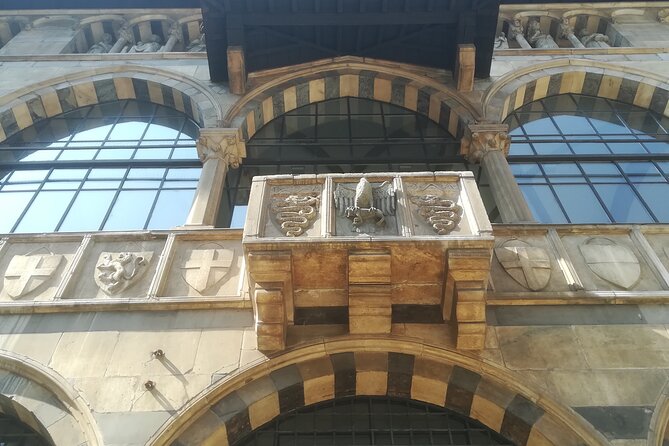
The first stop is the Skyline of Milan. Think of this as your visual calibration. Before you go into the older districts and landmark squares, you get a chance to see how Milan stacks its layers—older cores, modern sections, and the way different neighborhoods sit next to each other.
This kind of start is more useful than it looks. Once you’ve got that wide view in mind, the later stops land better. You’re not only collecting photos; you’re building a mental map.
Brera District: palace history and the artist quarter feel
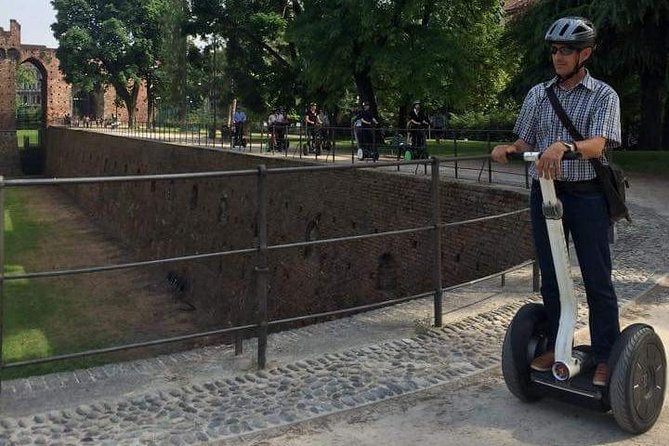
Your ride then moves toward Brera District, where you’ll get short, focused context about the palace of Brera and the character of the district of artists. Even with limited time at each stop, the goal here is clear: Brera isn’t just a pretty neighborhood. It’s a place with cultural gravity, and the palace story helps you understand why the area feels artsy in the first place.
You’ll spend about five minutes here, and any admission isn’t included. So don’t plan this stop as a deep museum visit. Instead, plan it like an orientation moment: you’ll come away knowing which streets and buildings to mentally tag for later wandering.
Arco della Pace: a neoclassical pause by Parco Sempione
Next is Arco della Pace, the Peace Arch in front of Parco Sempione. It’s one of Milan’s neoclassical monuments, and the quick stop works well because it gives you a contrast point. After cultural neighborhoods and palaces, it’s refreshing to see a monument that feels more ceremonial and planned.
This stop is free, and the time is short (about five minutes). That’s perfect for keeping momentum on a Segway schedule. It also helps you avoid the classic trap in Milan: spending too much time at one landmark and then arriving at the Duomo too tired to enjoy it.
You can also read our reviews of more tours and experiences in Milan


Castello Sforzesco: Milan’s big symbol, minus the guesswork
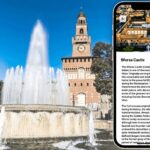
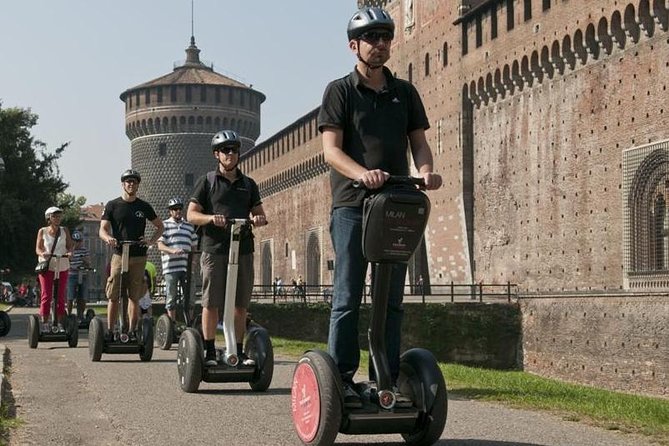
One of the biggest anchors on this tour is Castello Sforzesco, Sforza Castle. It’s described as one of Milan’s main symbols, and it’s also tied to major cultural institutions today. You’ll get a free stop with about ten minutes here, which is enough to walk the area, take photos, and understand what you’re looking at without turning it into a long museum afternoon.
The best part of this stop in a guided Segway setup is the context. Castles can be intimidating if you just treat them like walls. A good guide frames what the castle meant, how power worked around it, and why this building became a permanent landmark instead of a forgotten fortification.
If your goal is to do a full castle interior visit, this tour isn’t that. But if your goal is to connect the castle to the rest of the city, this is a smart way in.
Sant’Ambrogio and Roman traces: religion and older Milan’s footprint
You’ll then move to Basilica di Sant’Ambrogio, a patron saint Roman Lombard church. The stop is about fifteen minutes, and it’s free. This is one of the more meaningful stops on the tour because it shifts your attention from dramatic skyline and big monuments into continuity—how older Milan stayed present while the city grew.
After that, you’ll get a stop described as the Roman traces of the Imperial church. Even if you can’t spend ages reading every marker, the point is to show you where the Roman layer shows up in the modern city. Milan is famous for mixing eras, but you only feel that mix when someone helps you notice it.
This is where a local guide shines. Without guidance, it’s easy to walk right past the “older city signals” and only see the present-day facade.
Darsena: the canals’ edge and the trade story
Then comes Darsena, the harbor area of Milan’s canals. This stop is free, takes about ten minutes, and it’s one of those places that makes the city feel human-scale. It also connects to a detail that really sticks: Milan used to have more canal area, and there are only a few left now. The guide’s explanation of how canals supported trade and building is the kind of historical context that makes architecture and waterways feel useful, not decorative.
If you like cities where food, trade, and street life shaped everything, you’ll enjoy this part. Darsena gives you a break from pure monuments and lets you sense the movement of people and goods that once mattered here.
Piazza Mercanti: medieval civic life in a small square
A short ride brings you to Piazza Mercanti, described as a medieval square seat of the ancient municipal administration. This stop is free and about five minutes. But don’t treat it as filler. Civic squares are where a city reveals how people organized daily life—trade, law, guild systems, and public identity.
On a Segway tour, these small stops are often the most rewarding because you can see the shape of the place quickly. A square like this makes you look up at the surrounding buildings and think about how they controlled movement long before modern traffic existed.
Duomo di Milano and Piazza della Scala: big outdoor views, not deep-ticket time
You’ll head toward Duomo di Milano next. The Duomo stop is about ten minutes, and the admission is not included. That’s important: you’ll see it outdoors and use the time for orientation and photos rather than going inside.
Right in the Duomo area, the guide tends to include small practical suggestions for a break. The Duomo piazza has a small cafe option that many people find handy—especially when you want water, a snack, or just a couple minutes off the Segway.
After the Duomo, the tour reaches Piazza della Scala for an external view of La Scala theater and nearby Palazzo Marino. This stop is about five minutes, and it also isn’t tied to admission. You’re getting the theater frontage and the elegant civic framing around it, which is perfect for quick understanding: this is where Milan shows its cultural stage energy.
If you’re the kind of traveler who wants interiors and guided museum-type depth, you’ll probably use these stops as a high-quality primer and then come back later on your own time. But as a sightseeing sprint, this works.
Galleria Vittorio Emanuele II: the arcade as a last-style stop
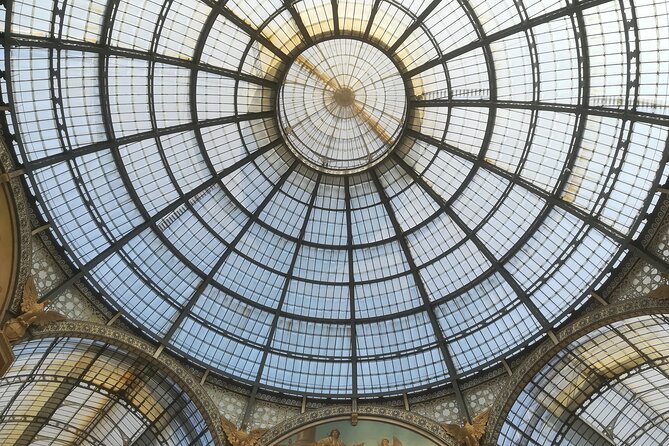
Your final sightseeing stop is Galleria Vittorio Emanuele II, a luxury shopping arcade built at the end of the 19th century. It’s free and takes about five minutes. Even if you’re not shopping, the arcade is worth seeing because it shows you how Milan used style, engineering, and commerce together.
Think of it as a finishing chapter. After older churches, castle power, and canal trade, the arcade feels like Milan placing a bet on modern life and public gathering spaces.
It’s also a good moment to slow down a bit, take a few photos from different angles, and let the whole tour land in your head as one walkable-feeling circuit—even though you did it on a Segway.
How good is the value at about $90 per person?
At around $90.11 per person for about 3 hours 30 minutes, this tour isn’t cheap in the way a basic hop-on sightseeing bus is cheap. But it also isn’t trying to be a low-cost “just transport” thing. You’re paying for three main values:
First, you’re paying for time savings with comfort. In central Milan, walking can eat up daylight quickly, especially if you’re juggling squares that are close on a map but annoying in real streets. The Segway helps you do more without draining yourself.
Second, you’re paying for guided context. The tour doesn’t just point at monuments. It connects civic life, religion, and trade—especially through the castle and canal story around Darsena. That’s the kind of information you can’t easily pick up from a phone map.
Third, you’re paying for a small-group setup (up to eight riders), plus helmet use and multiple guides. In practical terms, that tends to mean better safety management and easier pacing adjustments.
So, if you want a smart introduction to central Milan in one afternoon and you’re comfortable with the idea of outdoor sightseeing on a Segway, the price feels reasonable.
What I’d watch for before you book
Here’s the honest checklist I’d use if you’re deciding:
- You need moderate physical fitness and should feel comfortable balancing and riding outdoors.
- The itinerary is heavy on outdoor views and orientation, not long interior time.
- Some spots have admissions not included, so you should treat ticketed entries as optional add-ons rather than part of the core plan.
- The experience requires good weather, so plan a backup day if your schedule is tight.
If those points sound okay, you’ll likely find the tour hits a sweet spot: efficient, informative, and fun.
Who this Milan Segway tour is best for
This is ideal for you if you:
- want to see a lot of landmarks without turning your day into a footrace
- like guided explanations that connect neighborhoods and eras
- prefer a small group with extra attention to rider comfort
- have limited time in Milan and want a solid first-pass route
It might be less ideal if you’re mainly chasing museum interiors or you’re not comfortable with Segway riding.
Should you book this Segway tour of Milan?
I’d book it if you want a confident first look at central Milan that doesn’t burn your legs and includes real local context—especially around the castle area and the canal story near Darsena. The guide approach matters here: with Emilio specifically, the tour is flexible, safety-focused, and good at slowing down when you need the rhythm.
If you’re traveling with a strong interest in entering museums and churches for long periods, you may want to pair this with separate time blocks later. But as a 3.5-hour orientation that also feels like a proper activity, this one is a strong bet.
FAQ
How long is the Milan Segway tour?
It’s about 3 hours 30 minutes.
What does the tour cost?
The price is $90.11 per person.
Where does the tour start?
It starts at Via Lecco, 18, 20124 Milano MI, Italy.
What language is the tour offered in?
The tour is offered in English.
Is food or drinks included?
No, food and drinks are not included.
Are admission tickets included?
Some entrances are not included. For example, Brera District and the Duomo are listed as not included, while several other stops have free admission.
Does the tour include transportation to or from your hotel?
No. Hotel pickup and drop-off are not included, and transportation to/from attractions isn’t included either.
How many people are in the group?
The tour has a maximum of 8 travelers.