REVIEW · MILAN
Milan: Hands-On Pasta & Dessert Cooking Class & Wine Pairing
Book on GetYourGuide →Operated by CASA PASTROCCHI · Bookable on GetYourGuide
A great meal starts with learning the craft, not ordering it. This Milan pasta-and-dessert class feels like an Italian home evening: you cook side by side with Niccolò and then eat what you made, paired with wines chosen for you. I love that you learn multiple fresh pasta shapes (not just one), and I also love the built-in wine tasting with a Certified Sommelier that actually ties into what’s on your plate. One possible drawback: it is a hands-on, kitchen-focused experience, so you’ll want comfortable shoes and a bit of patience while dough and sauces do their thing.
In This Review
- Key things to know before you go
- A Home-Style Kitchen in Milan: What the Class Feels Like
- Finding the Place: How Arrival Works Without the Fuss
- Aperitivo + Wine Tasting Before You Cook
- The 3-Course Cooking Lesson: Bruschetta, Fresh Pasta, and Sauce Mastery
- Starter: Tomato/Sausage Tuscan Bruschetta
- Fresh pasta shapes: what you’ll actually learn
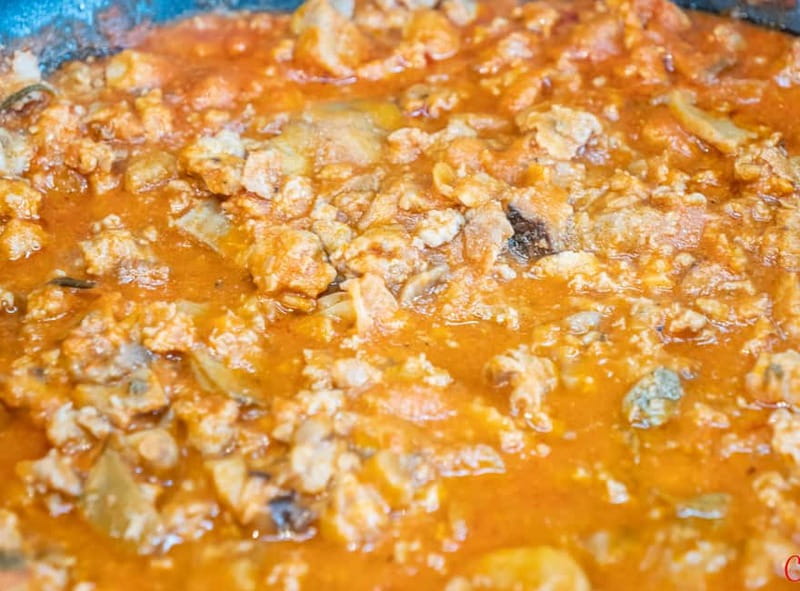
- The sauce lineup: flavors you’ll recognize
- Sitting Down to Eat: Dinner Like You Cooked It
- Dessert Wine and Real Tiramisù
- Why the Niccolò + Sommelier Setup Works
- Group Size and Language: Easier Than You Think
- Value for Money: What You’re Really Paying For
- Who Should Book This Milan Pasta and Dessert Class
- Should You Book This Class?
- FAQ
- How long is the cooking class?
- What’s included in the price?
- Is there wine in the experience?
- What do I cook during the class?
- Do I get anything to take home?
- Where is the meeting point?
- Is smoking allowed?
Key things to know before you go
- A real chef-led lesson with Niccolò, plus wine help from the Certified Sommelier
- Fresh pasta shapes you make yourself, with sauces like Amatriciana, Cacio & Pepe, and Carbonara
- Aperitivo first: Prosecco with fresh salami and cheese, so you’re not waiting around
- Dessert wine and homemade limoncello to close out the evening
- Small group (up to 10), so you’re not lost in a crowd
- Take-home recipe book so you can recreate the meal later
A Home-Style Kitchen in Milan: What the Class Feels Like
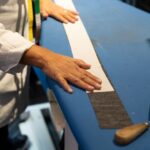
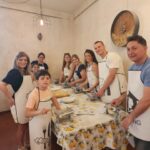
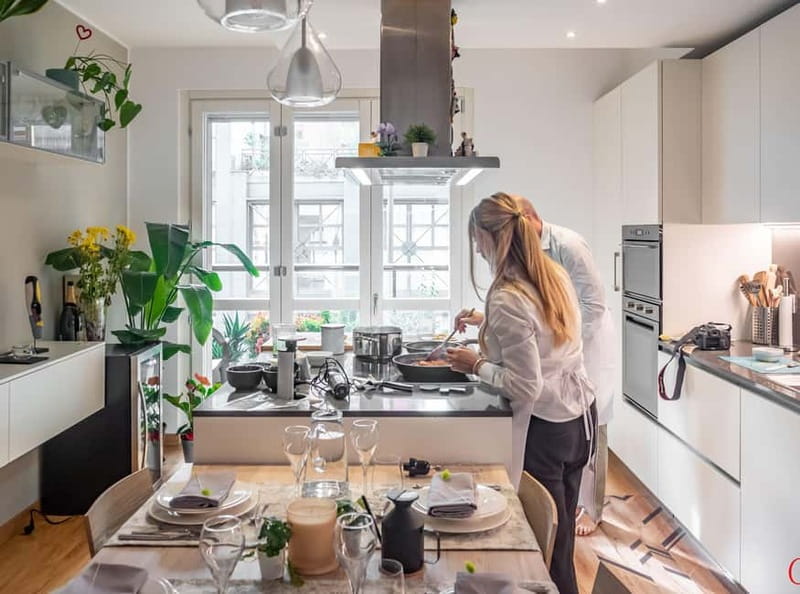
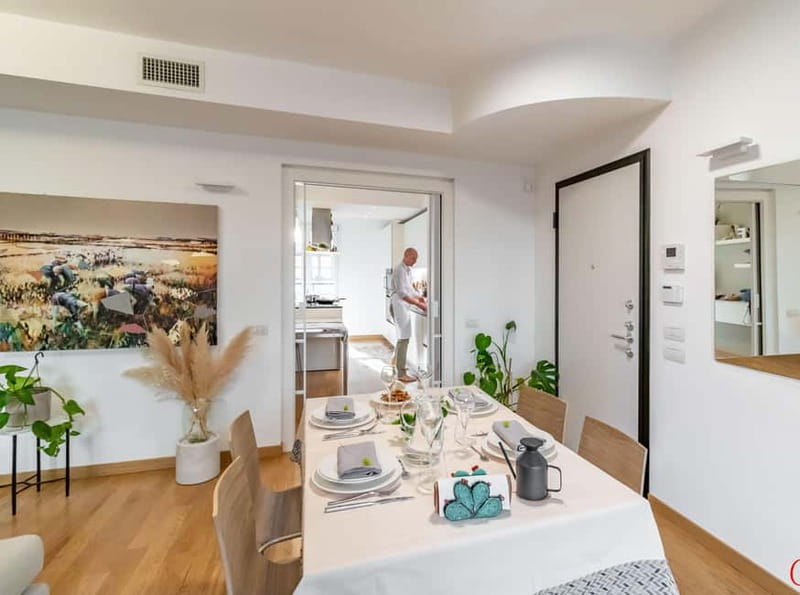
This isn’t a demo where you watch someone cook and then grab a seat. You come into a kitchen setting in the heart of Milan and work through the meal step by step. The vibe is practical and relaxed: you’re learning technique, not chasing perfection. And because the group is limited to 10, you’re more likely to get real attention when you need it, whether that’s timing, dough handling, or how a sauce should look when it’s ready.
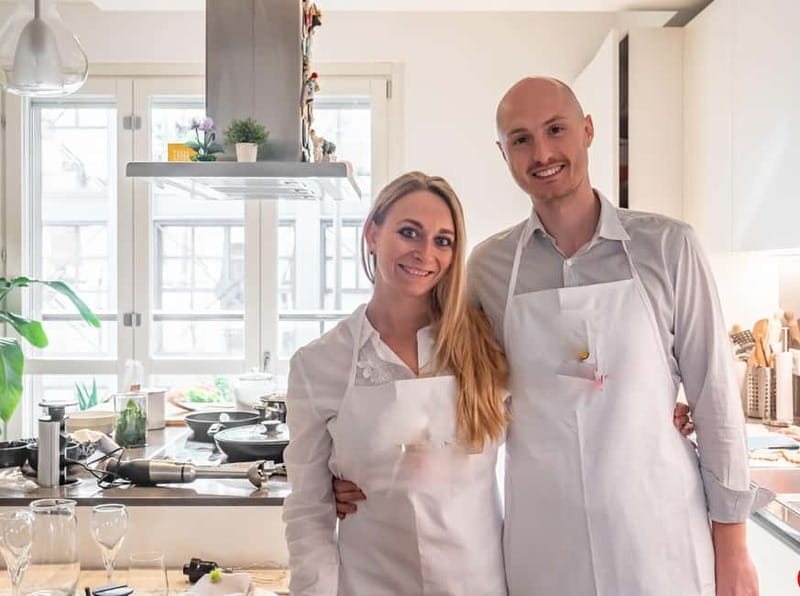
CASA PASTROCCHI is the provider, and the class is hosted by Niccolò with tasting support from the Certified Italian Sommelier. That pairing matters. Cooking alone is fun, but cooking with an understanding of what you’ll taste afterward makes the whole evening click.
You can also read our reviews of more cooking classes in Milan
Finding the Place: How Arrival Works Without the Fuss
You meet at an apartment building entry where you’ll use the intercom system. Specifically, you ring apartment G1 using the intercom display (using the downward arrow on the display to find it), then go to the right toward the staircase inside the condominium complex. From there, you’ll find a second door and another intercom, and you ring G1 again. The apartment is on the first floor, left side.
It’s the kind of meeting setup that rewards being a few minutes early. Bring comfortable shoes, because you’ll be standing and moving around during the cooking. Also, no smoking indoors.
Aperitivo + Wine Tasting Before You Cook
Before you put flour on your hands, you get a welcome aperitif: Prosecco with fresh salami and cheese. It’s a nice start because it sets the tone. You’re not starting from zero; you’re already in the mindset of an Italian meal—food first, talk, then cooking.
Then the wine part begins. You’ll taste a selection of wines with Niccolò and the Certified Sommelier, with a focus on pairing and tasting. The lesson here isn’t wine snobbery. It’s about noticing how flavors work with food. You’ll go into the cooking more aware of things like richness, acidity, and balance—exactly what you’ll want when you sit down later with your own dishes in front of you.
At the end, dessert wine and limoncello come in again as a closing ritual. That gives the night a complete arc: aperitivo → cooking → dinner → sweet finish.
The 3-Course Cooking Lesson: Bruschetta, Fresh Pasta, and Sauce Mastery
The class runs about 3.5 hours, and the structure makes sense for real learning. You start with a starter, then move into fresh pasta, then finish with dessert. The menu example gives you a clear idea of what you’ll cook, and the hands-on format ensures you don’t just read about it.
Starter: Tomato/Sausage Tuscan Bruschetta
You’ll make a bruschetta-style starter featuring tomato and sausage (listed as Tomato / Sausage Tuscan Bruschetta). This matters because bruschetta is a gateway dish: it teaches you how fresh flavors hang together and how seasoning and timing can make something simple taste very Italian.
You’ll likely see how the kitchen handles freshness and balance—less about heavy technique, more about getting the flavor right and keeping textures pleasant.
You can also read our reviews of more wine tours in Milan
Fresh pasta shapes: what you’ll actually learn
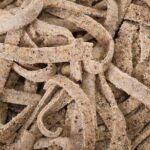
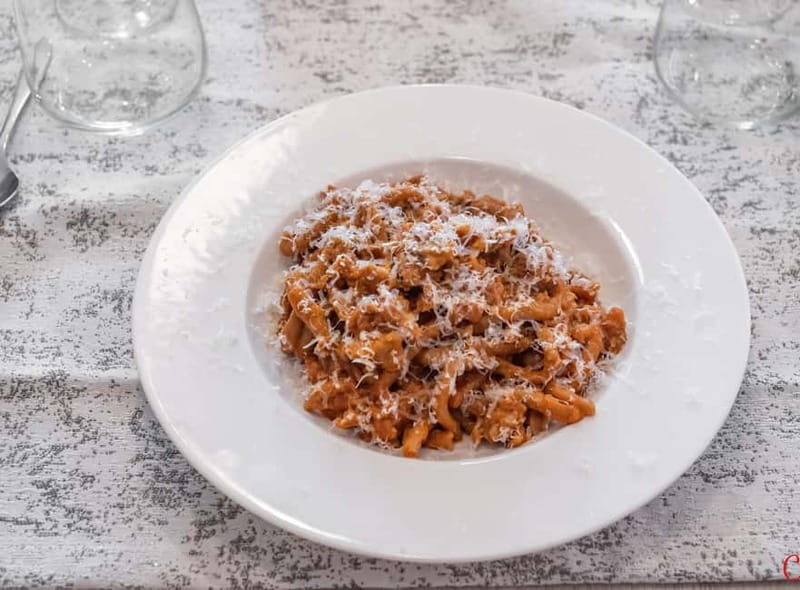
This is a big selling point, and it earns its hype. You learn to prepare many kinds of pasta shapes. The sample menu includes Tagliatelle, Fettuccine, Pappardelle, and Tagliolini, plus you’ll work with sauces connected to those pasta choices.
Learning multiple shapes is more than a variety pack. Each one changes how sauce clings. Thicker ribbons tend to hold onto richer sauces; thinner styles behave differently. When you make them yourself, you start to understand why Italians care about shape—it’s not decoration.
The sauce lineup: flavors you’ll recognize
The menu includes several sauces that most people can name, but fewer people know how they’re put together. You’ll work on sauces such as:
- Pomodoro
- Amatriciana
- Cacio & Pepe
- Carbonara
This is where the class becomes useful back home. If you’ve ever made pasta and thought, Why does restaurant pasta taste more satisfying, it often comes down to sauce technique and timing. Here, you learn the logic behind the flavors, not just the ingredients.
Then you sit down and enjoy what you cooked, so you taste the results immediately—right when your brain is still focused on what you did.
Sitting Down to Eat: Dinner Like You Cooked It
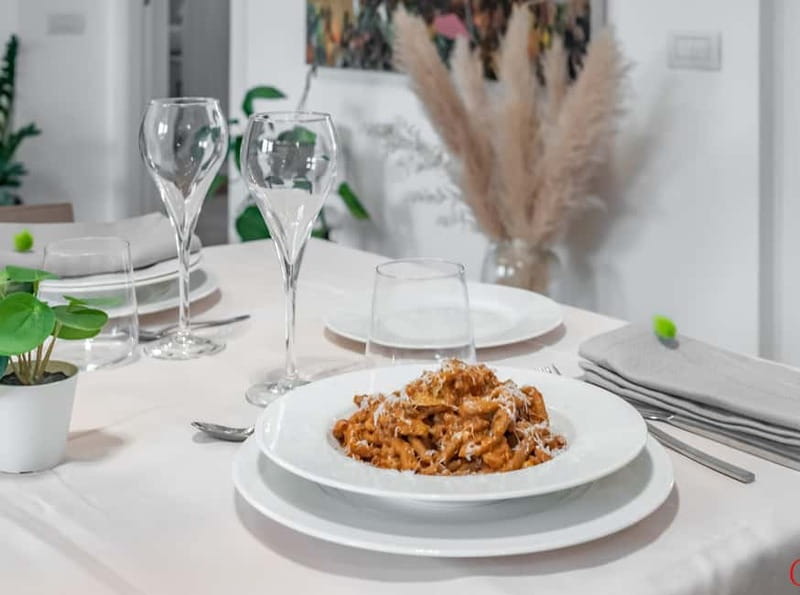
After the cooking, you don’t just pack up. You relax and eat together, with the meal you prepared live during the class. That shared dinner is part of the value: you get to compare your work against what you tasted in the earlier wine pairing.
The night is designed so the wine experience has context. You taste with intention, then you eat your own pasta and starter, then you finish with dessert. You’re not jumping between random courses and random drinks; you’re moving through a planned flow.
Dessert Wine and Real Tiramisù
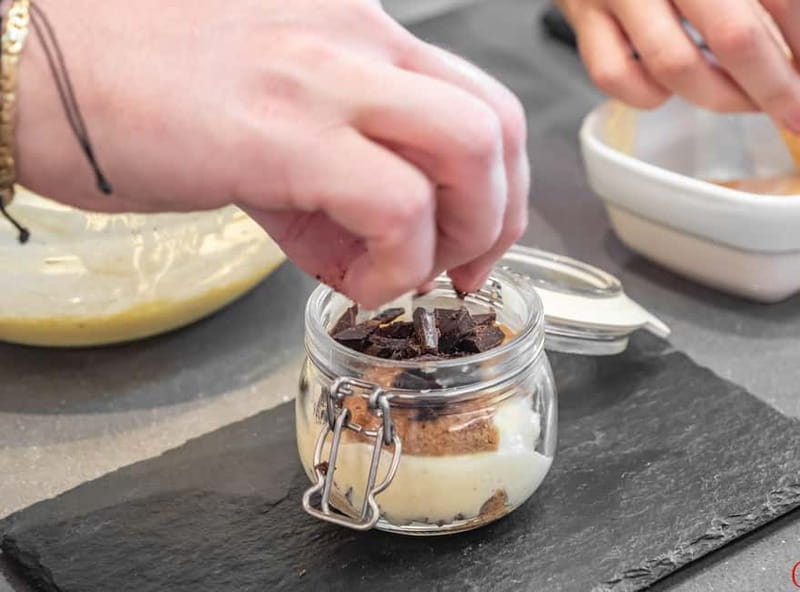
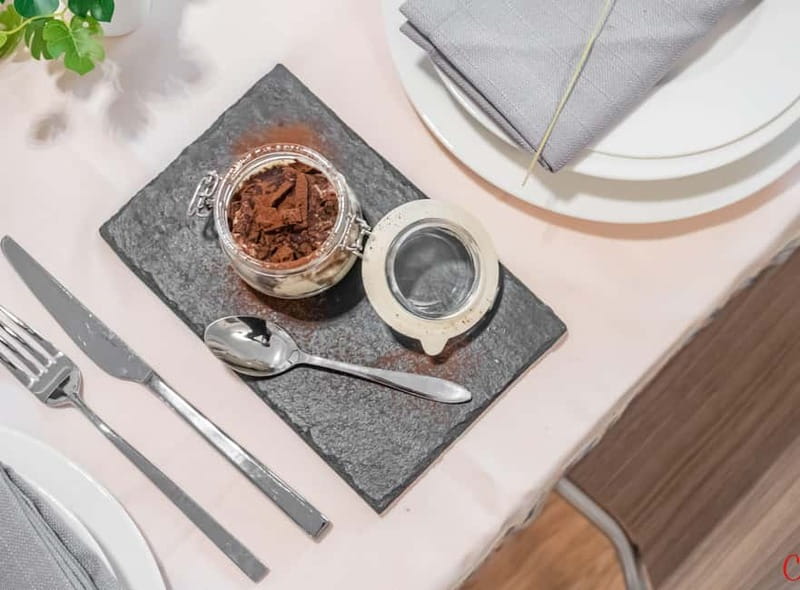
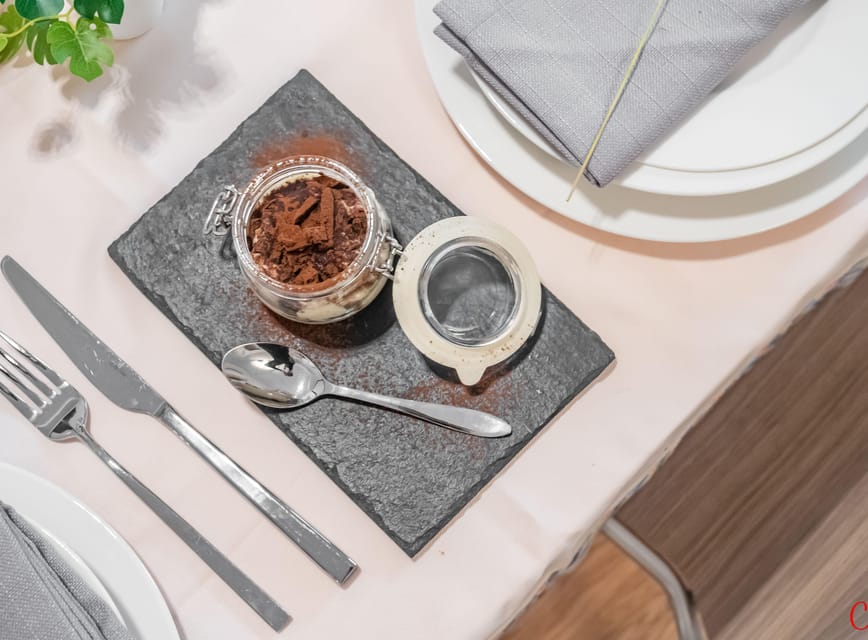
Dessert is not an afterthought here. The sample menu includes Classic Tiramisù (and it can also be with chocolate). You learn the real Italian approach to tiramisù, which is exactly the kind of skill that’s hard to guess from recipes alone.
And then comes the sweet pairing: dessert wine and Limoncello at the end. Even if you’re not a big alcohol drinker, the dessert finish is worth it for the flavor contrast. It gives you that final Italian note—fresh, bright, and not just sugar.
One of the best parts from the experience details is that the limoncello is described as homemade. That means the finish isn’t just a bottled add-on; it’s part of the hosting style and the evening’s food culture.
Why the Niccolò + Sommelier Setup Works
Some cooking classes teach you to cook and ignore the drinks. Some wine tastings teach you to taste and ignore the food. This one connects both, and the connection is practical.
Niccolò leads the cooking, and the Sommelier helps with wine pairing and tasting. If you enjoy learning why dishes taste the way they do, this setup helps you build that bridge. You’re not just drinking what’s served; you’re learning how to think about pairing.
The experience also leans into question time. In the info provided, Niccolò is described as patient and knowledgeable about Italian cuisine and even answering questions about wine regions across the country. That kind of conversation makes a difference when you’re the type who likes to travel with curiosity instead of just collecting photos.
Group Size and Language: Easier Than You Think
This is a small group experience, limited to 10 participants. That’s important in a kitchen class because it affects attention, pacing, and how much hands-on time you get. If the class feels crowded, you lose time and confidence. Here, the smaller size makes it more likely you’ll get guidance while you work.
Languages available include English, Spanish, French, and Italian. So even if your Italian is basic, you should be able to follow along with the cooking steps and the tasting talk.
Value for Money: What You’re Really Paying For
At $123.48 per person for about 3.5 hours, the price looks like more than a casual foodie activity—and it is. But here’s why it tends to feel worth it:
- You’re paying for a chef-led, hands-on cooking lesson in a kitchen setting.
- You’re not just eating one item; you’re making a starter, fresh pasta (multiple shapes), sauce(s), and dessert.
- Wine is included, with pairing and tasting support from a Certified Sommelier.
- Aperitivo is included at the start, and you also get dessert wine and limoncello at the end.
- You leave with a recipe book so the value doesn’t stop when you go back to your hotel.
If you like learning skills you can repeat, this is the kind of class that pays you back later when you cook at home. If you only want to sample Italian food and don’t care about learning technique, you might find it more time and effort than you expected.
Who Should Book This Milan Pasta and Dessert Class
You’ll love it if you:
- want a hands-on Milan pasta cooking class with real technique
- enjoy wine pairings and want them explained in a grounded way
- want to eat what you made, in a sit-down dinner format
- like small-group experiences where you can ask questions
- care about taking something home, like a recipe book you’ll actually use
You might skip it if you’re traveling with limited time for cooking, hate hands-on food prep, or want a purely sightseeing-focused itinerary. This class is all about the kitchen, then the meal.
Should You Book This Class?
If you’re looking for an experience that tastes like Italy and teaches you something you can repeat, I’d book it. The combination of fresh pasta shapes, sauce instruction, real tiramisù, and the wine pairing with a Certified Sommelier is the strongest part. You’re not choosing between food and drink here—you’re getting both, in a single evening that makes sense.
One final tip: wear comfortable shoes and plan to take your time with the steps. This is the kind of class where the learning is part of the fun, and rushing it can make you miss the little cues that help the food turn out right.
FAQ
How long is the cooking class?
It lasts about 3.5 hours, though starting times depend on availability.
What’s included in the price?
You get a welcome aperitif (Prosecco, fresh salami, and cheese), the cooking experience (starter, fresh pasta shapes, sauces, and dessert), dinner to enjoy what you cooked, and a wine tasting with pairing and tasting. Coffee/tea, water, snacks, and all fees and taxes are also included.
Is there wine in the experience?
Yes. You’ll taste a selection of wines with Niccolò and a Certified Sommelier, plus dessert wine and limoncello at the end. Participants must be 18 or older for alcoholic drinks.
What do I cook during the class?
The sample menu includes a tomato/sausage Tuscan bruschetta starter, fresh pasta shapes like tagliatelle, fettuccine, pappardelle, and tagliolini, sauces such as pomodoro, amatriciana, cacio & pepe, and carbonara, and classic tiramisù (or chocolate version).
Do I get anything to take home?
Yes. You take home a recipe book so you can recreate the dishes later.
Where is the meeting point?
You meet at the intercom entry for the apartment G1 in the condominium complex. The instructions explain ringing G1, turning right toward the staircase after you enter, and then finding the second door/intercom to ring G1 again. The apartment is on the first floor, left.
Is smoking allowed?
No, smoking indoors is not allowed.