REVIEW · MILAN
Milan: Pasta, Tiramisu, Cooking Class! Learning Premium Products!
Book on Viator →Bookable on Viator
Milan tastes better when you make it. This cooking class at Chef Rafael’s home turns “Italian food” into real technique, from tasting premium olive oil and balsamic to learning pasta and dessert you can recreate. I especially loved the hands-on pace and the way the class focuses on ingredient quality, not showy tricks. One consideration: it’s informal and personal, and Rafael can be pretty opinionated with colorful jokes, which some people will find fun and others may not.
You also get a smart choice when you book: go for a lunch class or an early dinner class, so it fits how you’re touring the city. The group stays sociable and small, and you’re capped at six per class (the activity listing also notes a maximum of eight), so you’re not stuck watching from the sidelines.
By the end, you’re eating what you made, family-style, with wine and stories about life in Italian restaurant kitchens. You’ll leave with a practical skill set: how to select ingredients, what to look for on labels, and how to make classic sauces and tiramisu in a way that actually holds up at home.
In This Review
- Key Things You’ll Notice in This Class
- A Chef’s Home in Milan: Cozy, Social, and Actually Personal
- The Ingredient Tasting That Makes Everything Else Make Sense
- Handmade Pasta From Scratch: Eggs, Flour, and a Traditional Machine
- Two Sauces That Define Italian Comfort Food
- The classic tomato sauce style (Pomodoro approach)
- The creamy Parmigiano Reggiano style (Alfredo-like)
- Tiramisu and Wine: Dessert With Technique, Not Just Assembly
- Family-Style Dinner: Eat Your Work and Hear the Kitchen Stories
- Timing and Planning: It’s Listed as 3.5 Hours, So Give Yourself Buffer
- Price and Value: What $102.80 Buys You in Milan
- Who Should Book This Class (and Who Might Skip It)
- Should You Book Rafael’s Pasta and Tiramisu Class?
- FAQ
- What dishes will I learn to make?
- Is the class hands-on or just a demonstration?
- Do I choose lunch or early dinner when I book?
- Is wine included?
- How many people are in each group?
- Where does the class meet?
- Can I get a full refund if my plans change?
Key Things You’ll Notice in This Class
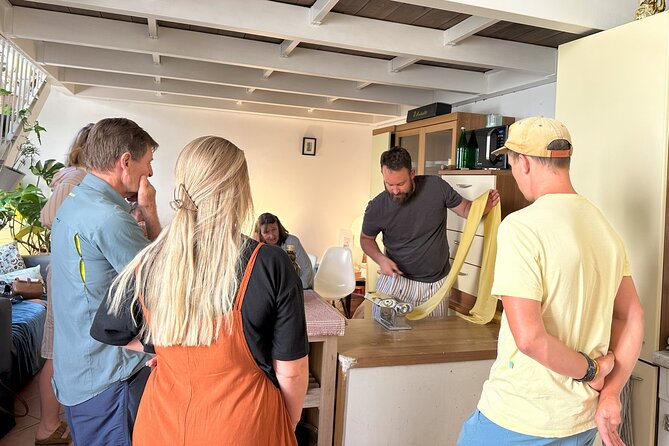
- Small-group energy in a real apartment loft instead of a big school setting
- Taste-first learning: single-origin olive oil, aged balsamic, and artisan bread before cooking
- Handmade pasta from scratch using eggs, flour, and a traditional pasta machine
- Two iconic pasta dinners: classic tomato sauce and a creamy Parmigiano Reggiano style
- Traditional tiramisu + wine, followed by a family-style meal with the group
A Chef’s Home in Milan: Cozy, Social, and Actually Personal
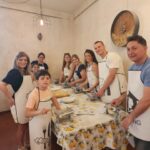
The meeting point is Via Giuseppe Ripamonti, 7/a (Milano), and the activity ends back there. The class is in the chef’s home, so the vibe is warm and lived-in, not staged. One theme in the reviews is that Rafael treats the session like a shared evening: you cook, you taste, you chat, and you get stories about Italian food culture along the way.
Group size matters here. When you’re capped at six (and not more than eight), the cooking doesn’t become a line at a counter. You can ask questions mid-step—like what consistency the dough should feel like or how to decide when a sauce is ready. That’s the difference between a demonstration and real learning.
This class is also described as friendly and fun for families, including kids (even younger ones) when they can participate. If you’re traveling with a mix of skill levels—total beginner to decent cook—this format usually works because everyone can help with mixing, rolling, shaping, and plating.
The one “consideration” style-wise is that it’s informal. Rafael is talkative and opinionated, and some humor comes with colorful language. If you’re traveling with kids or you prefer strictly polite, quiet experiences, that’s worth factoring in. If you like big personality and an easy dinner-party mood, you’ll probably feel right at home.
You can also read our reviews of more cooking classes in Milan


The Ingredient Tasting That Makes Everything Else Make Sense
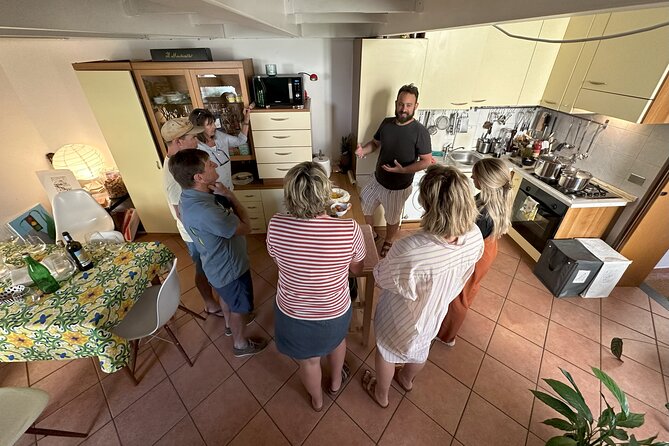
Before you touch dough, you start with a starter that’s partly cooking lesson and partly quality control. You learn how to choose your ingredients, then you taste top-tier products paired with artisan bread.
This matters more than it sounds. Italian home cooking isn’t about secret techniques so much as it’s about using ingredients that can handle a simple recipe. When the class starts with tasting single-origin olive oil and aged balsamic vinegar—including mention of 12-year aged balsamic—you’re getting a baseline for what “good” actually tastes like.
A few practical things you’ll likely pick up in this tasting phase:
- how to notice differences between olive oils (not all “olive oil” is the same in flavor or intensity)
- what aged balsamic tastes like compared with cheaper, younger versions
- how to pair oils and vinegars with bread so you understand the flavor direction before you cook
And yes, you’ll taste products from well-known producers. The class also emphasizes understanding labels and product selection. That’s valuable because it turns your supermarket trip back home into a mini “Italian food literacy” game.
If you’re the type who always buys generic ingredients because it’s easier, this part alone can upgrade your cooking. You’ll see why the sauces taste the way they do: they’re built on a foundation of premium basics.
Handmade Pasta From Scratch: Eggs, Flour, and a Traditional Machine
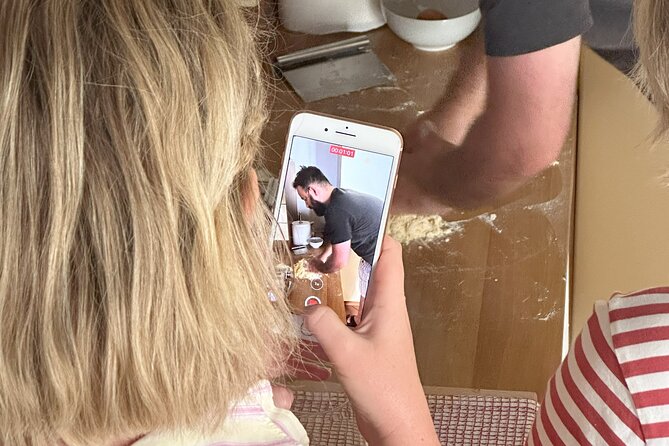
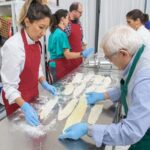
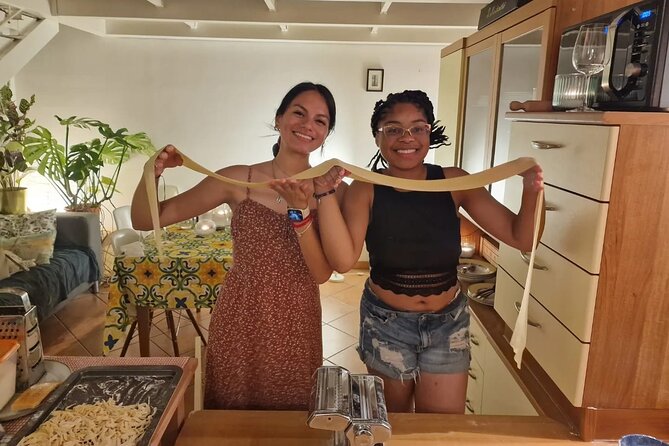
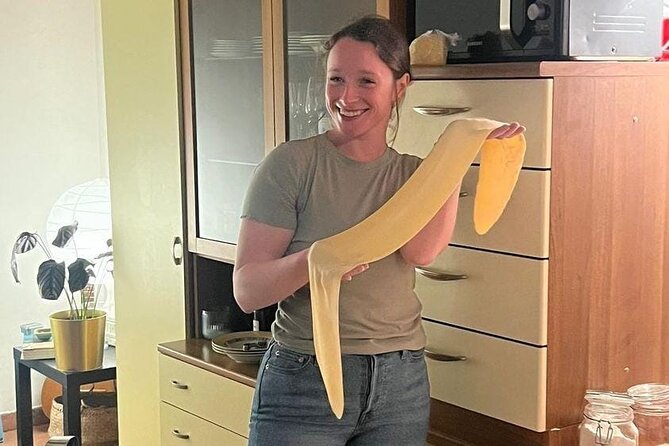
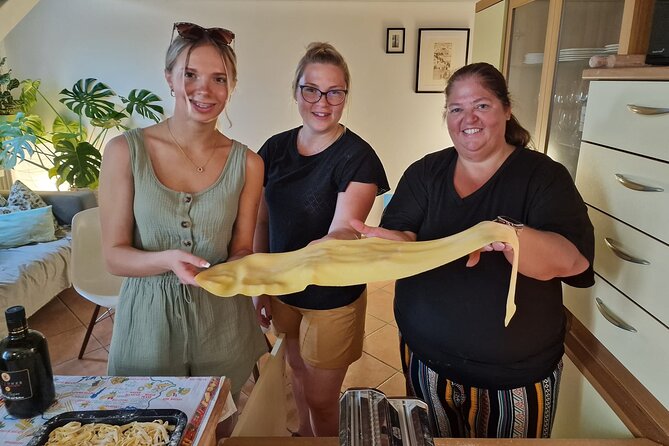
Now the class gets hands-on in a real way. You learn to make authentic handmade pasta from scratch using eggs and flour, with a traditional pasta machine. Several reviews highlight that it’s not just watching—you’re making pasta as part of the group.
What I like about this lesson format is that it teaches process, not just outcomes. Pasta is easy to mess up if you skip the “feel” part. Having Rafael walk you through steps and troubleshoot while you’re doing it helps you understand what to do next time.
When you’re learning with a small group, you’re also more likely to get individual attention. You can adjust thickness, portion, or handling based on what you’re seeing and what Rafael is telling you, rather than copying one successful example.
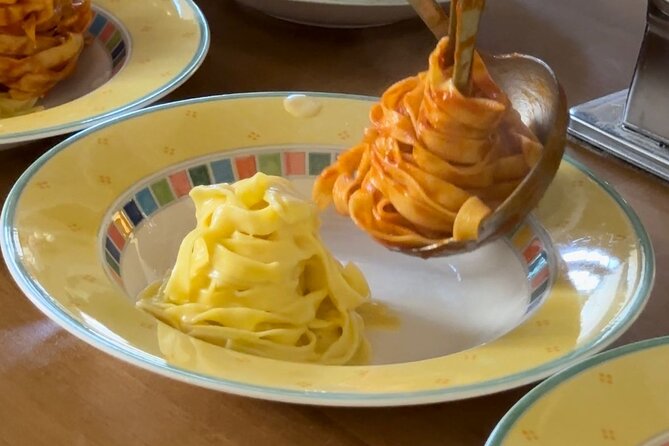
The class also includes learning two types of pasta you’ll eventually eat (based on the dishes served). In the menu, you’ll see fettuccine used for both sauce styles, and the class is structured so you’re cooking what you’ll serve at your table.
If you’re a beginner, don’t worry about “perfect.” The goal here is to leave with a working method: dough basics, rolling/cutting basics, and the confidence to try again at home.
Two Sauces That Define Italian Comfort Food
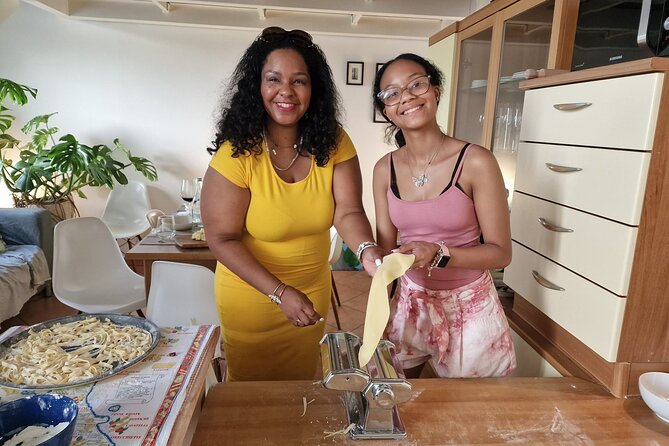
The cooking portion centers on two classic sauce styles, and the best part is how different they feel even though they’re both built for fettuccine.
The classic tomato sauce style (Pomodoro approach)
You’ll make a classic tomato sauce with emphasis on respect for minimal ingredients. The lesson point here is that when you only use a few ingredients, the quality and the technique matter a lot. You learn how to work with tomato so it tastes fresh and balanced, not flat or sour.
This is a great sauce for cooks who want a repeatable meal. It’s also an excellent “lesson in simplicity,” where you’ll understand how small adjustments change the final flavor.
You can also read our reviews of more tours and experiences in Milan





The creamy Parmigiano Reggiano style (Alfredo-like)
You’ll also make a creamy Parmigiano Reggiano sauce using high-quality Parmigiano Reggiano aged 24 months and premium butters. This isn’t the bland, heavy version people sometimes complain about. The flavor comes from the aging and the fat pairing, plus good technique.
This part teaches you something practical: how dairy-based sauces should taste and feel. If you’ve ever had trouble getting cheese sauces smooth or balanced, this class approach is exactly what you need—start from premium ingredients, then treat the sauce gently and deliberately.
And because you’re pairing pasta you made yourself, everything feels connected. You won’t just eat a dish—you’ll understand why this dough works with this sauce.
Tiramisu and Wine: Dessert With Technique, Not Just Assembly
Tiramisu is where the class gets celebratory. You’ll learn the traditional story and techniques behind it, using premium ingredients. The menu notes that dessert is made with premium products, and the experience includes tasting and using the right ingredients so the flavor is built, not guessed.
The class also pairs tiramisu with a bottle of Italian wine. Some reviews mention enjoying both red and white wine during the evening. Either way, it’s part of the experience, and it makes the meal feel like a real Italian dinner rather than a quick cooking activity.
What’s especially praised is that Rafael explains steps clearly while keeping it fun. That matters because tiramisu can go wrong if you rush the texture or treat the ingredients too roughly. When you learn the approach in person, you get a feel for the balance—sweetness, cream texture, and coffee flavor coming through.
By the time you sit down, you’re not just eating dessert. You’re tasting the result of a method you understand.
Family-Style Dinner: Eat Your Work and Hear the Kitchen Stories
After cooking, you end with a delightful family-style dinner where you savor what you made. This is a big part of why the class earns strong recommendations: you get closure. You don’t leave with a paper recipe and vague confidence. You eat the meal as a group and it actually feels like a shared evening.
A number of reviews mention laughter, conversation, and stories about life in Italian restaurant kitchens. That’s not a throw-in. It connects food to culture. You start to see why Italians talk about ingredients the way they do—because food is tied to everyday choices, not just special occasions.
Also, since it’s at a home, you’ll likely feel the difference in pacing. It’s less rigid than a commercial cooking school and more like gathering with people who care about food.
Timing and Planning: It’s Listed as 3.5 Hours, So Give Yourself Buffer
The class is about 3 hours 30 minutes (approx.). That’s helpful, but one review notes it ran longer than expected, by a couple of hours. So I’d plan transportation and your evening with a buffer.
Practical tips:
- Arrive a little early so you’re not rushed getting settled.
- Wear comfortable clothes; you’ll be working and moving.
- If you have dinner reservations after, consider making them later than you normally would.
If your schedule is tight, the “lunch vs early dinner” choice helps. Pick the slot that gives you the safest margin for transit and wrap-up time.
Price and Value: What $102.80 Buys You in Milan
At $102.80 per person for roughly 3.5 hours, you’re paying for more than a meal. You’re paying for a small-group, hands-on cooking class in a chef’s home, plus multiple courses and wine.
Here’s why it’s good value based on what’s included:
- You cook handmade pasta and sauce components that turn into a full meal.
- You learn a tasting approach (olive oil, aged balsamic, bread), which improves your home cooking choices.
- You get premium ingredients emphasized in the class (Parmigiano Reggiano aged 24 months, aged balsamic, and premium oils).
- You eat family-style at the end, paired with wine.
In plain terms: if you’ll actually use the skills, it’s worth it. If you only want a quick meal and no interest in technique or ingredients, you might prefer a restaurant. But for anyone who likes to cook or wants a deeper souvenir than photos, this is a strong deal.
Who Should Book This Class (and Who Might Skip It)
This experience fits best if you:
- want to learn how Italian cooking depends on ingredient quality
- like hands-on learning more than watching
- enjoy social conversation while you cook
- travel with kids who can participate (the class has been described as kid friendly)
You might skip it if you:
- prefer strictly formal settings and quiet instruction
- dislike the idea of an informal home environment or colorful jokes
- need an experience that ends exactly on the dot, every time (some sessions may run long)
If you’re coming to Milan for a first big food moment, this is also a smart early-trip plan. It gives you context for everything you’ll eat afterward in the city.
Should You Book Rafael’s Pasta and Tiramisu Class?
I’d book it if your goal is to leave with real technique and a strong understanding of ingredient choices. The class stands out for its hands-on pasta making, its focus on premium tasting (olive oil and aged balsamic), and the fact that you eat what you cook in a cozy, family-style setting with Rafael.
It’s also a great pick if you love food conversation. Rafael’s personality is part of the experience, and most people come away remembering the teaching plus the warmth of the evening.
Just match your expectations: this is a chef’s home class, not a glossy showroom. If you can enjoy that vibe, you’ll likely have one of the most satisfying food experiences in Milan.
FAQ
What dishes will I learn to make?
You’ll make handmade pasta from scratch and cook two pasta dishes with sauces (a classic tomato sauce and a creamy Parmigiano Reggiano style), plus traditional tiramisu for dessert.
Is the class hands-on or just a demonstration?
It’s hands-on. You participate in the pasta and dessert preparation, not just watch.
Do I choose lunch or early dinner when I book?
Yes. You can choose between a lunch class or an early dinner class at the time of booking.
Is wine included?
Yes. Tiramisu is paired with a bottle of Italian wine, and wine is part of the dinner experience.
How many people are in each group?
The experience is described as a small-group class capped at six per group, and the activity listing notes a maximum of eight travelers.
Where does the class meet?
The meeting point is Via Giuseppe Ripamonti, 7/a, 20136 Milano MI, Italy, and the activity ends back at the meeting point.
Can I get a full refund if my plans change?
Yes. You can cancel up to 24 hours in advance for a full refund. Within 24 hours of the start time, the amount paid is not refunded.