REVIEW · MILAN
Milan: Street Art Tour of Ortica, Milan’s open air museum
Book on GetYourGuide →Operated by Tour in Milan · Bookable on GetYourGuide
Street art in Milan has a real pulse. In Ortica, you trade the usual sights for a living neighborhood where murals carry memory, politics, and pride right on the walls. It’s a focused 2-hour walk that helps you read the city like a storybook.
I especially like the people part: you get a local, English-speaking guide, and recent groups praised guides like Lucy for professionalism and enthusiasm, plus Luca for being easy to talk to. Second, I love the project scale behind the art: the Or.Me. Project (Ortica Memoria) uses over 20 large murals to turn working-class history into something visible and shared. One consideration: because the tour is short, you’ll see a curated route of standout walls—not every street corner—so if you’re chasing a dense grid of mural-covered homes, you may want to manage expectations.
In This Review
- Key things to know before you walk Ortica
- Ortica: the open-air street art district that actually makes sense
- The 2-hour flow: how the timing keeps the walk focused
- The heart of the tour: Or.Me. Project murals and what they’re saying
- Stories you can follow on the walls (not just admire them)
- Learning street art history in real places, not in a lecture hall
- How the guide experience can make or break the tour
- Price and value: $49 for a guided storytelling walk
- What to do (and not do) while photographing in Ortica
- Who should book this Milan street art tour?
- Should you book it?
- FAQ
- Where is the meeting point for the Ortica street art tour?
- How long is the tour?
- What language is the guide speaking?
- How big is the group?
- Is the tour wheelchair accessible?
- What’s included and what’s not?
Key things to know before you walk Ortica
- Open-air museum, first of its kind in Milan, not a staged attraction
- Or.Me. Project murals by Orticanoodles connect art with community memory
- Backstreets + hidden alleys, which is where the best visual surprises tend to be
- Clear street-art context, from graffiti origins to today’s techniques and styles
- Photo-friendly stops, including a final viewpoint moment
Ortica: the open-air street art district that actually makes sense
Ortica is one of those Milan neighborhoods where the setting matters. The area has been shaped by viaducts, railway tracks, and the winding Lambro River. That industrial, in-between geography helped create a working-class district that long felt isolated—and a bit forgotten.
What changed over the last decade is that art moved from being background noise to becoming a local identity. Today Ortica is treated as Milan’s first open-air museum district, and the murals aren’t random decoration. They’re part of a long-running conversation about who Milan was, who it is now, and who deserves to be remembered.
If you care about street art beyond aesthetics, this is a smart way to spend your time. You won’t just look at paint. You’ll learn what street art can do to the way people feel about a place—and how it can shift a neighborhood’s reputation from ignored to known.
You can also read our reviews of more museum experiences in Milan
The 2-hour flow: how the timing keeps the walk focused
This tour is built for a very walkable rhythm. You start at Argonne, then you move into Ortica on foot with a sequence that balances story time and looking time.
Here’s the practical pacing you can expect:
- You begin with a short orientation (about 15 minutes) so you know what you’re looking for.
- Most of your time is then spent exploring Ortica with a guided walk (about 45 minutes), which is where the context and mural reading really kick in.
- You get a dedicated photo stop (about 10 minutes) during the main viewing stretch. This helps you slow down without feeling like you’re holding up the group.
- There’s also a brief free time window (about 10 minutes) where you can reframe photos, check details, or take in a wall from different angles.
- Later, the guide adds more guided segments (about 20 minutes, then another short guided block), keeping the story moving rather than getting stuck in one spot.
- The tour ends with a final viewpoint photo stop (about 10 minutes), which is a nice close because it lets you step back and see the neighborhood as a whole.
For a short, two-hour experience, that structure is a big deal. It means you won’t leave feeling like you only saw one wall and one lecture. You get a route, a narrative, and time to actually look.
The heart of the tour: Or.Me. Project murals and what they’re saying
The center of Ortica’s transformation is the Or.Me. Project (Ortica Memoria), created by the local artist collective Ortic(a)n(o)oodles. The scale is notable: the project includes over 20 large-scale murals that tell collective memory through vibrant imagery.
Instead of focusing only on famous names, the murals point attention toward Milan’s everyday and often-overlooked people. You’ll encounter themes like:
- heroes and workers
- musicians and activists
- forgotten figures who shaped the city in quieter ways
This is where the tour becomes more than a photo walk. Street art is often misunderstood as pure vandalism or pure hype. Here, you’re shown the other side: murals as a form of public storytelling.
The tour also emphasizes community involvement. Each mural is presented not just as a painting on a wall, but as part of a broader narrative project created with participation from local residents. That matters because it changes the vibe from art-as-consumption to art-as-connection.
Stories you can follow on the walls (not just admire them)
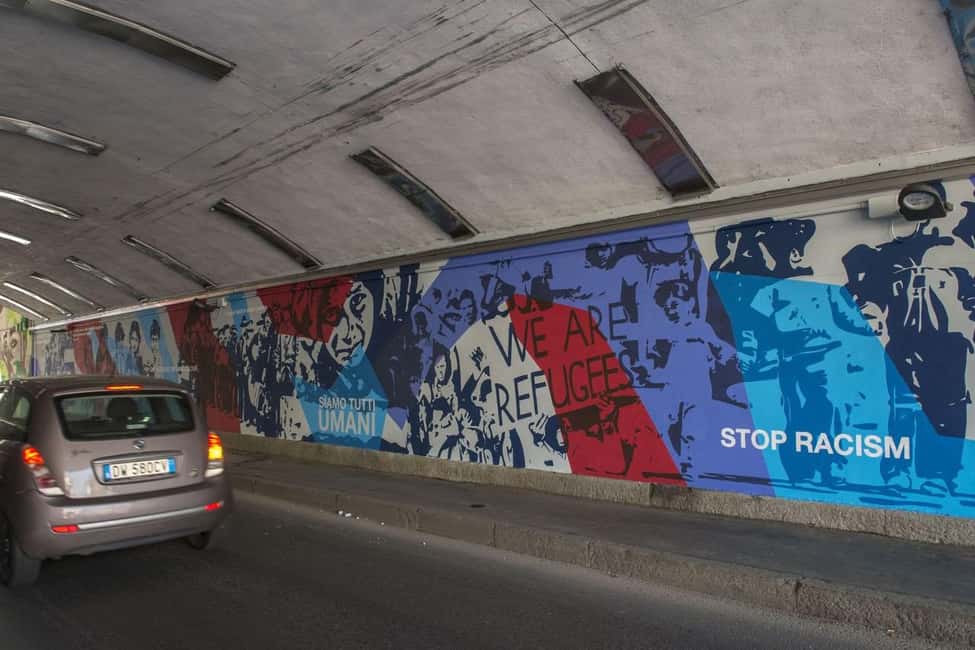
What makes these murals hit harder is that they come with stories you can track as you walk. The tour frames street art as a social tool, so the explanations tend to connect to history, identity, and what a neighborhood needs next.
As you move through Ortica, you may hear about storylines such as:
- anti-fascist partisans
- jazz legends
- factory workers
- feminist icons
You’ll also learn how street art evolved from underground rebellion into a recognized cultural form. The guide’s role is to help you spot the difference between eras and approaches—how style changes, how technique changes, and how messaging changes when graffiti becomes public art.
If you’ve ever looked at a mural and wondered why a certain symbol, color, or figure was used, this kind of explanation is the payoff. You don’t have to become an art critic. You just start seeing the thinking behind the paint.
Learning street art history in real places, not in a lecture hall
Street art changes fast, and the tour treats it as a living language. You’ll hear about the history, origins, present, and future of street art, and you’ll connect that to what you’re seeing on the walls.
The guide doesn’t only talk about the murals as finished products. You’ll also get insight into:
- the techniques and styles used by today’s street artists
- how styles reflect cultural shifts
- how the same medium can communicate resistance, celebration, or memory
That’s valuable for you because street art is one of those things where casual looking often misses the point. With the context, the neighborhood reads differently. Colors feel intentional. Figures feel chosen for a reason. Even the wall placement starts to make sense.
And because Ortica was once isolated and somewhat forgotten, you get a clear cause-and-effect story. Public art is presented here as a neighborhood transformation engine—turning a place that didn’t get attention into one that people actually seek out.
You can also read our reviews of more tours and experiences in Milan
How the guide experience can make or break the tour
A street art tour lives and dies by its guide. You want someone who can point to details and also explain why those details matter.
Recent groups praised the guides for exactly that. Lucy was described as excellent—professional and genuinely enthusiastic. Luca was praised for being informative and easy to chat with. That’s a good combo: you get both structure and human warmth.
Also, the group is kept small—limited to 8 participants. That helps you ask questions without shouting, and it helps the guide keep an eye on everyone while you’re walking through backstreets and alleys.
This tour is in English, so you should expect clear communication throughout.
Price and value: $49 for a guided storytelling walk
At $49 per person for a 2-hour walk, you’re paying for three things: guided interpretation, a tight route, and access to a neighborhood you might not explore on your own.
Is it expensive compared to a self-guided stroll? Sure. If you’re only chasing pretty photos, you can do it alone.
But if you want the real value—knowing what you’re looking at and hearing why it matters—the price starts to feel fair. The guide’s job is not just pointing. It’s connecting murals to themes like political memory, community involvement, and the evolution of graffiti into a recognized cultural form. That kind of context is hard to replicate without a local.
The fact that the tour is small-group also supports the value. You’re not getting packed into a big group where questions disappear.
What to do (and not do) while photographing in Ortica
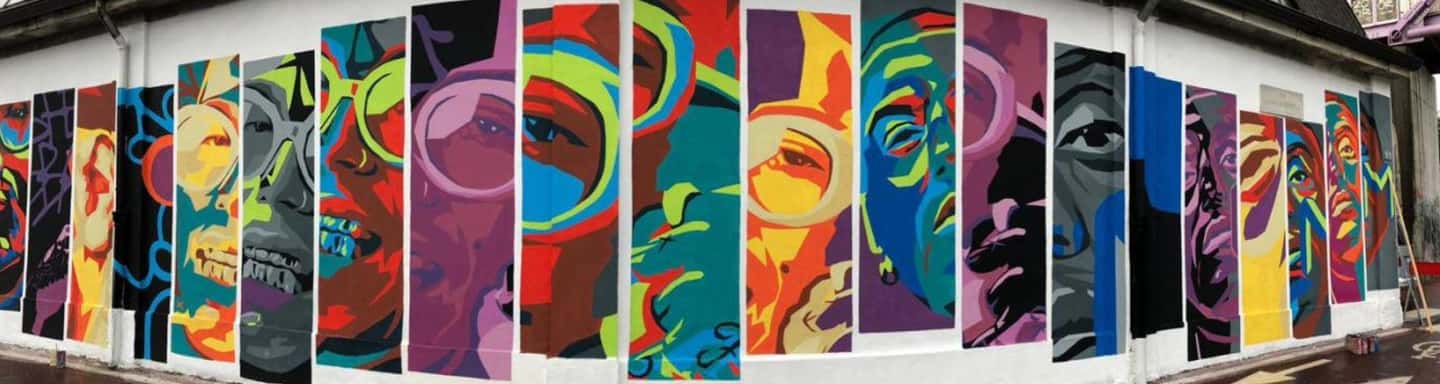
Photography is encouraged, but you’re in a real neighborhood, not a theme park. The tour highlights the need to respect both the art and the surrounding community.
Practical advice you can follow:
- Bring a camera plan. Shoot wide views at the photo stops, then switch to close-ups when you get free time.
- Wear comfortable shoes. Ortica is best seen on foot, and you’ll be walking for the full tour.
- Check the weather. The tour can be rescheduled if conditions are bad, so don’t assume it will run no matter what.
- When you stop, stand with care. Don’t block foot traffic, and keep movement smooth for the group.
The good news: because there are dedicated photo moments—including the final viewpoint stop—you’re not stuck trying to photograph everything while walking.
Who should book this Milan street art tour?
This experience fits best if you:
- care about street art as culture, not just decoration
- want a short, guided route through a neighborhood known for murals
- like learning the story behind public art—who made it, why it was made, and what it tries to change
- enjoy walking tours but don’t want a half-day commitment
It’s also a solid choice if you’re traveling with someone who enjoys different things: one person can focus on visuals, while the other can focus on the history and meaning you’ll hear from the guide.
If you’re the kind of visitor who needs the most wall-to-wall murals possible in a single session, consider that the tour is curated for quality and story over quantity.
Should you book it?
Yes, I think it’s a strong booking if your goal is to understand Ortica’s street art rather than just pass by it. The biggest reason: you get guided interpretation tied directly to the Or.Me. Project and the neighborhood’s transformation story. That turns a quick walk into something you’ll remember, especially when you start spotting themes—workers, activists, musicians, forgotten figures—mapped onto real walls.
Book it if you’re excited by the idea that street art can reshape how a district is seen. Skip it (or pair it with extra self-guided time) if your main goal is to photograph as many murals as possible with zero explanation.
FAQ
Where is the meeting point for the Ortica street art tour?
The meeting point is outside metro stop Argonne (line 4). The guide will be there with the agency logo.
How long is the tour?
The tour lasts 2 hours.
What language is the guide speaking?
The live tour guide speaks English.
How big is the group?
The tour is a small group, limited to 8 participants.
Is the tour wheelchair accessible?
Yes, the tour is wheelchair accessible.
What’s included and what’s not?
Included: a guided tour of Ortica’s street art, insights into the history and culture of street art, and exploration of Milan’s first open-air museum district. Not included: transportation to/from the activity and food and drinks.