REVIEW · MILAN
Fun Wine Tasting with the most italian Sommelier in Milan
Book on Viator →Bookable on Viator
Prosecco labels start making sense fast. In a cozy Milan restaurant, you get guided tastings led by an Italian sommelier, focused on Italian sparkling wines like Prosecco and Valdobbiadene, with the goal of helping you taste with more confidence. I like the way this experience zeroes in on real-world differences you can spot in a glass, especially Prosecco Brut vs Dry, and how it connects style to grape basics like Glera.
The main thing to watch is the format: it is about 2 hours and includes 3 wine tastings. If you want a super-long, food-heavy night or lots of different pours, this will feel focused rather than sprawling.
In This Review
- Key things worth showing up for
- A Milan wine tasting that actually teaches your palate
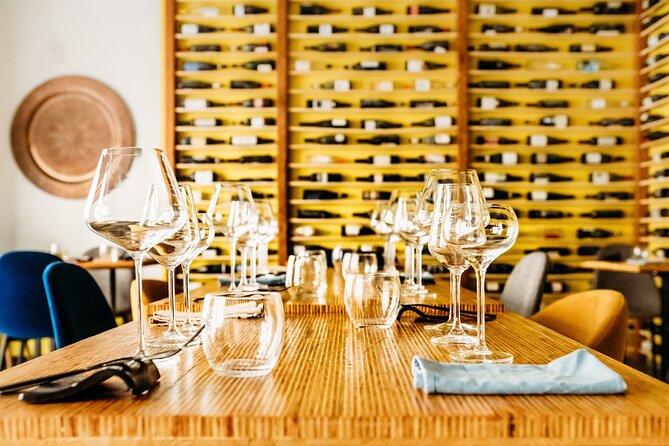
- Where the evening starts: a proper restaurant setup
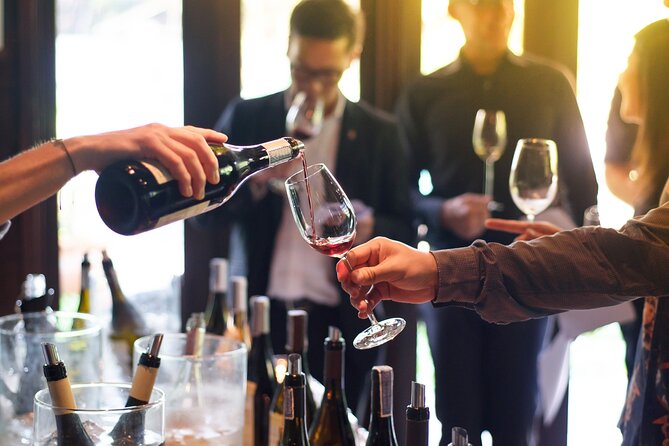
- The core of the experience: 3 tastings, guided like a lesson
- Prosecco Brut vs Dry: why that word choice matters
- Valdobbiadene vs Cartizze: going from region talk to taste talk
- Glera grape basics: the foundation behind the sparkle
- How to taste like a sommelier (without pretending you’re one)
- Small group energy: the friendly-host factor matters
- Price and value in Milan: $79.52 for 2 hours and 3 tastings
- Who this tasting suits best
- Should you book Fun Wine Tasting with the Most Italian Sommelier in Milan?
- FAQ
- How long is the wine tasting in Milan?
- What’s included in the price?
- Where does the experience start?
- How many people are in the group?
- Is it only for adults?
- Can I get a full refund if I cancel?
Key things worth showing up for
- Brut vs Dry decoded so the label wording stops confusing you
- Valdobbiadene vs Cartizze explained in plain, practical terms
- Sweetness levels matter and you learn to taste that impact, not just memorize it
- Glera grape focus so you know what to look for in Italian sparkling
- Sommelier-style tasting tips you can use again back home
A Milan wine tasting that actually teaches your palate
Milan is not just for fashion and espresso stops. It also has real wine culture, and this tasting is a good example: you sit down, taste, and get taught how to read what’s in your glass. The promise here is simple. In about two hours, you should leave with a clearer sense of Italian sparkling wines—especially Prosecco—and a better idea of why wines taste the way they do.
What I like most is the structure. You are not just handed a glass and sent off to guess. The session is designed around specific questions you will actually ask while shopping or ordering later. What’s the difference between a Prosecco Brut and a Prosecco Dry? What’s the difference between Valdobbiadene and Cartizze? Which grape is behind so much of the sparkle? Those are the kinds of questions that make wine tasting feel useful instead of random.
Another strong point is how small it stays. With a maximum of 12 travelers, the tasting has room for questions and back-and-forth. That matters because good wine education is interactive. Even if you are not a wine nerd, you can still ask, compare, and learn what you personally notice.
You can also read our reviews of more food & drink experiences in Milan
Where the evening starts: a proper restaurant setup

The tasting meets at Via Giuseppe Sirtori, 6 in Milan, and it ends back at the same meeting point. That matters because you are not doing a hopping tour of multiple venues. You are settling in, taking your time with the pours, and letting the sommelier build a story step by step.
You’ll get a mobile ticket, and the meeting point is near public transportation. Service animals are allowed, which is always a helpful practical detail when you’re planning around how you’ll move through the city.
The session is also clearly set up for adults and legal drinking age only. If your group includes anyone underage, this one will not work for them.
The core of the experience: 3 tastings, guided like a lesson
This is built around 3 fine wine tastings. Each one is part of the bigger goal: you learn to spot differences in Italian sparkling and understand what the label and grape choices are trying to tell you.
In a typical guided session like this, the sommelier’s job is to turn tasting into something you can repeat. Not just taste once, enjoy, and forget. Instead, you learn what to look for—how sweetness levels change the impression of the wine, how classification terms connect to flavor, and how to compare one style to the next without guessing.
It’s especially useful that the tasting targets Prosecco and the Prosecco-world categories you will actually see. The course focuses on how sweetness affects taste and classification, which is exactly why “Dry” does not mean the same thing people assume it means in English.
Prosecco Brut vs Dry: why that word choice matters
One of the most practical parts of the evening is the focus on Prosecco Brut vs Dry. These terms are easy to misunderstand when you are shopping quickly or ordering from a menu that is not written for your native language.
Here’s what this kind of explanation is meant to do: teach you to connect label wording to what you feel on your palate. Instead of treating Brut and Dry as fancy terms, you learn what they correspond to in the tasting experience—how sweet the wine reads, how that affects balance, and how you might prefer one style over the other depending on what you’re eating.
If you ever found yourself ordering Prosecco and thinking, I like it, but why is it different from the last bottle, this is the fix. You’re training your senses to detect the style signals. That’s also why this tasting includes tasting tips aimed at building a palate—because you want to carry these comparisons forward, not just enjoy a one-night moment.
Valdobbiadene vs Cartizze: going from region talk to taste talk
The tasting also addresses Valdobbiadene vs Cartizze. Those names show up often in Italian sparkling wine conversations, but they can be vague if you do not know what to listen for in the glass.
The useful part here is that the sommelier doesn’t leave you at “it’s from this place” or “it’s the top level.” The goal is that by the end of the experience, you can answer the difference in a way that relates to how the wine tastes and why it has a specific style.
You are also learning how sweetness levels are tied to classification. That theme ties directly into Valdobbiadene and Cartizze categories. So even if you don’t become an expert overnight, you should feel more confident making sense of what you are pouring and what those labels are trying to communicate.
You can also read our reviews of more wine tours in Milan



Glera grape basics: the foundation behind the sparkle
A huge chunk of this experience is about the grape side of the story, with Glera highlighted as a key player in exceptional Italian sparkling wines.
Why that matters for you: once you know the grape behind a style, you can start spotting patterns. You stop treating each bottle as a brand-new mystery and start seeing the family resemblance. It’s the difference between enjoying a wine and understanding it enough to shop smarter later.
This tasting is specifically designed to help you identify the grape varieties used for these sparkling wines and to build that base knowledge while you’re actually tasting. That pairing—learn while tasting—tends to stick. And it’s one reason the 2-hour time window can feel productive. You are not cramming theory all at once. You’re picking up the vocabulary and matching it to taste right away.
How to taste like a sommelier (without pretending you’re one)
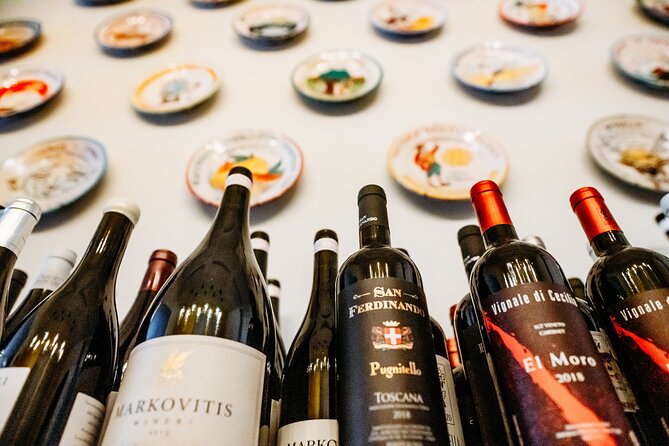
You get expert tips on how to taste wine like a sommelier and develop your palate. I love that framing because it puts the focus on skills, not intimidation.
Even if you’re not chasing a sommelier career, you still need a way to taste that isn’t just, It’s good. A sommelier approach is about using senses in order, noticing differences, and asking better questions as you go. In this tasting, that style of guidance is built in, so you can compare the wines you try and understand what you’re picking up.
One helpful effect of this kind of tasting instruction: it turns your attention outward. Instead of scanning for whether you like it, you start noticing what makes it what it is. Sweetness impressions, balance, and how the wine expresses itself in the glass—these are exactly the kinds of details that become easier once you have a simple method.
Small group energy: the friendly-host factor matters
This is capped at 12 travelers, which is a real advantage. You’re not shouting questions over a loud room. You can actually interact.
Also, the host presence seems to be a big part of what makes the evening work. Il Signor Paolo comes up for friendliness and availability, and the tone described is warm—like you’re with someone who wants you to understand, not just someone reading a script. That kind of approach matters a lot in wine tasting, because the best learning happens when you feel comfortable asking simple questions.
One more thing I appreciate in a format like this: it is designed to help you meet new people. When everyone is tasting and comparing notes, conversations happen naturally. You may come for the wine and leave with a few new friends to argue about Prosecco labels with.
Price and value in Milan: $79.52 for 2 hours and 3 tastings
At $79.52 per person, you’re paying for three main ingredients: expert guidance, guided comparisons, and the wine itself. The duration is about 2 hours and it includes alcoholic beverages with 3 fine wine tastings.
Is it expensive? It can be, if you expected to wander into a bar and sample a couple of glasses on your own. But wine tasting education usually costs more than casual drinking, because someone is doing the teaching and tailoring the flow to your experience.
For value, I’d judge this by what you get out of the session. If you finish the tasting able to answer Brut vs Dry, Valdobbiadene vs Cartizze, and understand what role Glera plays, that’s not just entertainment. That’s a skill you can reuse when you’re shopping wine in Italy or anywhere you travel next.
And because it is a small group, you should feel like more of that fee goes toward the experience, not toward crowd control.
Who this tasting suits best
This one is a strong fit if you’re:
- Curious about Italian sparkling wine and want your questions answered in plain language
- The type who buys bottles but struggles with label terms
- Traveling with friends and would like an easy, social evening activity
It may not be your best match if you:
- Want a long multi-course food pairing experience (the plan you get here is centered on tastings)
- Expect a massive variety of wines beyond the Prosecco-focused theme
Should you book Fun Wine Tasting with the Most Italian Sommelier in Milan?
If you like the idea of learning while tasting—and you want to walk away able to read Italian sparkling labels with confidence—yes, I’d book it. The best reason is the focus. You get a clear theme (Prosecco and related categories), you get guided comparisons (Brut vs Dry, Valdobbiadene vs Cartizze), and you get tips for tasting like a pro.
If you’re just looking for an easy night out with no teaching component, you might prefer a casual wine bar. But if you want the most Milan version of a smart wine evening—small group, warm hosting, and a real takeaway skill—this is the kind of experience that pays you back every time you order sparkling wine afterward.
FAQ
How long is the wine tasting in Milan?
It lasts about 2 hours.
What’s included in the price?
Alcoholic beverages are included, along with 3 fine wine tastings.
Where does the experience start?
The meeting point is Via Giuseppe Sirtori, 6, 20129 Milano MI, Italy, and it ends back at the same location.
How many people are in the group?
The experience has a maximum of 12 travelers.
Is it only for adults?
Yes. It is designed for an adult audience and is suitable only for people who have reached legal drinking age.
Can I get a full refund if I cancel?
Yes. Free cancellation is available up to 24 hours in advance for a full refund.