REVIEW · MILAN
Milan Coffee & History Crawl with a Licensed Tour Guide
Book on Viator →Bookable on Viator
A great coffee walk turns a map into a story. This Milan crawl pairs classic landmarks with real espresso stops, with licensed guide Maria steering you through how the city’s past and coffee culture connect. I love the included first coffee plus tasting, and I love how the route threads major squares and neighborhoods in a smart, easy-to-follow loop. One watch-out: some big sights along the way may require extra tickets if you want to go inside.
You’re not just marching from one postcard to another. You get practical historical context for what you’re seeing, and you also leave with a short plan for where to grab more coffee after the walk. If you’re expecting a long sit-down meal with tons of tastings, know that extra samples are optional.
The pace is designed for a small group—up to 15 people—and it’s planned to move at walking speed, with short stops for photos and explanations. With outdoor-heavy landmarks like the Duomo area and Teatro alla Scala, you’ll also want decent weather.
In This Review
- Key things to look forward to
- Why this Milan coffee walk makes sense
- Piazza Cordusio start: your bearings and your first taste
- Piazza Mercanti: a Middle-Ages lane you can actually feel
- Royal Palace Milano stop: outside views and an optional extra cost
- Duomo di Milano square: the cathedral and coffee connections
- Teatro alla Scala: Leonardo’s statue and another coffee break
- Galleria Vittorio Emanuele II: where coffee is part of Milan life
- Brera quarter walk: museum-and-garden vibes without pressure
- Price and value: what $84.29 really buys you
- Who this tour is best for (and who should skip it)
- Small-group comfort and how the route feels
- Should you book the Milan Coffee & History Crawl?
- FAQ
- How long is the Milan Coffee & History Crawl?
- Is the tour offered in English?
- What’s included in the price?
- Where does the tour start and where do you finish?
- Are tickets for places like the Royal Palace, Duomo, and Teatro alla Scala included?
- What happens if the weather is poor or I need to cancel?
Key things to look forward to

- First coffee is on the house and you’ll get a free tasting during the walk
- Licensed English guide Maria adds context as you pass each landmark
- A discount after the tour helps you keep the coffee theme going
- Duomo, Scala, and Galleria appear in one efficient route without feeling rushed
- Small group size (max 15) keeps the experience friendly and manageable
- Brera neighborhood walk adds a calmer change of scenery near museums and gardens
Why this Milan coffee walk makes sense
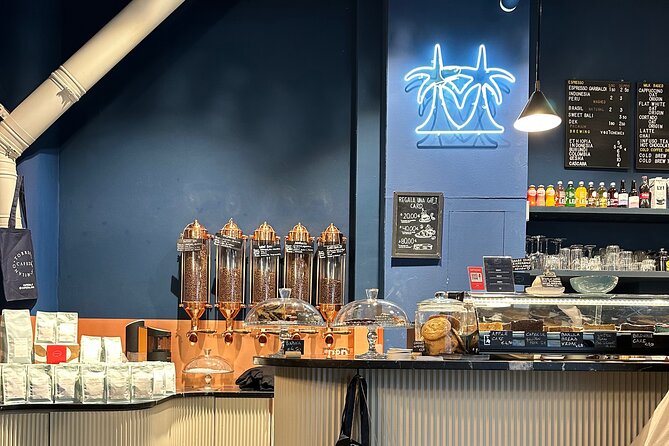
Milan can feel like two cities at once: huge monuments up front, and everyday life happening in courtyards, arcades, and cafés. This tour leans into the second part, using coffee as your thread. That simple idea helps you remember what you saw, because the stops aren’t random—they’re tied to specific places.
The best value is that you’re not paying only for commentary. You’re also getting coffee right away, including a free tasting. And after the walk, you’ll receive a discount to buy coffee at one of the coffee spots—handy if you’re still buzzing from all those flavors and want a second round.
The other thing I like is the pacing. It’s built around short segments—about 10 minutes per highlight—so you keep moving and your brain stays interested. You’ll still have time to look around the squares and absorb the atmosphere.
You can also read our reviews of more guided tours in Milan
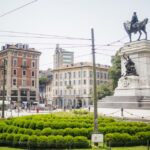
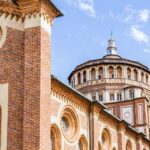
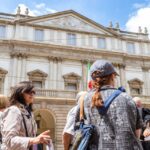
Piazza Cordusio start: your bearings and your first taste
The meet-up point is Piazza Cordusio, right by Palazzo Broggi. This is a great starting choice because it gives you a central anchor fast. Even before you reach the famous stuff, you’re learning how to read the area.
Maria kicks things off with the history of the meeting spot, then guides you toward coffee shops nearby. The first coffee is included, and it sets the tone: this isn’t a museum lecture, it’s a walk where the city smells like coffee as you go. If you’re jet-lagged or still figuring out where you are, this kind of start helps you get oriented without wasting hours.
The only downside to note: because the tour begins with early orientation and then shifts immediately into cafés and squares, it’s not the best option if you’re trying to linger slowly over breakfast. You’ll have moments to pause, but the format favors momentum.
Piazza Mercanti: a Middle-Ages lane you can actually feel
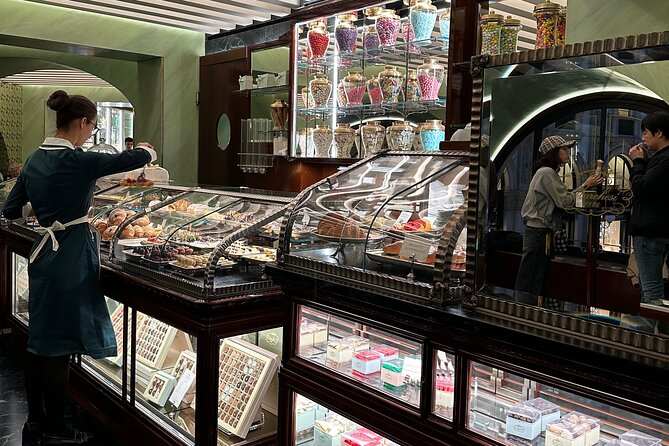
Next comes Piazza Mercanti, where the tour turns toward Milan’s older layers. You’ll get a sense of the city during the Middle Ages, not through vague talk, but through concrete details tied to what you see in the square. This is the part of the walk that rewards people who like to look up and notice the texture of buildings.
The tour also promises a less-noticed detail that many locals ignore. I like this approach because it trains your eyes. Instead of chasing only the obvious sights, you learn to spot the small clues that make a place feel lived-in.
Practical note: squares can be windy or crowded depending on the day. If you’re taking photos, keep your camera ready early so you’re not fumbling when Maria moves you along.
Royal Palace Milano stop: outside views and an optional extra cost
From Piazza Mercanti, the route heads to Royal Palace Milano for a look at the palace’s exterior history. This is a good segment even if you’re not planning to pay for additional access, because the explanation helps you see the building with context, not just as a big facade.
After that, you stop at an historical coffee spot. The first coffee is already included, but this café stop comes with a note that admission isn’t included—so if it includes anything like a paid entry or special access, you’ll likely pay extra if you want the full experience inside. The tour still keeps the coffee theme front and center, though.
This is a smart moment to decide how you want to handle coffee. If you like variety, you can lean into the stop. If you’re already full from the first tasting, you can keep it lighter and enjoy the atmosphere instead of stacking more samples.
Duomo di Milano square: the cathedral and coffee connections
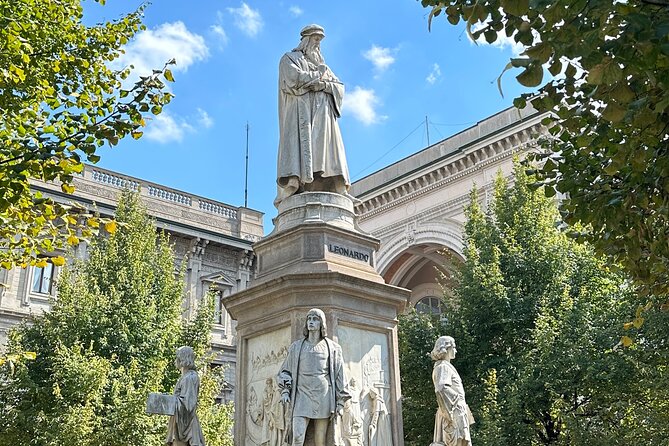
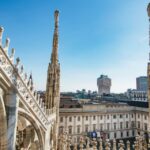
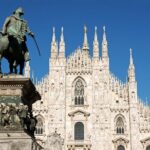
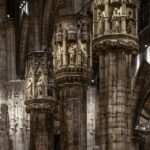
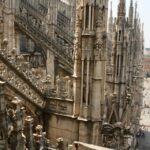
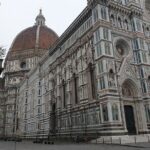
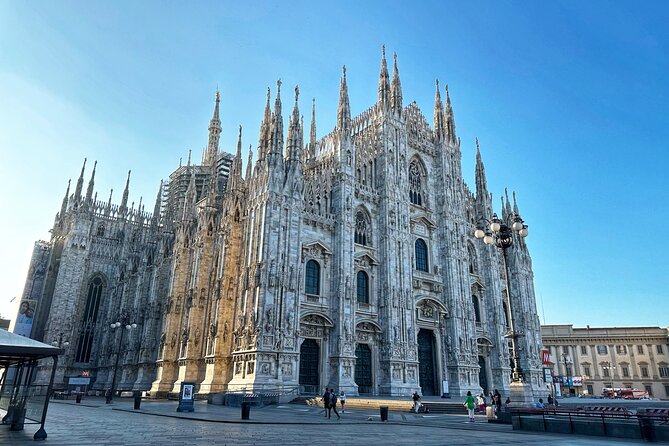
You then reach Duomo di Milano, where you’ll learn the history behind the cathedral and pick up historical facts tied to coffee that happened around the big Duomo square. Even if the Duomo is already on your list, the value here is the linking—how the city’s stories show up in the place people gather.
It’s also a location with strong “people watching” energy. You’ll have time to stand in the square and look around, then connect the visual details to the information Maria shares. That turns a visit from I saw it to I understand what I’m looking at.
Consideration: this stop is outside-focused with context, and admission isn’t included. If you want to go inside the cathedral or add paid viewpoints, plan on extra costs and time.
You can also read our reviews of more historical tours in Milan

Teatro alla Scala: Leonardo’s statue and another coffee break
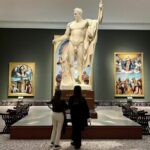
Next up is Teatro alla Scala, viewed from the outside. This matters more than it sounds. Milan’s famous theatres often get reduced to a name, but hearing why the building and the institution matter gives you a real reference point. You’ll also notice it’s right next to the statue of Leonardo da Vinci, which adds a nice “Milan in one frame” feeling.
After the exterior segment, the tour takes you to another good coffee spot. This keeps the rhythm consistent: landmark, story, then a cup. It also helps you reset your feet and hands while you keep moving through the city core.
If you care about architecture and city planning, you’ll probably enjoy the theatre stop more than you expect. You’re not going inside, but you are learning how the space functions and why it holds cultural weight.
Galleria Vittorio Emanuele II: where coffee is part of Milan life
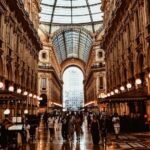
The tour then reaches Galleria Vittorio Emanuele II, one of the most important meeting places in Milan’s past and present. This is where people come to talk, relax, and linger. The tour focuses on what the Milanese do there now—especially enjoying coffee and spritz—and then points out two historical elements you can look for.
I love this stop because it connects “tourist landmark” to “still used by real life.” Even if you’ve seen photos, standing inside the arcade changes how you understand it. The light, the walkways, and the sense of a place designed for strolling all make the coffee breaks feel natural, not forced.
The tour indicates that at this point, admission is free. That means you’re not juggling paid entry while you’re trying to enjoy the space. Use the time to slow down. This is where you’ll want to take a longer look, even if the tour moves on afterward.
Brera quarter walk: museum-and-garden vibes without pressure
After the core landmarks, you head into Brera. This part of the tour shifts the mood. You’ll walk through the quarter and pass the Brera Museum and the botanical garden area. Even without going deep into paid attractions, the walk gives you a different Milan flavor—more neighborhood scale, more wandering energy.
This is a nice closing arc because it helps you avoid the common problem with landmark tours: everything feels like one long sprint. Brera gives you a calmer finish, and it sets you up well for dinner plans afterward.
One thing to consider: this final stretch is described as a walk-by experience for major points. If you want museum entry or deeper garden access, you’ll need to plan that on your own. The tour still helps you know where you are, which is often half the battle in Milan.
Price and value: what $84.29 really buys you
At about $84.29 per person for a 2–3 hour experience, this isn’t an impulse bargain. But for what you get, it’s reasonable—especially in a city where guided walking time and entry costs can add up fast.
Here’s the value breakdown in plain terms:
- Coffee included: the first coffee is on the tour, plus a free coffee tasting
- Guided context: Maria provides historical info tied to each highlight, not generic narration
- Planning help: after the tour, you receive a list of additional suggestions
- Follow-up savings: you get a discount to buy coffee at one of the stops after the crawl
- Logistics kept simple: mobile ticket, English-led, and a small group max of 15
The main thing you might pay extra for is optional extras. Some landmarks have tickets not included, and extra tastings aren’t included either. So your final spend depends on how coffee-enthusiastic you are and whether you choose to go inside certain sites.
If you’re the type who wants to taste a few things and learn what matters, this price can feel fair. If you’re only interested in the landmarks and you don’t care about coffee at all, you might feel the cost more.
Who this tour is best for (and who should skip it)
This works especially well for people who enjoy a blend of city history and food culture. If you like seeing big buildings and then understanding how people lived around them, you’ll get a lot from it. It’s also a solid choice if you want structure without feeling locked into a museum schedule.
I’d steer you toward this tour if:
- You’re visiting Milan for the first time and want an efficient route
- You want to sample coffee culture beyond one random café
- You prefer small groups and a conversational walking pace
I’d skip it or adjust expectations if:
- You’re trying to do a full Duomo or Scala visit during the same time window without extra planning
- You want a long food crawl with many tastings, not just the included ones
- You don’t like walking around outdoor landmarks in changing weather
Small-group comfort and how the route feels
With a maximum of 15 people, the experience stays personal. That matters because you’re moving in and out of squares and cafés, where a larger group can feel chaotic. Small numbers also help when Maria points out details and keeps the pace steady.
The tour duration of about 2–3 hours is another plus. It’s long enough to feel like a real experience, but short enough that you can still do other things after. And since it’s near public transportation, you can easily plug it into the rest of your Milan day.
One practical note: you’re likely to do a fair amount of walking and standing for photo moments. If you come prepared with comfortable shoes, you’ll enjoy the coffee stops even more because your body isn’t paying for the sightseeing.
Should you book the Milan Coffee & History Crawl?
I think this is a strong buy if you want something more grounded than a standard highlights walk. The combo of coffee tastings, short history context, and a route through Duomo, Scala, and Galleria makes it feel efficient and memorable. Plus, guide Maria’s style—professional and clearly passionate—comes through in how the tour stays focused and enjoyable.
Book it if you’re open to tasting and learning, and you like the idea of ending with a calmer neighborhood stroll in Brera. Pass or look for another option if you want mostly indoor attractions or you’re not interested in coffee culture at all.
If you do book, plan to take it as the start of your coffee day, not the whole coffee story. After the tour, use the discount and keep exploring on your own pace—Milan rewards that kind of follow-through.
FAQ
How long is the Milan Coffee & History Crawl?
It runs about 2 to 3 hours.
Is the tour offered in English?
Yes, it’s offered in English.
What’s included in the price?
The first coffee is included, along with a free coffee tasting. You’ll also get a discount for coffee at one of the spots after the tour, plus historical info about the highlights of Milan and a list of additional suggestions after the tour.
Where does the tour start and where do you finish?
The tour starts in Piazza Cordusio and finishes at Via Solferino, at the last coffee shop.
Are tickets for places like the Royal Palace, Duomo, and Teatro alla Scala included?
Admission tickets are not included for the Royal Palace Milano, Duomo di Milano, and Teatro alla Scala stops.
What happens if the weather is poor or I need to cancel?
The experience requires good weather. If it’s canceled due to poor weather, you’ll be offered a different date or a full refund. You can cancel up to 24 hours in advance for a full refund.