REVIEW · MILAN
Milan: Fresh Pasta and Tiramisù Class in A Historical Home
Book on GetYourGuide →Operated by Cooking Class in Italy · Bookable on GetYourGuide
Cooking in an art-filled Milan home feels special. In three hours, you’ll make fresh pasta from scratch and build classic tiramisù, all in a historic interior that looks like a mini museum. It’s hands-on, social, and very Milan in the best way.
I especially liked two things: first, the practical skill-building. You’re not just watching, you’re rolling dough, shaping ravioli, and learning how the final dish comes together. Second, the family feel really comes through, with rotating chefs and hosts such as Caterina (Bruna’s granddaughter) and Federico/Fred who keep the room laughing and moving.
One thing to consider: this is a true class, not a slow dinner. It lasts 3 hours and it’s not suitable for children under 8, so if you want a low-effort food stop, you might find the pace a touch intense.
In This Review
- Key highlights you’ll remember
- Finding Via Dezza 47: Getting to the class near Duomo
- The 3-hour rhythm: what actually happens during the class
- Making tagliatelle with tomato sauce: the comfort-food skill
- Ravioli with butter and sage: where the precision shows up
- Tiramisù the classic way: setting it right, then eating it
- The house setting: art, antiques, and a calmer kind of Milan
- Drinks, portion reality, and what you should plan to eat
- Price and value at $84.96 per person
- Who this class fits best (and who might not love it)
- Should you book this Milan pasta and tiramisù class?
- FAQ
- How long is the Milan class?
- What dishes will I learn to make?
- Is the class taught in English?
- What’s included with the ticket price?
- Do I get the recipes after the class?
- Is there an option for gluten-free guests?
- Where is the meeting point, and how do I get there?
Key highlights you’ll remember
- Hands-on pasta + tiramisù: tagliatelle and ravioli from scratch, plus classic tiramisù you make yourself
- A historical home with serious art: 16th-century-style paintings and antique furnishings that feel museum-grade
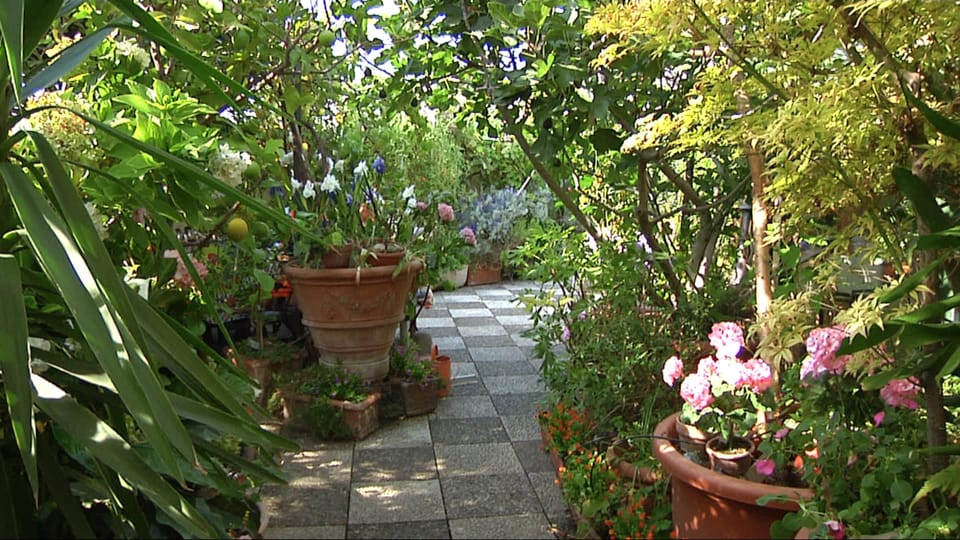
- Limoncello with terrace lemons: you get a taste made from lemons grown at the house
- Real meal included: tagliatelle with tomato sauce, ravioli with butter and sage, plus tiramisù
- Recipes sent by email: a booklet arrives after the class so you can actually repeat it at home
Finding Via Dezza 47: Getting to the class near Duomo
The meeting point is simple, and you’ll want to treat it like a real appointment: Via Dezza 47, Milan. This is not a multi-city experience, and the location matters because it’s the setting that makes the class special.
You can reach the house quickly by metro. The easiest stop is Coni Zugna – Via Foppa on the blue line, with an escalator exit and it’s about 20 meters from the address. If you’re coming via the green line, Sant’Agostino is around 500 meters away.
From Duomo Square, plan on about 20 minutes walking. It’s a convenient route for the start of your night in Milan, and the area is described as safe for evening strolling (right up until around 1 am). Still, do yourself a favor: wear comfortable shoes and keep your phone charged for the last few turns.
Before you go inside, follow the house rules. Bring comfortable clothes, a camera, and biodegradable insect repellent. Don’t show up with a backpack, and note that smoking indoors isn’t allowed.
You can also read our reviews of more historical tours in Milan


The 3-hour rhythm: what actually happens during the class
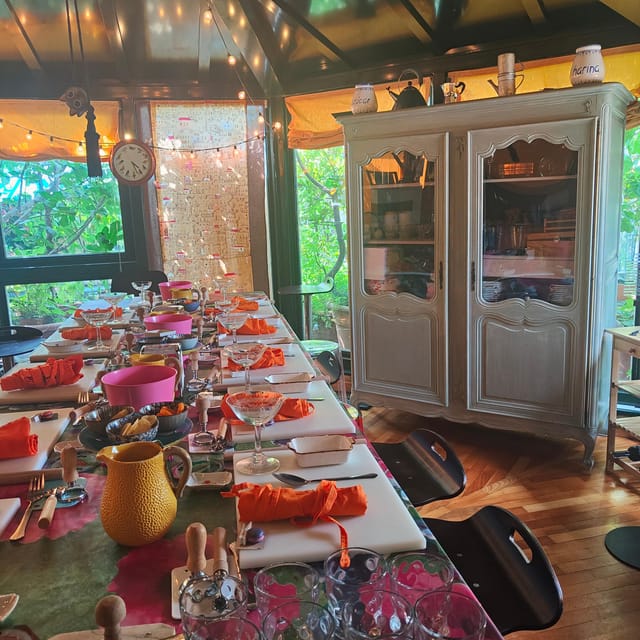
The format is built around one goal: you leave with pasta-making skills, not just a full stomach. You’ll cook in English (and they also speak other languages), so you can join confidently even if your Italian is still in progress.
The timing follows a logical flow. Tiramisù is made as part of the session, and at least one part of the process happens early so it can set properly. One past class described tiramisù being handled first and then placed in a freezer quickly, with the pasta-making happening after.
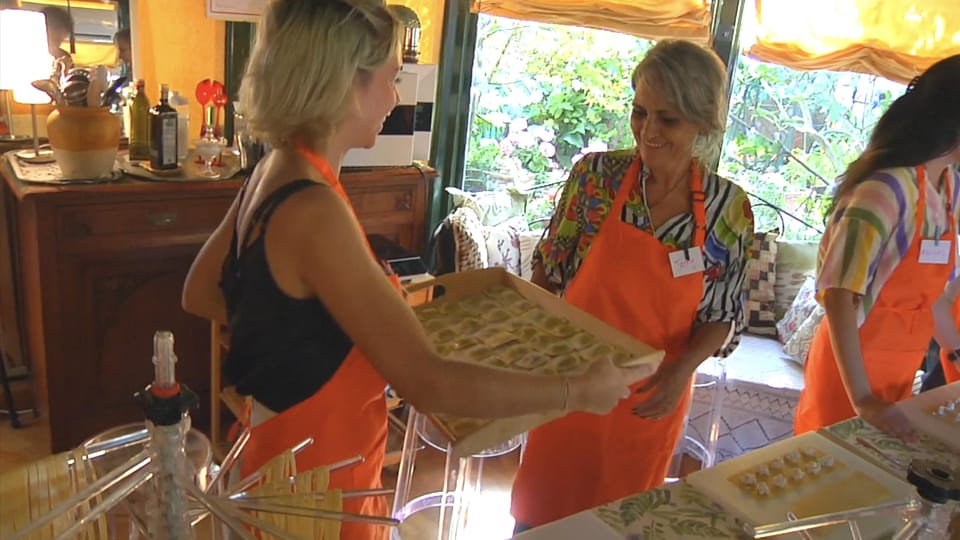
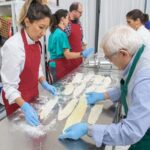
Then comes the real fun: you’ll make two kinds of pasta from scratch. You’ll learn tagliatelle and ravioli techniques and how to bring them to the table with classic sauces. All the tools and aprons are provided, and the setup is arranged so you can work without hunting for equipment.
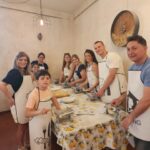
Group size varies by date, but you should expect a lively classroom. Several sessions referenced groups in the high teens (like 17–18 people). That usually means you’ll have a lot of chances to chat and laugh with fellow cooks, not just a quiet, one-on-one lesson.
Making tagliatelle with tomato sauce: the comfort-food skill
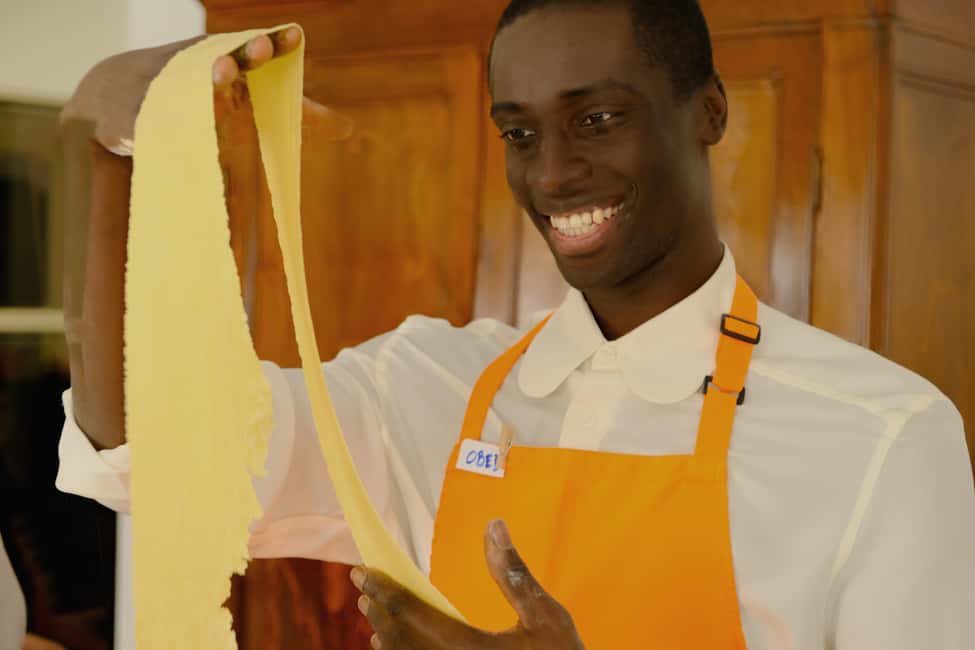
Tagliatelle is the entry point that teaches you the feel of fresh pasta. You’re working with dough from scratch, then shaping it for those classic long ribbons that hold onto sauce.
For me, the value here is not the name tagliatelle. It’s the technique. You’ll learn what the dough should feel like as you handle it, how to portion and work without stress, and how to move from raw dough to something that looks and tastes like Italian home cooking.
You’ll also sit down to what you prepare: tagliatelle with tomato sauce is included as part of the meal. That’s an important detail. Many cooking classes teach skills but don’t always give you a satisfying way to use them. Here, your work becomes part of dinner.
This is also where the pace matters. It’s hands-on, so you’ll spend enough time on the pasta process to actually get the motion down, not just do a single step for photos.
Ravioli with butter and sage: where the precision shows up
Ravioli looks fancy, but the class approach focuses on getting it right in a manageable way. You’ll learn how to work the dough and shape the ravioli so they hold together and cook well.
What you’ll taste is ravioli with butter and sage, included in the meal. That matters because it’s a classic pairing that lets the pasta be the star. Butter and sage is simple on paper, but it works beautifully when the ravioli is cooked properly and the pasta texture has that fresh bite.
Ravioli is the moment when a lot of people realize they can do more than they thought. In the best sessions, the chef keeps instructions clear and watches the whole room, so if your first fold looks a bit imperfect, you’re still progressing.
One detail I like: dietary requests are handled as part of the plan. Gluten-free needs are covered with risotto listed for gluten free, so you can still have a full course experience even if you can’t do the exact same pasta process.
Tiramisù the classic way: setting it right, then eating it
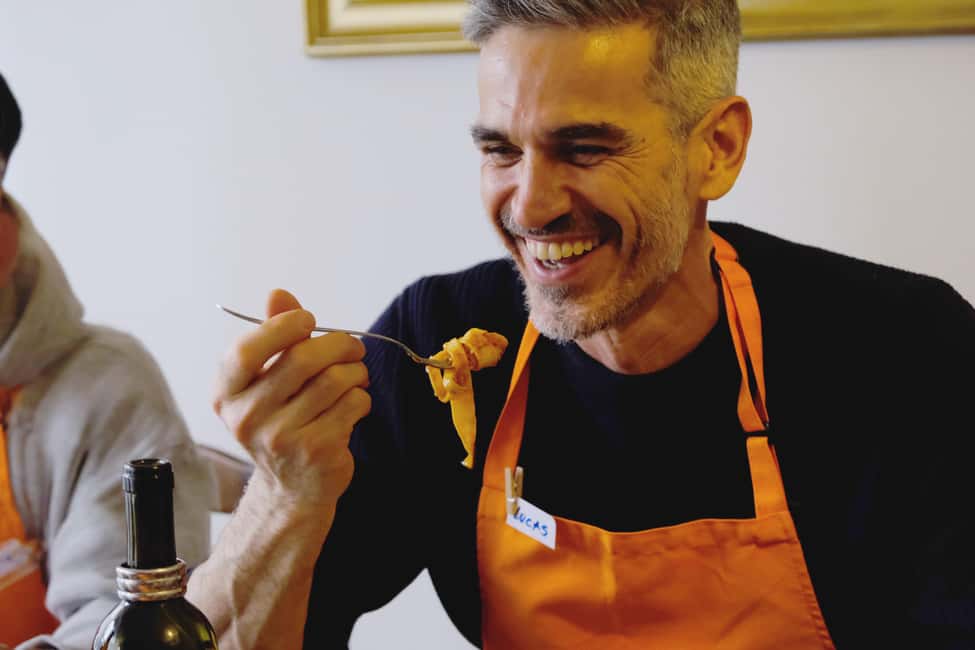
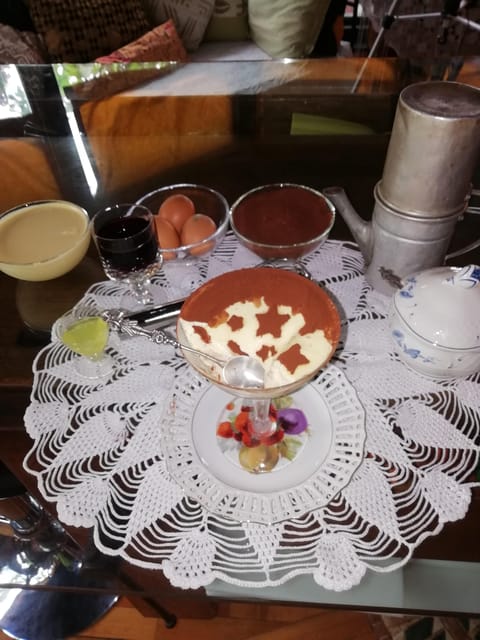
Tiramisù can be one of the easiest desserts to mess up at home. Too much liquid, wrong timing, or serving it before it’s set. This class handles tiramisù as a real skill, not a last-minute shortcut.
You’ll make a traditional tiramisù as part of the 3-hour session, and the process is designed so it’s ready for the meal you share. In at least one past class, tiramisù was started first and put in a freezer quickly, which helps it reach the right texture later on.
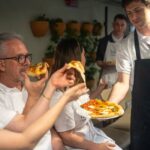
You’ll also get to enjoy what you prepare at the end, alongside the pasta courses. That’s another point of value: the dessert isn’t just an activity. It becomes part of the shared meal.
And yes, there’s an added Milan touch here. You’ll be served limoncello, and at least one class description specifically mentions limoncello made with lemons from the terrace. The pairing makes sense: tiramisù is creamy and sweet, and the lemony bite keeps things from feeling heavy.
You can also read our reviews of more cooking classes in Milan


The house setting: art, antiques, and a calmer kind of Milan
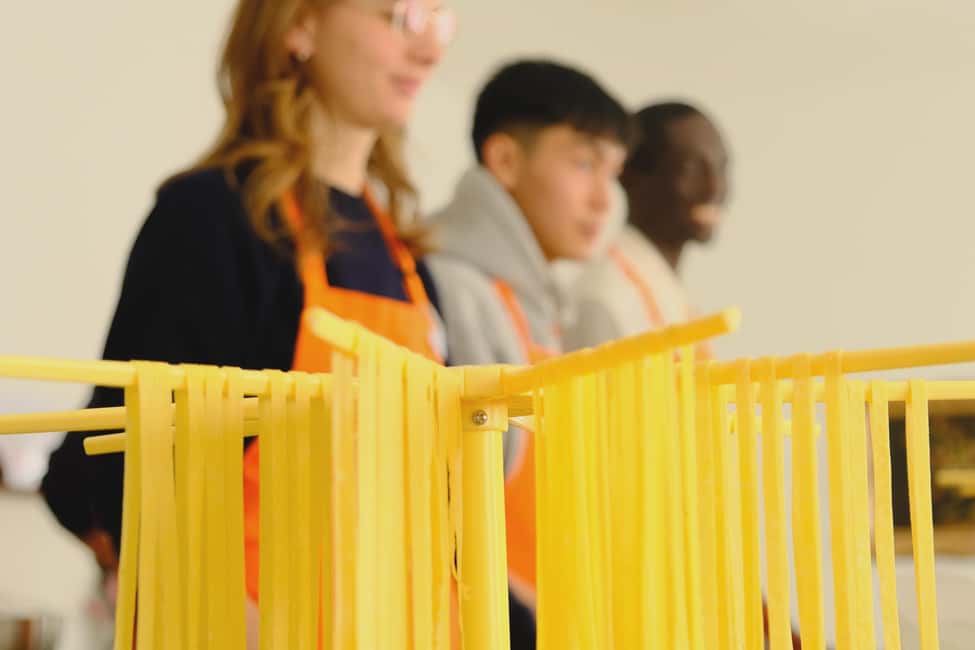
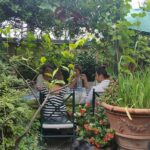
Here’s where this class goes beyond food. You’re invited into an elegant historical home in central Milan, and the rooms are described as full of art paintings and antique furnishings, including pieces said to come from a Palladiana Palace.
This isn’t staged like a showroom. The whole point is that you’re cooking in rooms that look like they belong in a museum. It changes how you feel while you work. You’re focused, but you’re also surrounded by beauty, not fluorescent kitchen lighting and a generic prep space.
Several sessions emphasized how much the home’s artwork and antiques are part of the experience, like you’re stepping into another layer of Milan culture. If you love design, old paintings, and the way Italian houses can hold history in plain sight, this is a major bonus.
It also helps with the pacing. When you’re in a space that feels intentional and cared for, the class doesn’t feel rushed or assembly-line. You’re part of the household rhythm.
Drinks, portion reality, and what you should plan to eat
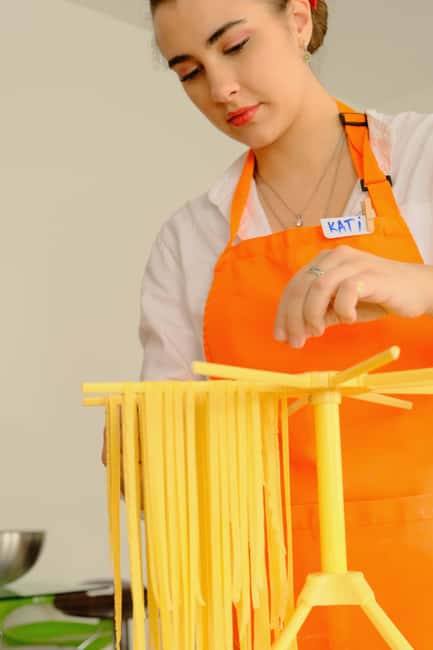
Food is included, and the meal is built from what you make plus what the house serves. Included items are clear: water, a meal with tagliatelle and ravioli, and tiramisù.
For drinks, you get white wine, listed as one-quarter of a bottle per person, or you can choose a soft drink. You’ll also get limoncello. Several instructors were praised for keeping the energy up while still managing timing, so you usually don’t feel like you’re waiting around too long.
One practical note: the class is described as ending back at the meeting point. That means you’re done at a predictable place and time, ideal if you want to continue exploring Duomo area afterward without needing to figure out transportation in a rush.
And if you’re the kind of person who likes to eat well while learning, you’ll likely be happy with the amount. Past sessions described ending with a true pasta feast, not a tiny tasting plate.
Price and value at $84.96 per person
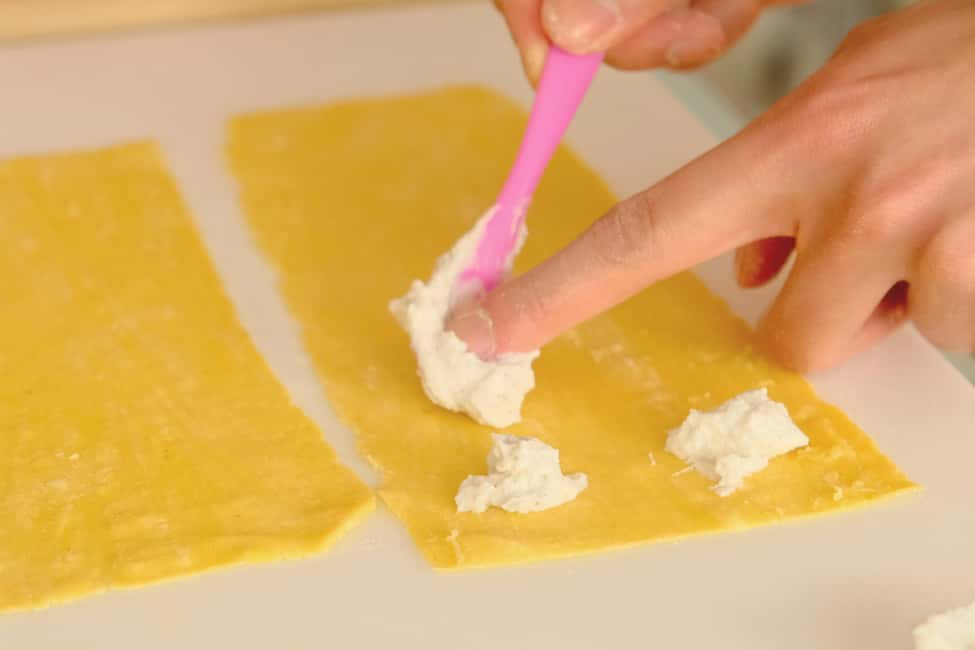
Let’s talk value in plain terms. At $84.96, you’re paying for more than ingredients. You’re paying for a full-course meal, wine or a soft drink, limoncello, and a hands-on class in a historically significant home.
What you get for that price includes:
- Tools and aprons supplied
- The meal: tagliatelle with tomato sauce, ravioli with butter and sage, and tiramisù
- Wine (1/4 bottle per person) or soft drink
- Limoncello plus water
- A recipes booklet sent by email
- Risotto for gluten free
That recipe email thing sounds small until you’re back home trying to reproduce pasta. Here, you’re leaving with instructions you can follow later, which turns the class from a one-night memory into an actual cooking skill.
Also, you’re not paying for a crowd tour. You’re doing a guided activity with an experienced instructor who handles the flow, keeps groups engaged, and helps you succeed. In past sessions, chefs such as Luca and Federico/Fred were repeatedly praised for organization, humor, and managing groups of around 17 people.
If your goal is simply to eat Milanese food, a restaurant meal will be cheaper. But if your goal is to bring something practical home, this price starts to look fair fast.
Who this class fits best (and who might not love it)
This class is a great match if you:
- Want a real skill in 3 hours, not a passive demo
- Like social experiences where you cook alongside others
- Love the idea of Milan beyond fashion streets and museum-ticket lines
- Would enjoy a home setting with antique art and paintings
It’s less ideal if:
- You want a no-effort dinner. This is hands-on. You’ll work.
- You travel with kids under 8. The class is not suitable for that age group.
- You need to bring a backpack or large bag. Those aren’t allowed.
For language, you’re covered. The class is held in English, and the hosts also speak Italian, French, Spanish, Persian, and Hebrew. If you have a language preference, you can request it.
Wheelchair accessibility is included, but the rules specify that non-folding wheelchairs are not allowed. If you use mobility equipment, plan to confirm the right setup with the provider before you go.
In short: this is best for adults, couples, friend groups, and solo travelers who like making dinner rather than just ordering it.
Should you book this Milan pasta and tiramisù class?
Book it if you want a memorable Milan experience that mixes real cooking skills with an unexpectedly beautiful setting. The combination of fresh pasta technique, classic tiramisù, and limoncello served in a historic art-filled home is exactly the kind of experience that sticks.
Skip it if you’re only chasing food and photos and don’t want to knead, shape, and follow a timed class. Also, if you’re traveling with kids under 8, this one isn’t for you.
If you fit the sweet spot, I think you’ll feel like you got more than you paid for: you’ll eat what you make, sip something local, and take home recipes you can use for dinner at home.
FAQ
How long is the Milan class?
The class lasts 3 hours.
What dishes will I learn to make?
You’ll learn how to prepare two types of Italian pasta (tagliatelle and ravioli) and classic Italian tiramisù.
Is the class taught in English?
Yes. The lesson is held in English, and the instructor also speaks Italian, French, Spanish, Persian, and Hebrew.
What’s included with the ticket price?
All tools and aprons are included, along with the meal. You’ll also get white wine (1/4 bottle per person) or a soft drink, limoncello, and water, plus the recipes booklet by email.
Do I get the recipes after the class?
Yes. You receive a booklet by email with the recipes.
Is there an option for gluten-free guests?
Yes. Risotto for gluten free is included.
Where is the meeting point, and how do I get there?
The meeting point is Via Dezza 47, Milan. It’s easiest to reach from the Coni Zugna – Via Foppa subway stop (blue line), or Sant’Agostino (green line).